

When to Call It Finished: Design Completion Tips
One of the most challenging aspects of home renovation and design isn’t starting—it’s knowing when to stop. The excitement of transforming a space can lead to endless tweaking, rearranging, and reconsidering. While attention to detail is important, there comes a time when a project should be considered complete. But how do you know when that moment has arrived? Here are practical tips to help you recognize when your home design is truly finished.
Functionality Is Fully Met
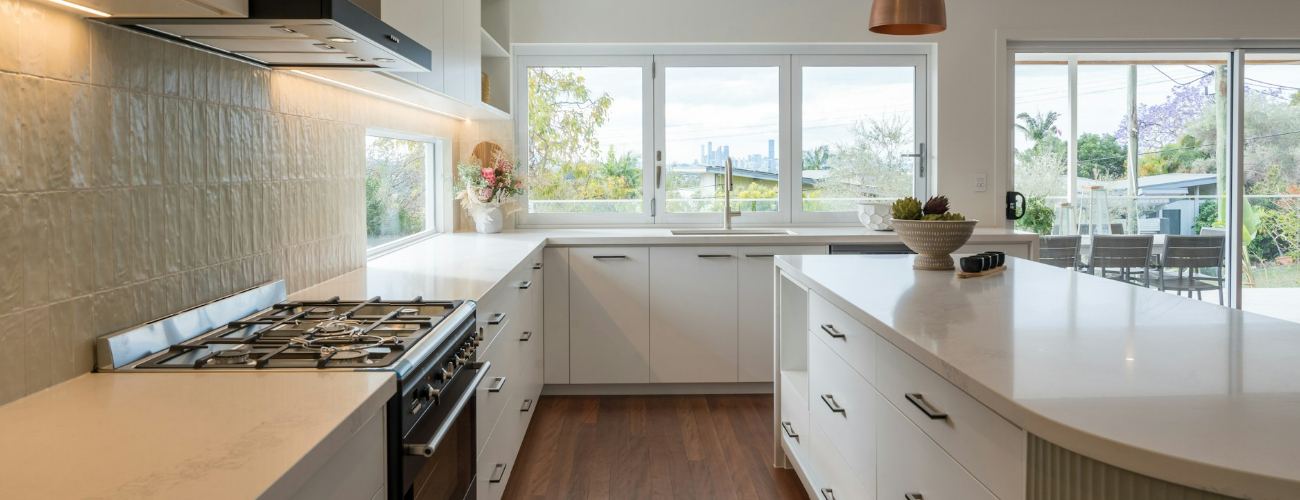
A design is never truly complete until it serves your lifestyle. Have you met all the functional goals of the space? For example, in a kitchen, can you cook efficiently, reach what you need, and store everything comfortably? In a living room, is there enough seating, lighting, and flow for everyday use or entertaining? If the space works well and feels effortless to use, it’s a strong sign your design has achieved its purpose.
The Visual Balance Feels Right
A room is visually complete when the design feels balanced and harmonious. Are the proportions of furniture appropriate? Do the colors, textures, and materials work together cohesively? Take a step back and view the space as a whole. If your eye can travel through the room without being pulled awkwardly in one direction, and nothing feels too empty or crowded, you’re likely done with the visual part of the design.
You’re No Longer Thinking About What’s Missing
If you walk into the room and enjoy being in it without mentally listing what still needs to be changed, replaced, or added, that’s a clear signal you’ve reached completion. The absence of that nagging feeling means the space satisfies both your practical and emotional expectations.
You’ve Stopped Rearranging Items
Do you find yourself constantly adjusting furniture or decor pieces, or frequently swapping out accessories? If so, the space probably isn’t quite finished. But once those impulses fade—and items stay where they are for days or weeks without needing a change—it suggests your design has reached a point of comfort and stability.
Feedback Confirms Your Vision
Sometimes, it helps to get a second opinion. If guests consistently compliment your space, especially without prompting, it’s likely your vision has been effectively realized. While personal satisfaction should be the priority, outside feedback can validate that your design choices are both appealing and successful.
The Space Reflects Your Personality
Your home should feel like a reflection of you. Once a room captures your personal style and preferences—through colors, furniture, artwork, and layout—it no longer needs further improvement. When your home tells your story and feels uniquely yours, the design has done its job.
You Feel Peaceful and Content
A completed space should make you feel relaxed, happy, and inspired. If walking into the room gives you a sense of calm or accomplishment, rather than a mental checklist, it’s probably time to call it finished. That emotional response is often the truest marker of completion.
Conclusion
Declaring a space finished doesn’t mean it’s set in stone forever, but it does mark a point of satisfaction and wholeness. Trust your instincts—when a room works well, looks beautiful, and feels right, it’s done. Resist the urge to over-perfect, and instead enjoy the results of your design journey. In home renovation, sometimes knowing when to stop is the final skill that brings everything together.