

What to Expect When Renovating an Older Home
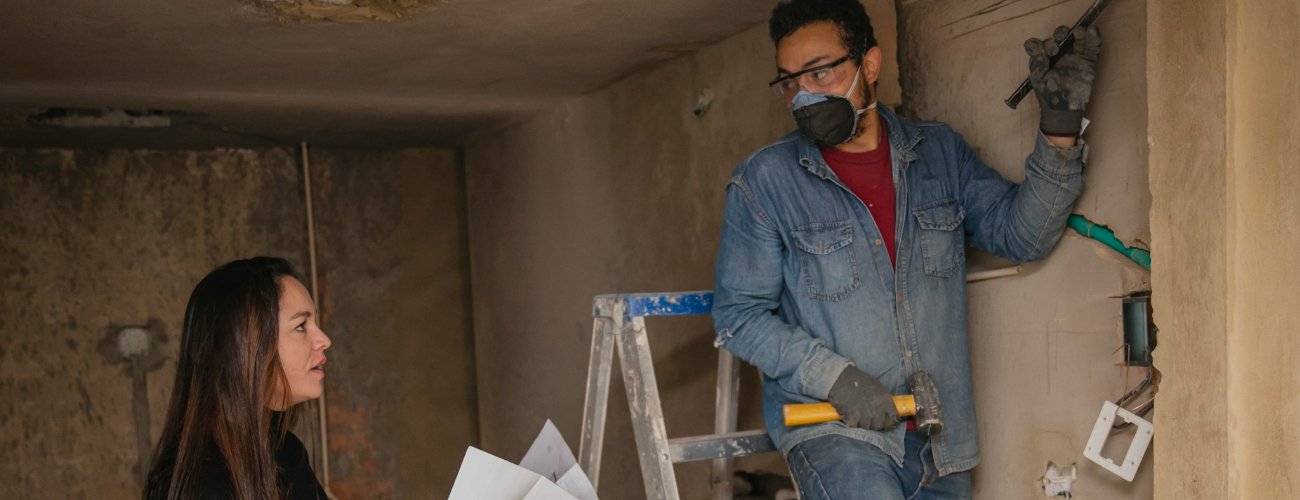
Renovating an older home can be both exciting and challenging. While these homes often have unique charm and historical significance, they also come with hidden surprises that can turn a renovation project into a more complex endeavor than expected. If you’re considering taking on the task of restoring or upgrading an older property, here’s what you can expect and how to navigate the process.
Structural Issues
Older homes, especially those built before modern building codes, may have structural problems that need to be addressed before starting any cosmetic renovations. Over time, foundations can shift, and materials like wood beams and joists can weaken. Common structural issues to look out for include:
- Foundation cracks or settling: These can cause uneven floors and walls, and may require leveling or repair.
- Sagging or uneven floors: This could indicate problems with the joists or beams underneath.
- Old or damaged roof: Roofing materials can wear out, causing leaks or damage to the home’s structure.
Before starting your renovation, it’s essential to have a professional structural inspection to identify any major issues that could affect the stability of the home.
Outdated Electrical and Plumbing Systems
Homes built decades ago often have outdated electrical and plumbing systems that may not meet modern safety standards. These systems may need to be upgraded to handle the increased electrical load of modern appliances and ensure proper water flow.
- Electrical wiring: Many older homes still have outdated wiring, such as knob-and-tube or aluminum wiring, which can be a fire hazard. You may need to replace the wiring to meet current codes.
- Plumbing: Older homes may have galvanized steel pipes, which can corrode over time and cause blockages or leaks. Replacing them with modern materials like copper or PEX is often necessary.
Upgrading these systems can be costly but is essential for safety and functionality. Make sure to budget for these hidden costs when planning your renovation.
Lead Paint and Asbestos
If the home was built before the 1980s, there’s a good chance it contains hazardous materials like lead paint or asbestos. Both of these can pose serious health risks if disturbed during renovation.
- Lead paint: Common in homes built before 1978, lead paint can be harmful, especially to children and pregnant women. It’s important to have the paint tested before sanding or removing it.
- Asbestos: Often found in older insulation, roofing, and flooring materials, asbestos can cause lung disease when its fibers become airborne. If asbestos is present, professional removal is required.
These materials must be handled carefully by professionals, and their removal can add to the overall cost and timeline of your renovation.
Hidden Surprises Behind the Walls
When renovating an older home, it’s common to uncover hidden problems once the walls, floors, or ceilings are opened up. For example:
- Water damage: Leaky pipes or roofs may have caused hidden water damage, leading to mold or rot in wooden structures.
- Old insulation: Many older homes have inadequate or outdated insulation, which can significantly affect energy efficiency.
- Pests: Termites, rodents, and other pests may have caused damage that wasn’t visible until the renovation began.
Be prepared for these surprises and build a contingency budget (typically 10-20% of the total renovation cost) to address unexpected issues.
Preserving Historical Features
One of the biggest advantages of renovating an older home is preserving its character and historical charm. Features like original hardwood floors, ornate moldings, and vintage fixtures can add unique beauty to your home. However, restoring these elements requires special care and attention.
- Refinishing hardwood floors: If your home has original hardwood floors, refinishing them can bring out their natural beauty and maintain the home’s authenticity.
- Restoring original windows: Instead of replacing old windows, consider restoring them. This can maintain the historical integrity of the home while improving energy efficiency with weatherproofing techniques.
- Maintaining architectural details: Crown molding, wainscoting, and built-in features are often worth restoring, as they contribute to the unique character of older homes.
Working with contractors who specialize in historical renovations can help you preserve these elements while ensuring they meet modern standards.
Permits and Code Compliance
Renovating an older home often requires more permits and stricter adherence to local building codes than a new build or modern home renovation. This is especially true if you’re making significant changes to the structure, electrical, or plumbing systems.
- Historic district regulations: If the home is located in a historic district, there may be additional restrictions on the type of renovations allowed, especially when it comes to altering the exterior. Be sure to check with local authorities before making any changes.
- Code updates: Building codes have evolved significantly over the years, and older homes may not be up to current standards. Renovations will need to bring the home into compliance with these codes, which may require additional work or inspections.
Factor in the time and costs associated with obtaining the necessary permits and ensuring that your renovations meet all current codes.
Increased Renovation Costs
Renovating an older home often costs more than renovating a newer property. The combination of outdated systems, structural repairs, and unforeseen issues can drive up the total cost. Additionally, finding materials that match the home’s original style, such as vintage tiles or custom millwork, may require extra effort and expense.
- Specialized contractors: In some cases, you may need to hire contractors who specialize in historical renovations, which can come at a premium.
- Higher material costs: Sourcing period-appropriate materials or custom solutions can be more expensive than standard, modern materials.
Be sure to set a realistic budget and build in a contingency fund to account for unexpected costs.
The Payoff: A Home with Unique Character
Despite the challenges, renovating an older home can be incredibly rewarding. Once the renovations are complete, you’ll have a home with unique charm, character, and history—something that’s difficult to replicate with newer builds. A well-renovated older home can also increase in value, especially if you’ve restored its original features while updating it for modern living.
Conclusion
Renovating an older home comes with its share of challenges, from dealing with structural issues to navigating code compliance. However, with careful planning, a realistic budget, and a team of experienced professionals, you can transform an aging property into a beautiful, functional, and valuable home. The end result is a space that blends history and modern comfort, offering a one-of-a-kind living experience.