

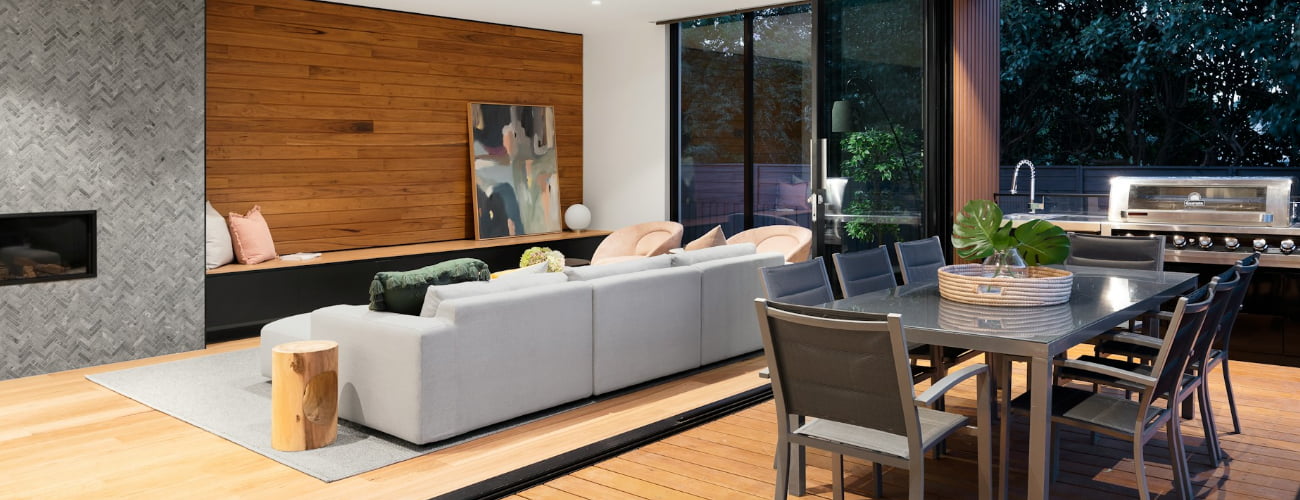
What Reclaimed Wood Can Bring to Your Design
In the realm of interior design, the incorporation of reclaimed wood is a practice that intertwines sustainability with aesthetic richness, offering a narrative depth unmatched by newer materials. This post explores the unique characteristics and benefits reclaimed wood can bring to your design projects, transforming spaces with its inherent beauty and storied past.
The Allure of Authenticity
Reclaimed wood carries the essence of its history, each piece bearing unique marks of its journey—be it from century-old barns, historic warehouses, or long-standing docks. These imperfections, including nail holes, weathering, and variations in color, add a layer of authenticity and character that cannot be replicated by contemporary materials. When incorporated into designs, reclaimed wood introduces an element of rustic charm and warmth, creating spaces that feel both welcoming and imbued with history.
Sustainability and Environmental Impact
Choosing reclaimed wood is a testament to eco-friendly design principles. By repurposing existing materials, you reduce the demand for new lumber, thereby decreasing deforestation and the associated carbon footprint. Moreover, reclaimed wood often comes from species that are now scarce or protected, offering you the opportunity to work with rare woods without harming the environment. Integrating reclaimed wood into your projects not only enhances their aesthetic appeal but also aligns with sustainable living values.
Versatility in Application
The adaptability of reclaimed wood across various design styles is remarkable. Whether you’re aiming for a rustic, industrial, or contemporary look, reclaimed wood can be tailored to fit your vision. It can serve as statement flooring, striking wall panels, unique furniture pieces, or decorative accents. This versatility allows designers to blend history and modernity, creating spaces that are both timeless and relevant.
Durability and Longevity
Reclaimed wood has stood the test of time. The process of aging and exposure to elements often results in wood that is denser and more stable than newly harvested lumber. This resilience makes reclaimed wood an excellent choice for high-traffic areas or furniture pieces, promising longevity and durability. Choosing reclaimed wood not only adds aesthetic value to your design but also ensures that the beauty lasts.
A Story to Tell
Perhaps the most compelling aspect of incorporating reclaimed wood into your designs is the narrative it brings. Each piece tells a story of its origins, adding a layer of depth and intrigue to the space. This historical resonance creates a connection between the past and present, offering a unique experience that enriches the environment and provokes conversation.
Closing Thoughts
Reclaimed wood is more than just a material choice; it’s a design philosophy that celebrates the beauty of imperfection, honors our environmental responsibilities, and cherishes the stories embedded in our surroundings. By choosing reclaimed wood, you not only elevate your design aesthetic but also contribute to a more sustainable and mindful approach to interior design. Whether you’re refurbishing a home, designing a commercial space, or crafting bespoke furniture, reclaimed wood offers a unique blend of history, beauty, and sustainability that can transform any project.