

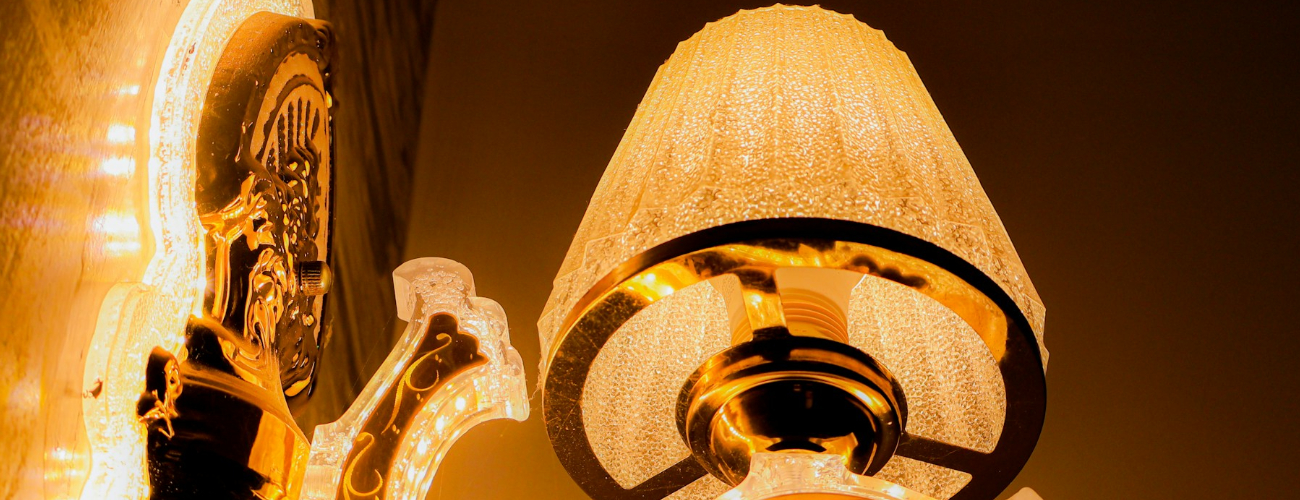
Warm vs. Cool Lighting: Mood & Design Effects
Lighting plays a critical role in shaping the atmosphere of any room. Beyond brightness or fixture design, one subtle but powerful element that often goes overlooked is color temperature—the warmth or coolness of light. Measured in Kelvins (K), color temperature dramatically influences how a space feels, how colors appear, and even how people behave in it. Choosing between warm and cool lighting is not just a matter of taste—it’s a key design decision that affects comfort, functionality, and mood.
Understanding Color Temperature
Color temperature ranges on a spectrum:
- Warm light: 2700K–3000K (soft yellow to amber tones)
- Neutral light: 3500K–4100K (balanced white)
- Cool light: 5000K–6500K (bright white to bluish tones)
Warm lighting mimics the glow of candlelight or early evening sun, while cool lighting resembles daylight or overcast skies. Each type sets a different emotional tone and supports different activities.
Warm Lighting: Comfort and Coziness
Where it works best:
- Living rooms
- Bedrooms
- Dining areas
- Reading nooks
Mood and effect:
Warm lighting creates a relaxed, intimate, and welcoming atmosphere. It softens shadows and enhances wood tones, fabrics, and warmer colors in a room. It’s ideal for spaces where people unwind, socialize, or sleep.
Design Tip:
Use warm bulbs (2700K–3000K) in lamps, sconces, and ambient lighting fixtures to create a cozy, inviting feel. This type of lighting also pairs well with traditional, rustic, or eclectic interiors.
Cool Lighting: Focus and Function
Where it works best:
- Kitchens
- Bathrooms
- Offices or workspaces
- Garages or basements
Mood and effect:
Cool lighting promotes alertness, energy, and focus. It provides greater contrast and mimics daylight, making it ideal for tasks that require clarity, such as cooking, grooming, or reading fine print.
Design Tip:
Choose cool white bulbs (4000K–5000K) for areas that demand function over ambiance. These are especially useful in modern, industrial, or minimalist interiors where clean lines and neutral palettes dominate.
Neutral White Lighting: The Best of Both Worlds
Where it works best:
- Hallways
- Laundry rooms
- Closets
- Bathrooms with natural light
Mood and effect:
Neutral white lighting (around 3500K–4000K) offers a balance between warmth and clarity. It helps maintain color accuracy without being too stark or too yellow. This makes it ideal for transitional spaces or when blending different styles in an open floor plan.
Design Tip:
Use neutral lighting when you want to maintain a consistent look between rooms or avoid clashing with both warm and cool décor elements.
How Lighting Affects Color Perception
Color temperature doesn’t just influence mood—it alters how wall paint, furniture, and flooring appear. For example:
- A warm bulb can make beige or cream walls look richer but may dull blues or grays.
- A cool bulb sharpens whites and cool tones but can make warm-colored rooms feel sterile or washed out.
Before finalizing paint or material selections, test them under the type of lighting planned for the room. Even switching bulb types in the same space can change the entire look and feel.
Layering Light with Different Temperatures
One advanced design technique is layering light sources with varying color temperatures:
- Use warm lighting for overhead fixtures or wall sconces to create ambiance.
- Add cool task lighting under cabinets or on desks for functionality.
- Accent with neutral lighting in hallways or display areas to maintain visual continuity.
Dimmers are also a great tool, allowing you to adjust the warmth or coolness of a room’s lighting throughout the day to match activity and natural light changes.
Smart Bulbs and Adjustable Color Temperatures
Thanks to smart home technology, many LED bulbs now offer adjustable color temperature through apps or voice control. This allows homeowners to fine-tune their environment based on time of day or mood—for example, shifting from bright white in the morning to warm glow in the evening.
Smart lighting is an excellent solution for multipurpose rooms like living-dining combos or home offices that double as relaxation spaces.
Conclusion
Choosing between warm and cool lighting goes far beyond aesthetics—it’s a decision that shapes how people feel and interact within a space. Warm light soothes, cool light energizes, and neutral light balances. By understanding the impact of color temperature and using it intentionally, homeowners and designers can create more comfortable, functional, and emotionally resonant interiors.