

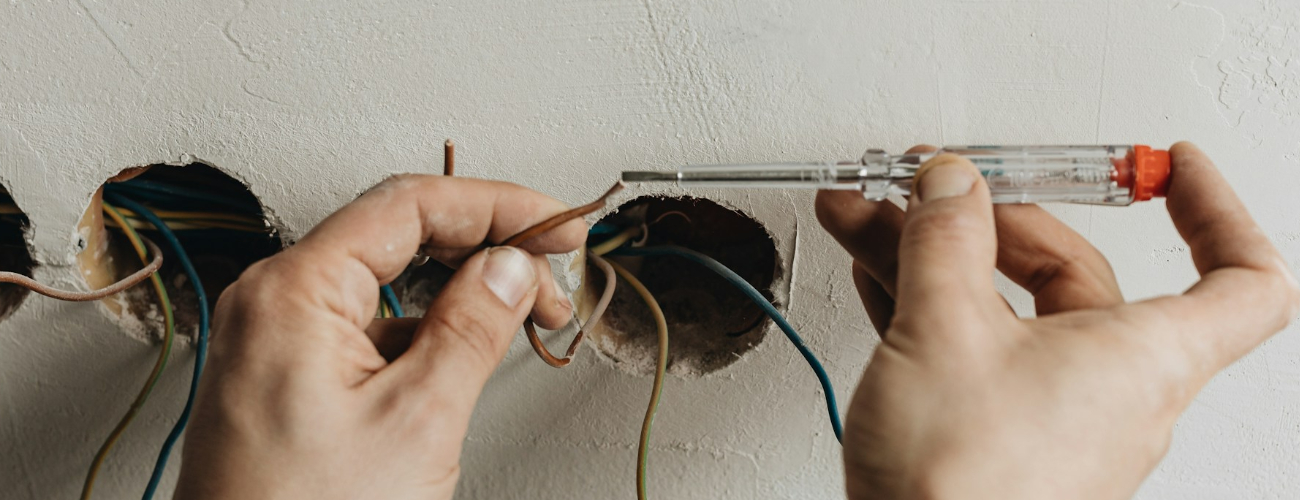
Updating Your Home’s Electrical System During a Renovation
Renovating your home is the perfect opportunity to update outdated systems, and one of the most critical areas to address is your electrical system. Over time, older wiring, insufficient outlets, and outdated fixtures can become safety hazards or simply inadequate for modern living. By updating your electrical system during a renovation, you can improve safety, increase energy efficiency, and future-proof your home for years to come.
Here’s what you need to consider when updating your electrical system during a home renovation.
Assess Your Current Electrical System
Before diving into the renovation, it’s essential to assess the condition of your current electrical system. If your home is older, it may have outdated wiring, such as knob-and-tube or aluminum wiring, which can be a fire risk. Additionally, you may not have enough circuits to handle modern electrical demands, leading to frequent breaker trips.
- Pro Tip: Hire a licensed electrician to inspect your current system and identify areas that need improvement. This will help ensure your home complies with local electrical codes and is safe for future use.
Upgrade the Electrical Panel
One of the most important upgrades you can make is to your electrical panel. Older panels may not have enough capacity to support new appliances, smart devices, and additional outlets. Upgrading to a higher-capacity panel can help prevent overloading and ensure your home is ready for modern electrical needs.
- Pro Tip: Consider upgrading to a 200-amp panel, especially if you’re adding new appliances or planning on future expansions, such as an electric vehicle charging station.
Add More Outlets and USB Ports
With the increasing number of electronics in every home, having enough outlets is essential. During your renovation, take the opportunity to add more outlets, particularly in areas where you plan to use electronics frequently, such as the kitchen, living room, and home office. You may also want to install outlets with built-in USB ports for charging devices.
- Pro Tip: Install outlets with tamper-resistant covers in areas where children play to increase safety.
Install Energy-Efficient Lighting and Appliances
A renovation is a great time to improve your home’s energy efficiency. Replace outdated lighting with LED fixtures and install energy-efficient appliances. These upgrades not only reduce your energy bills but also minimize your carbon footprint.
- Pro Tip: Use dimmer switches in living spaces to control light levels and save energy, while enhancing the ambiance of the room.
Prepare for Smart Home Technology
Many homeowners are turning to smart home technology to increase convenience and energy efficiency. During your renovation, consider wiring your home for future smart devices, including smart thermostats, lighting systems, security cameras, and even automated window treatments.
- Pro Tip: Install a structured wiring system that allows for easier upgrades to your home’s technology in the future.
Ensure Safety with GFCI and AFCI Protection
Ground fault circuit interrupters (GFCI) and arc fault circuit interrupters (AFCI) are essential safety features in any modern home. GFCIs protect against electrical shock in wet areas like bathrooms and kitchens, while AFCIs prevent electrical fires caused by arc faults.
- Pro Tip: Install GFCI outlets in kitchens, bathrooms, and outdoor areas, and make sure AFCI protection is in place throughout the home.
Conclusion
Updating your electrical system during a home renovation not only improves the safety and functionality of your home but also prepares it for modern living. By investing in these upgrades, you’ll have peace of mind knowing that your electrical system can handle today’s demands while enhancing the value and efficiency of your home. Don’t forget to work with a licensed electrician to ensure that all updates meet safety codes and regulations.