

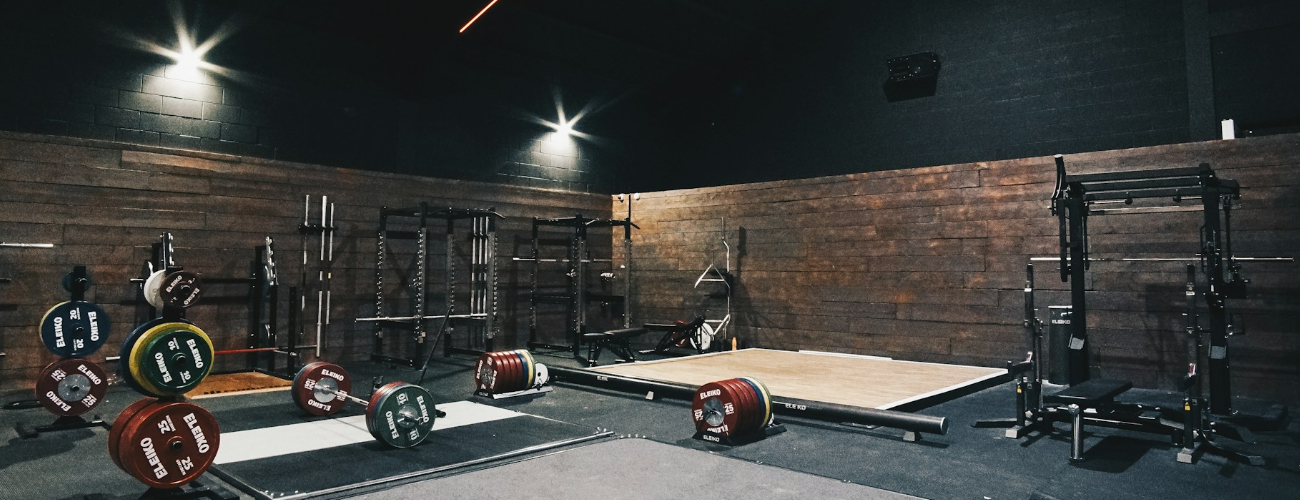
Transforming Your Basement Into a Home Gym: Key Tips
With more people choosing to exercise at home, the basement has become one of the most practical spaces to transform into a private fitness area. A basement gym not only saves time and money on memberships but also provides a convenient, personal environment tailored to your workout needs. However, converting a basement into a gym requires thoughtful planning to ensure the space is safe, functional, and motivating. Here are the key tips to help you create the ultimate home workout zone.
Assess the Space Before Renovating
Start by carefully evaluating your basement’s layout. Look at ceiling height, floor strength, lighting, and ventilation. Some basements have low ceilings, which can limit the types of exercises or equipment you can use. Reinforcing floors may be necessary if you plan to include heavy machines or free weights. Understanding these factors upfront helps you avoid costly changes later.
Address Moisture and Insulation Issues
Basements are prone to dampness, which can damage equipment and create an uncomfortable environment. Before installing gym flooring or equipment, waterproof the space with proper sealing, dehumidifiers, or sump pumps if needed. Adding insulation to walls and ceilings not only regulates temperature but also improves soundproofing, so your workouts won’t disturb the rest of the household.
Choose Durable, Safe Flooring
Flooring is one of the most important aspects of a home gym. Hard concrete can be unsafe and uncomfortable, while carpet traps moisture and odors. Rubber mats, foam tiles, or specialized gym flooring provide cushioning, reduce noise, and protect the floor from heavy weights. Flooring also helps minimize the risk of injuries during intense exercise.
Plan Lighting and Ventilation
A dark, stuffy basement can be demotivating. Bright lighting, such as recessed LED lights or track lighting, creates an energetic atmosphere. If possible, add windows or window wells to bring in natural light. For ventilation, install ceiling fans or a dedicated HVAC system to keep the air fresh and temperature controlled, especially during high-intensity workouts.
Select the Right Equipment
The equipment you choose should fit your space, budget, and fitness goals. Compact machines, foldable benches, or resistance bands are excellent for smaller basements. For larger areas, treadmills, weight racks, or stationary bikes can be added. Always prioritize multi-functional equipment that allows a variety of exercises without overcrowding the room.
Incorporate Storage Solutions
A cluttered basement gym can feel chaotic and unsafe. Wall-mounted racks, shelving, and storage bins keep weights, yoga mats, and accessories organized. This not only frees up floor space but also prevents tripping hazards. Built-in storage or pegboards can add a clean, professional look to your setup.
Add Personal Touches for Motivation
Your basement gym should inspire you to exercise. Adding mirrors makes the space feel larger while allowing you to monitor your form. A sound system or mounted TV can make workouts more engaging. Motivational wall art, bright paint colors, or themed décor can also create an energizing atmosphere.
Think About Safety and Accessibility
Safety should always be a priority. Ensure there are enough outlets for equipment without overloading circuits. Install proper lighting on staircases for safe access. If you’re lifting heavy weights, consider adding safety bars or enlisting a workout partner.
Set a Realistic Budget
While it’s tempting to buy top-of-the-line machines, it’s best to start with essentials and expand over time. Create a budget that includes renovation costs, flooring, lighting, and equipment. This prevents overspending and helps you build a gym that meets your needs without unnecessary extras.
Conclusion
Transforming your basement into a home gym is a smart investment in both your health and your property value. By addressing moisture, ensuring proper flooring and ventilation, and selecting the right equipment, you can create a safe, motivating space for all your workouts. With thoughtful planning, your basement gym will become a long-term solution for staying fit and improving your lifestyle.