

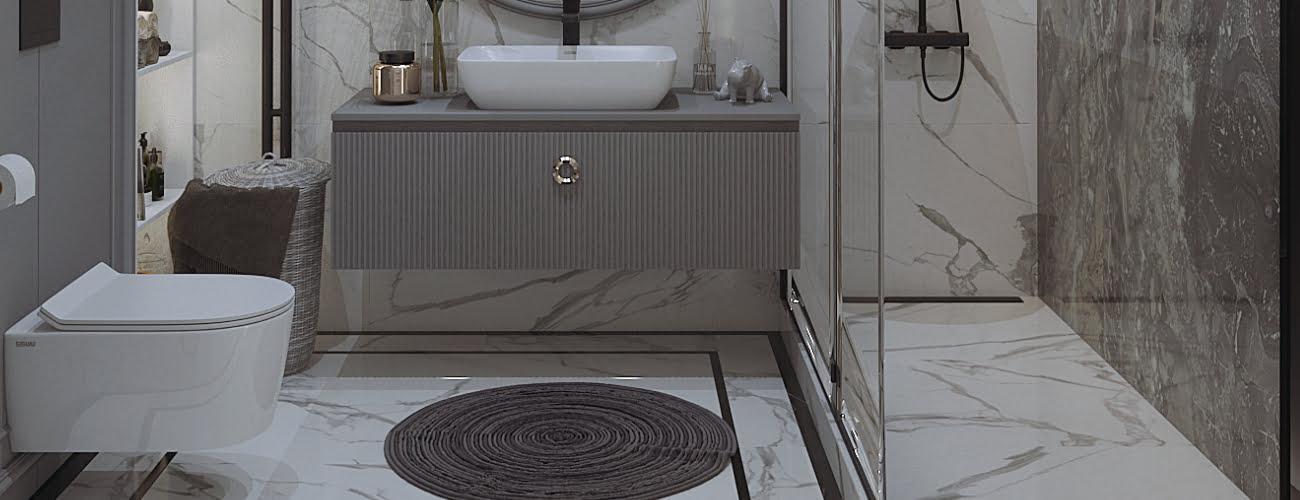
Top 5 Best Flooring Materials for Bathrooms
When it comes to bathroom renovations, choosing the right flooring material is crucial. Not only does your bathroom floor need to withstand high moisture levels and frequent traffic, but it also plays a key role in the overall design of your space. Here are the top 5 best flooring materials for bathrooms, combining both durability and aesthetic appeal.
Porcelain or Ceramic Tile
Porcelain and ceramic tiles top the list for their versatility, durability, and water resistance. Available in a wide range of colors, patterns, and sizes, these tiles can mimic the look of natural stone or wood but at a fraction of the cost. Porcelain, in particular, is known for its superior moisture resistance, making it an ideal choice for bathrooms. Both options are easy to clean and maintain, although grout lines may require regular sealing to prevent staining.
Vinyl Flooring
Vinyl flooring, whether in sheet form, planks, or tiles, has made significant strides in terms of design and technology. It’s highly water-resistant, comfortable underfoot, and provides a non-slip surface—an essential feature for bathroom safety. Luxury vinyl tile (LVT) and luxury vinyl plank (LVP) offer realistic textures and visuals, closely mimicking hardwood or stone flooring. Vinyl is also an affordable option and straightforward to install, making it ideal for DIY enthusiasts.
Natural Stone
For those seeking luxury and durability, natural stone tiles offer unparalleled beauty. Materials like marble, granite, limestone, and slate are popular choices for their unique textures and colors. Stone flooring is durable and, with proper sealing, can withstand bathroom humidity and spills. However, it’s worth noting that natural stone requires more maintenance than other materials and can be on the higher end of the price spectrum.
Engineered Wood
Engineered wood provides the warmth and beauty of real wood without the same susceptibility to water damage. Constructed with a plywood base topped with a hardwood veneer, engineered wood is more stable and moisture-resistant than solid hardwood. This makes it a viable option for bathrooms when you want the hardwood look. However, it’s still wood, which means it requires careful sealing and maintenance to protect against moisture.
Cork Flooring
Cork is an eco-friendly flooring option that brings a unique texture and comfort to bathroom floors. Its natural water resistance, antimicrobial properties, and insulating qualities make it suitable for damp environments. Cork flooring is available in tiles or planks with a variety of finishes. It’s also a great choice for those looking for a warm, soft surface underfoot. Like wood, cork needs to be sealed to protect it from moisture and will require resealing over time to maintain its resistance.
Conclusion
Choosing the right flooring material for your bathroom involves balancing functionality with style. Porcelain or ceramic tiles offer versatility and water resistance, while vinyl flooring provides affordability and ease of installation. Natural stone adds a touch of luxury, engineered wood brings the beauty of hardwood without as much risk, and cork offers an eco-friendly, comfortable alternative. Whatever your preference, selecting one of these top flooring materials can enhance the durability, safety, and aesthetic appeal of your bathroom.