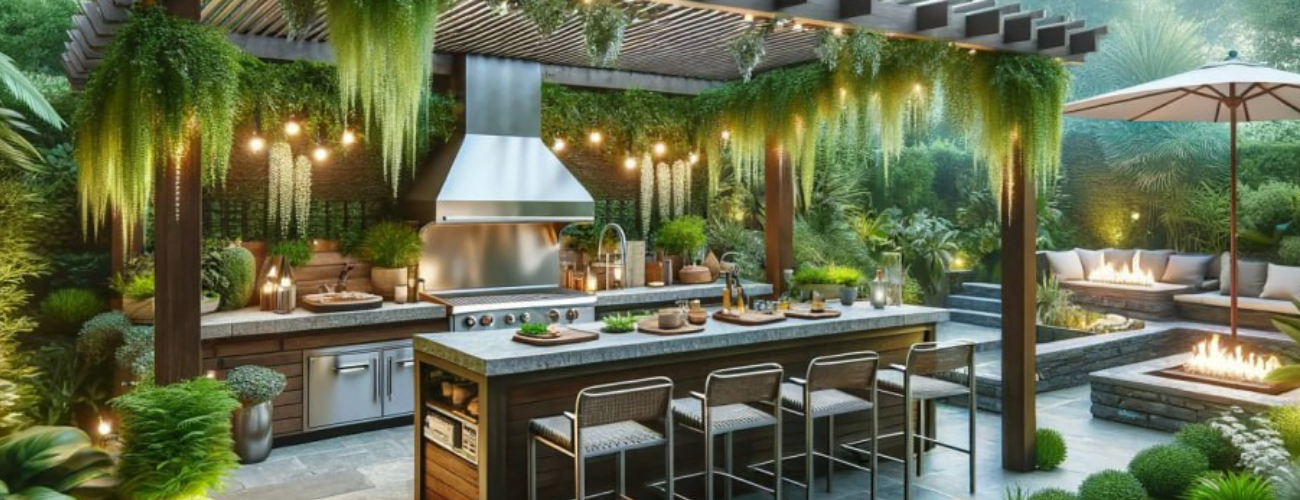
Tips and Ideas for the Perfect Backyard Culinary Space
Creating an outdoor kitchen can transform your backyard into a vibrant space for cooking, entertaining, and relaxing. Whether you’re grilling for a summer barbecue or hosting a garden party, a well-designed outdoor culinary space can enhance your home’s appeal and functionality. Here are some essential tips and creative ideas to help you design the perfect outdoor kitchen.
Planning Your Outdoor Kitchen
- Assess Your Space: Start by evaluating the space you have available. Consider factors like sun exposure, wind patterns, and proximity to your main house. These elements will influence where you place your kitchen and what features you include.
- Define Your Needs: Think about how you plan to use the space. Do you need just a grill and some prep space, or are you envisioning a full-service kitchen with appliances, storage, and seating areas?
- Budget Accordingly: Set a realistic budget. Outdoor kitchens can range from a few thousand dollars for a basic setup to tens of thousands for a fully equipped installation.
Essential Features
- Cooking Appliances: Decide on your main cooking features. A high-quality grill is essential, and you might also consider adding a smoker, a pizza oven, or even a full stovetop. Choose appliances that fit your cooking style and needs.
- Prep and Storage Areas: Include ample countertop space for food preparation and serving. Materials like granite or stainless steel work well outdoors. Don’t forget storage solutions for your cooking utensils, spices, and cleaning supplies.
- Refrigeration: Depending on your cooking style, an outdoor refrigerator or a cooler space might be necessary to keep ingredients and drinks chilled.
- Seating and Dining Areas: Integrate comfortable seating options. You might opt for a bar with stools, a dining table, or lounge areas. Ensure there’s enough room for everyone to move around comfortably.
Design Considerations
- Weatherproofing: Choose materials and finishes that can withstand your local climate. Stainless steel, stone, and treated wood are durable options that resist weather damage.
- Lighting: Good lighting is crucial for evening cooking and entertaining. Consider task lighting over the grill and prep areas and ambient lighting for dining and relaxing zones.
- Shelter and Heating: Incorporate a pergola, awning, or even a full roof to protect against the sun and rain. For cooler climates, consider adding outdoor heaters or a fire pit to extend the usability of the space into cooler months.
Additional Touches
- Entertainment Options: For those who love to entertain, add a sound system, a TV, or outdoor games. These features make the space enjoyable not just for cooking but also as a social hub.
- Decorative Elements: Infuse your personality into the space with decorative touches such as outdoor rugs, pillows, and plants. These elements help blend the kitchen with the rest of your garden or patio.
- Utility Connections: Ensure you have the necessary utilities in place, such as gas, electricity, and water. Professional installation may be required to meet safety standards.
- Sustainability Practices: Consider eco-friendly options like solar-powered lights, a rainwater catchment system for washing dishes, or a compost bin for food waste.
Final Thoughts
An outdoor kitchen is more than just a place to cook—it’s a versatile extension of your home. With careful planning and creative design, you can create a backyard culinary space that not only boosts your home’s value but also enhances your lifestyle, providing a delightful venue for making memories with family and friends. Whether you’re a seasoned chef or a casual weekend griller, the right outdoor kitchen can cater to your culinary adventures under the open sky.