

Three Popular Bathroom Design Styles
The bathroom, often a small but crucial room in your home, has the potential to be a sanctuary of relaxation and personal style. Whether you are planning a full renovation or simply looking to refresh your space, choosing a design style that aligns with your aesthetic preference and functional needs can significantly enhance your bathroom experience. In this detailed post, we explore three popular bathroom design styles: Modern, Traditional, and Rustic. Each style offers unique elements that can transform your bathroom into a stunning and practical retreat.
Modern Bathroom Design: Sleek and Sophisticated
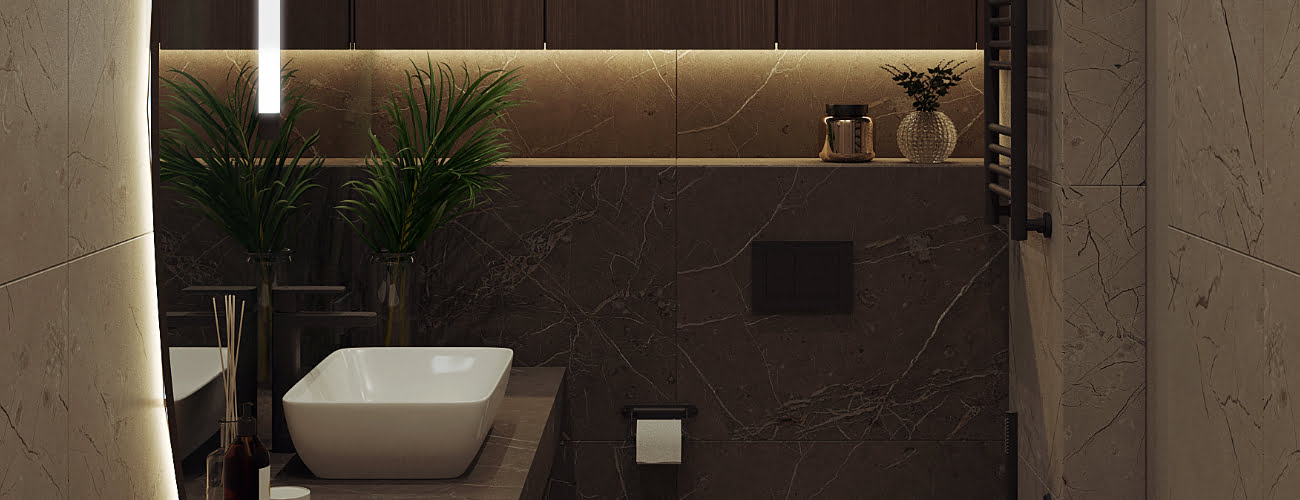
Modern bathroom design emphasizes a clean, minimalist aesthetic with a focus on simplicity and functionality. This style typically features geometric shapes, sharp lines, and a monochromatic color palette interspersed with bold contrasts.
Key Features:
- Color and Texture: Neutral colors like black, white, and grays dominate, often highlighted with one bold color for a chic look. Surfaces are usually smooth and unembellished, but textured tiles can add depth without compromising the overall simplicity.
- Fixtures and Fittings: Sleek fixtures with metallic finishes such as stainless steel, chrome, or brushed nickel are common. Modern bathrooms often feature floating vanities, streamlined toilets, and frameless glass shower enclosures.
- Lighting and Mirrors: Lighting is crucial in modern design. Recessed lighting, pendant lights, and wall sconces with LED bulbs provide both ambiance and functionality. Large, often frameless mirrors enhance the clean lines and increase light reflection in the space.
Traditional Bathroom Design: Timeless Elegance
Traditional bathroom design draws inspiration from classic European decor, particularly from the 18th and 19th centuries. This style is characterized by ornate details, luxurious materials, and a warm, inviting atmosphere.
Key Features:
- Color and Materials: Warm, rich colors like deep blues, greens, and burgundies are paired with luxurious materials like marble and polished wood. Wallpaper featuring floral or damask patterns can also add to the opulence.
- Fixtures and Fittings: Traditional bathrooms often include clawfoot tubs, porcelain lever-handle faucets, and ornate cabinetry. Countertops may feature marble or granite, adding to the luxurious feel.
- Decorative Details: Attention to detail is key in traditional design. Decorative moldings, window treatments with rich fabrics, and framed art pieces are common. Chandeliers or lantern-style lighting can add a touch of glamour and warmth.
Rustic Bathroom Design: Naturally Relaxing
Rustic bathroom design brings the calmness and warmth of the outdoors inside, perfect for creating a cozy, comforting retreat. It combines natural elements and textures to create a space that feels both grounded and inviting.
Key Features:
- Materials and Texture: Natural materials such as stone, reclaimed wood, and wrought iron are staples in rustic design. Textures are rugged and unrefined, contributing to an authentically rustic feel.
- Fixtures and Fittings: Fixtures often have an antique or handcrafted look. Copper or brass taps, distressed wood vanities, and hammered metal sinks are popular choices that reflect a handcrafted aesthetic.
- Decor and Accessories: To enhance the rustic charm, use elements like mason jars for storage, vintage rugs on the floor, and lanterns for lighting. Incorporating greenery through plants or wreaths can add a fresh touch and a bit of color.
Conclusion
Your bathroom offers a unique opportunity to blend functionality with personal style. Whether you prefer the clean lines of modern design, the rich details of traditional decor, or the earthy feel of a rustic aesthetic, there’s a bathroom style to suit every preference. By choosing the right materials, colors, and fixtures, you can create a bathroom that not only meets your practical needs but also reflects your personal taste and enhances your home’s overall appeal.