

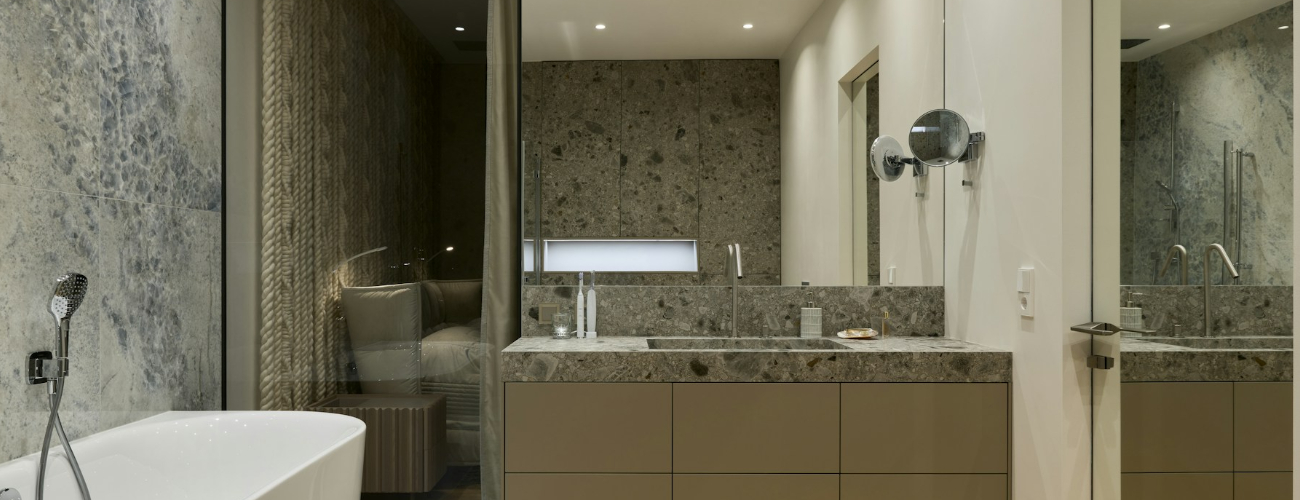
The Top 7 Bathroom Flooring Materials
When renovating a bathroom, choosing the right flooring material is crucial as it needs to be both aesthetically pleasing and functional, capable of withstanding high moisture and frequent use. This comprehensive guide explores the top seven bathroom flooring materials, highlighting their pros and cons, durability, and maintenance needs to help you make an informed decision for your space.
Porcelain or Ceramic Tile
Pros: Porcelain and ceramic tiles are among the most popular choices for bathroom flooring due to their versatility and durability. They are water-resistant, stain-resistant, and available in a wide range of colors, shapes, and sizes. Porcelain tiles, in particular, are known for their density and low porosity, making them ideal for wet environments.
Cons: Tiles can be cold underfoot unless installed with a radiant heating system. They are also hard, which can be uncomfortable to stand on for long periods and potentially hazardous if someone falls.
Maintenance: Easy to clean with damp mopping and non-abrasive cleaners. Regular sealing is recommended for grout lines to prevent staining and moisture penetration.
Vinyl
Pros: Vinyl flooring, especially luxury vinyl planks or tiles, offers excellent water resistance and comfort underfoot. It’s an affordable option that comes in various designs, including styles that mimic wood and stone. Vinyl is also relatively easy to install, making it a great DIY project.
Cons: While newer vinyl is more durable than older versions, it can still be punctured by sharp objects. Cheaper vinyl may off-gas volatile organic compounds (VOCs), which are a concern for indoor air quality.
Maintenance: Vinyl flooring is low maintenance, requiring only regular sweeping and occasional mopping. Avoid abrasive cleaners to prevent damage to the surface.
Natural Stone
Pros: Natural stone tiles, such as marble, granite, and limestone, add a luxurious touch to any bathroom. They are unique, with no two tiles exactly alike, and are highly durable.
Cons: Stone is porous and requires sealing upon installation and periodic resealing to maintain its resistance to water and stains. It is also one of the more expensive flooring options and can be slippery when wet unless textured.
Maintenance: Needs regular cleaning with pH-neutral stone cleaners. Abrasive or acidic cleaners can damage the stone surface.
Engineered Wood
Pros: Engineered wood provides the warmth and elegant appearance of real wood but with better moisture resistance due to its plywood or hardwood base topped with a hardwood veneer. It’s more stable than solid wood in humid conditions.
Cons: Although more moisture-resistant than solid hardwood, it can still be susceptible to warping in standing water. It is also prone to scratches and dents.
Maintenance: Requires wiping up spills immediately to prevent water damage. Use a damp mop and wood cleaner formulated for engineered wood floors for cleaning.
Cork
Pros: Cork flooring is eco-friendly, hypoallergenic, and provides a warm, cushioned feel underfoot. It has natural antimicrobial properties, reducing the growth of mold and mildew.
Cons: Cork must be sealed to waterproof it, and even then, it may not be as durable as other flooring options. It can fade in direct sunlight and be damaged by standing water if not properly sealed.
Maintenance: Requires resealing every few years to maintain water and stain resistance. Clean with a mild cleaner and avoid abrasive tools.
Bamboo
Pros: Bamboo flooring is another eco-friendly option that is durable and has a similar look to hardwood. It’s somewhat more resistant to water damage and deformation than traditional hardwoods.
Cons: Cheap bamboo can be susceptible to scratches and dents. The quality of bamboo can vary significantly, affecting its durability and appearance.
Maintenance: Sweep or vacuum regularly and clean with a damp mop and bamboo-specific cleaner. Avoid letting water sit on the surface.
Concrete
Pros: Concrete flooring offers a modern look and incredible durability. It is water-resistant when sealed properly and can be stained or textured to enhance its appearance.
Cons: Concrete can be hard and cold underfoot, similar to tile. It can also be slippery when wet if not finished with a textured surface.
Maintenance: Requires sealing upon installation and periodic resealing. Clean with mild, non-abrasive cleaners to maintain the integrity of the sealant.
Conclusion
Choosing the right bathroom flooring material involves balancing aesthetics, durability, and maintenance. Whether you prefer the classic elegance of stone, the warmth of wood, or the practicality of vinyl, there are options available to suit every taste and budget. Consider the pros and cons of each material and how they align with your lifestyle and bathroom usage to ensure your new flooring meets both your stylistic and functional needs for years to come.