

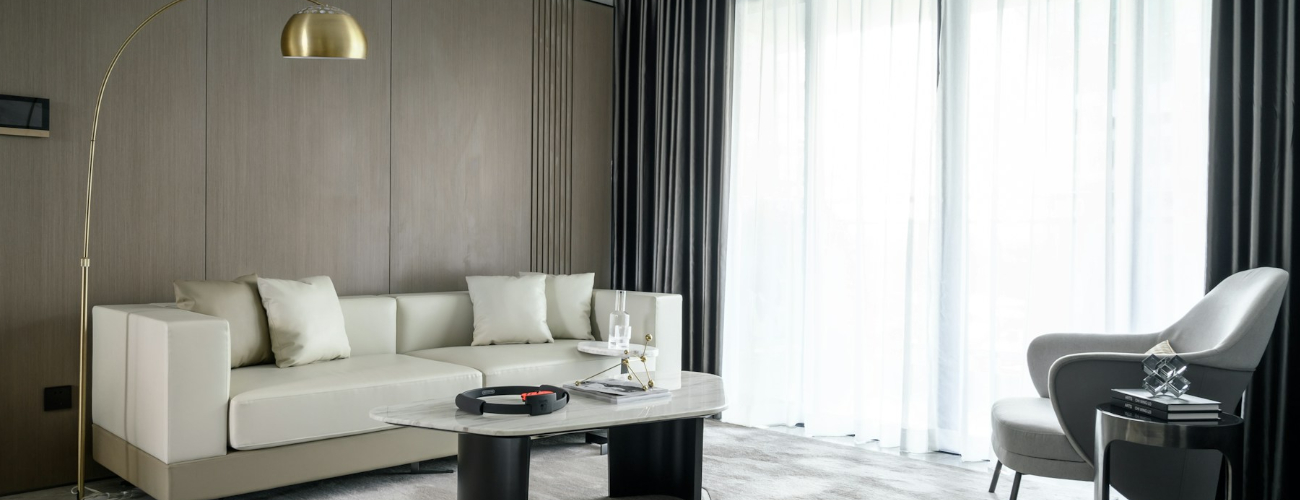
The Psychological Effects of Colors on Human Behavior
Color is a powerful tool in interior design, not just for its aesthetic appeal but for its ability to influence mood, emotions, and overall behavior. Understanding the psychological impact of colors can transform a mere space into a nurturing environment tailored to foster well-being and productivity. This extensive discussion explores how different colors affect human behavior and how you can apply this knowledge to enhance your living or working spaces.
The Science of Color Psychology
Color psychology is the study of hues as a determinant of human behavior. Colors can invoke specific emotions, affect decisions, and even influence physical reactions. For instance, certain colors can raise blood pressure, increase metabolism, or have a calming effect. While individual experiences might vary due to personal and cultural differences, general patterns can guide the use of color in interior environments.
Warm Colors: Energy and Enthusiasm
Red:
- Impact: Red is a dynamic color known to increase energy levels and raise the heart rate. It is associated with passion, excitement, and urgency.
- Application: In home design, red can be used to energize high-activity areas like the living room or dining area. However, it’s best used in moderation to avoid overwhelming the senses.
Orange:
- Impact: Orange is seen as a friendly and inviting color that combines the energy of red and the happiness of yellow. It stimulates activity, appetite, and social interaction.
- Application: This color works well in exercise rooms and informal living rooms, where movement and interaction are encouraged.
Yellow:
- Impact: Often associated with happiness and cheerfulness, yellow can also stimulate mental processes and the nervous system.
- Application: Yellow is effective in kitchens, dining rooms, and bathrooms, where a cheerful and energizing atmosphere is beneficial.
Cool Colors: Calm and Concentration
Blue:
- Impact: Blue is known for its calming effects. It can lower blood pressure, heart rate, and temper anxiety.
- Application: Ideal for bedrooms and bathrooms, blue can help create a tranquil space conducive to relaxation and contemplation.
Green:
- Impact: The most restful color for the eye, green has a strong emotional correspondence with safety. It is calming, stress-relieving, and also represents renewal and harmony.
- Application: Green is perfect for almost any room in the house, especially places where you want to promote balance and reassurance, like living rooms and offices.
Purple:
- Impact: Dark hues of purple have a luxurious and calming effect, often associated with depth and creativity. Lighter versions bring the same restful quality as blue but with a hint of warmth.
- Application: Use darker shades for a touch of drama and sophistication in formal areas or a master bedroom, and lighter shades in artistic or creative spaces.
Neutral Colors: Balance and Flexibility
White:
- Impact: White can reflect other colors and make spaces appear larger. It symbolizes purity and cleanliness but can also contribute to feelings of emptiness or isolation if overused.
- Application: Use white to create a clean, fresh backdrop for any interior but balance it with colorful accents to avoid a clinical feel.
Black:
- Impact: Black adds a sense of depth and sophistication to spaces but can evoke strong emotions of gloom and sadness if predominated.
- Application: Ideal for highlighting or accentuating features in a room, use black sparingly to add elegance without overpowering.
Gray:
- Impact: Gray is a stable and neutral color, often associated with conservatism and practicality. It can also be seen as a calming color but, like white, may seem dreary if used excessively without contrasts or complements.
- Application: Gray works well in office environments and modern living areas, providing a sophisticated, balanced backdrop that pairs well with vibrant colors.
Conclusion
Color is not just a visual experience but also an emotional one. The right palette in your home can create an environment that not only looks appealing but also feels welcoming and promotes your well-being. Whether you’re painting a wall, choosing furniture, or selecting accessories, consider the psychological impact colors might have on you and your family’s behavior. By understanding the psychological effects of colors, you can craft spaces that enhance moods, improve productivity, and make your home a more harmonious sanctuary.