

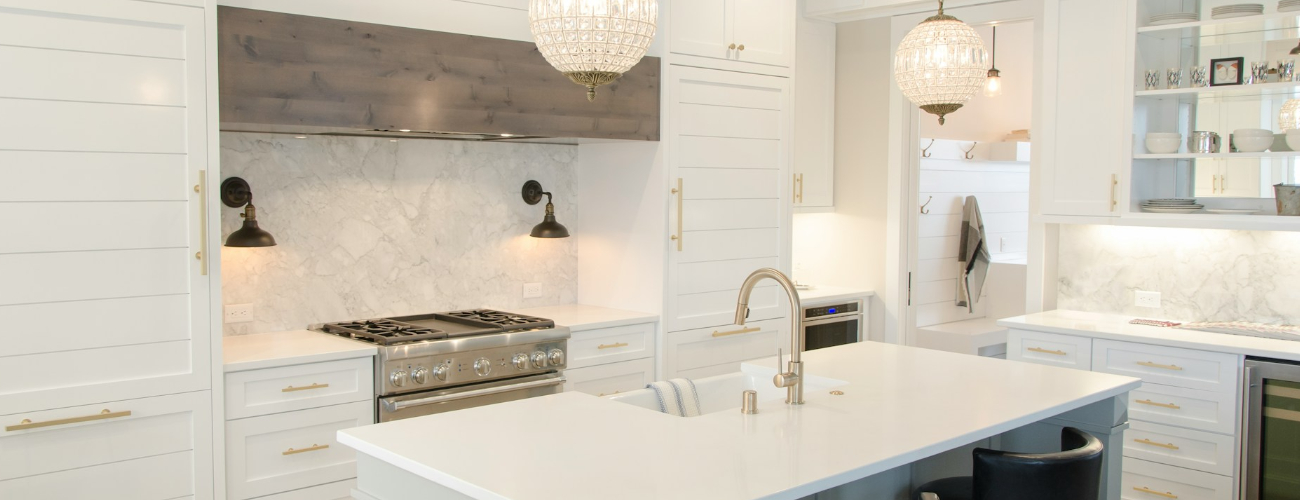
The Importance of Lighting in Home Renovations
Lighting plays a crucial role in home renovations, yet it’s often overlooked during the planning process. The right lighting can transform a space, enhancing its functionality, aesthetics, and even mood. Whether you’re renovating a single room or your entire home, understanding the importance of lighting and how to get it right is key to achieving the best results. Here’s why lighting matters in home renovations and how you can ensure it enhances your space.
Lighting Sets the Mood
Lighting affects the atmosphere of any space. Warm, soft lighting can create a cozy, inviting feel, perfect for living rooms and bedrooms, while bright, cool lighting is ideal for areas like kitchens or bathrooms, where task lighting is essential. Choosing the right color temperature for each room can drastically influence how the space feels.
- Warm Lighting (2700K-3000K): Best for living rooms, bedrooms, and dining areas to create a relaxing and intimate atmosphere.
- Cool Lighting (3500K-4100K): Ideal for kitchens, bathrooms, and workspaces where you need clarity and focus.
By thoughtfully selecting your lighting, you can shape the emotional experience of each room.
Functionality and Task Lighting
Good lighting is not just about aesthetics; it’s also about functionality. Different spaces in your home have different lighting needs, depending on how you use them. In areas where detailed tasks are performed—such as cooking in the kitchen, applying makeup in the bathroom, or working in a home office—task lighting is essential.
- Kitchens: Under-cabinet lighting illuminates countertops where food prep happens. Pendant lights over islands provide both style and functionality.
- Bathrooms: Bright, even lighting around mirrors helps with grooming tasks like shaving or applying makeup.
- Home Offices: Desk lamps or overhead lights that reduce eye strain are crucial for focused work environments.
When planning your renovation, identify where task lighting is needed to ensure every space is functional and well-lit.
Layered Lighting for Versatility
One of the most effective strategies for great lighting design is layering. Layered lighting combines different types of lighting—ambient, task, and accent lighting—to create a balanced and versatile environment.
- Ambient Lighting: This is the general lighting that fills a room. It’s usually provided by ceiling fixtures such as recessed lights, chandeliers, or flush mounts. Ambient lighting ensures overall visibility in a room.
- Task Lighting: As mentioned earlier, task lighting is focused on specific activities. Examples include reading lamps, kitchen under-cabinet lights, or bathroom vanity lights.
- Accent Lighting: Accent lighting highlights architectural features, artwork, or focal points in a room. Wall sconces, spotlights, and LED strips can be used to add drama and depth.
By layering different types of lighting, you can create a space that’s adaptable to different activities and moods, making your home more versatile and enjoyable.
Energy Efficiency and LED Lighting
Incorporating energy-efficient lighting solutions into your renovation plans is not only good for the environment but also beneficial for your wallet. Modern LED lighting uses significantly less energy than traditional incandescent bulbs and lasts much longer, which means fewer replacements and lower electricity bills.
LED lighting is also incredibly versatile, available in a range of color temperatures and styles, from recessed ceiling lights to decorative fixtures. Many LEDs are now compatible with dimmers and smart home systems, giving you even more control over your home’s lighting.
Dimmers and Smart Lighting for Control
Adding dimmer switches or smart lighting systems can elevate your home’s lighting by giving you greater control over brightness and ambiance. Dimmers allow you to adjust lighting levels to suit different activities—whether it’s a bright light for reading or a soft glow for movie night.
Smart lighting systems, which can be controlled via your smartphone or voice commands, give you even more flexibility. You can automate lighting schedules, change color temperatures, or control lights remotely. Smart systems also contribute to energy efficiency, allowing you to turn off lights when not in use.
Highlighting Architectural Features
Lighting is a powerful tool for highlighting the architectural elements of your home. Whether it’s a textured wall, exposed beams, or built-in shelving, the right lighting can draw attention to these features and add depth to the space.
- Cove Lighting: Installed in recessed ceilings or behind crown molding, cove lighting creates a soft, indirect light that accentuates the shape of the room.
- Wall Grazing: This technique uses lighting to highlight textured surfaces like stone, brick, or wood paneling, adding visual interest and warmth to a room.
By using accent lighting creatively, you can emphasize the unique aspects of your home’s architecture and create a sense of luxury.
Outdoor Lighting
Don’t forget about outdoor lighting when planning your home renovation. Properly illuminating outdoor areas like patios, walkways, and entryways not only improves the safety and security of your home but also extends your living space.
- Path Lighting: Low-level lighting along pathways or garden beds creates a welcoming and safe environment.
- Landscape Lighting: Highlight trees, shrubs, or water features to create a beautiful nighttime landscape.
- Security Lighting: Motion-sensor lights placed around the perimeter of your home can deter potential intruders while also lighting up dark areas.
Outdoor lighting enhances the curb appeal of your home and ensures that you can enjoy outdoor spaces after dark.
Conclusion
Lighting is one of the most important elements to consider in any home renovation. It impacts the mood, functionality, and overall appearance of your space. By incorporating a thoughtful lighting plan, including layered lighting, task lighting, and energy-efficient options, you can create a home that is both beautiful and practical. Don’t overlook the importance of lighting in your next renovation project—getting it right can transform your home into a space that’s not only well-lit but also welcoming and comfortable.