

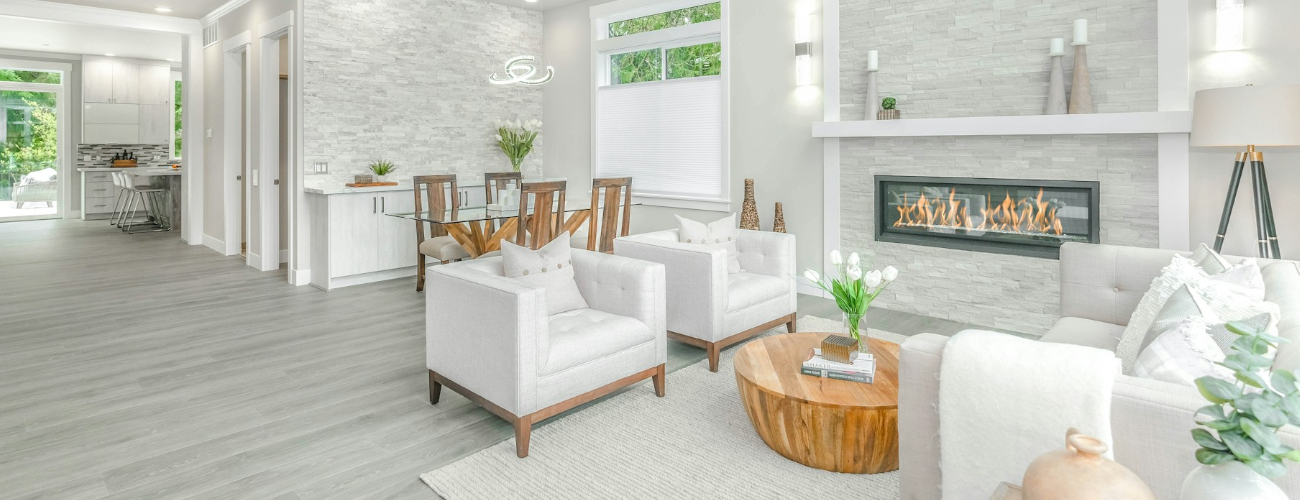
The Best Furniture Layouts for Open-Concept Homes
Open-concept homes are popular for their spacious, airy feel and flexibility. However, designing the right furniture layout can be challenging, as these spaces lack the walls that traditionally separate different areas. To create a cohesive, functional flow, it’s essential to define zones while maintaining the open feel. This post will explore the best furniture layouts for open-concept homes to help you design a stylish and practical space.
Define Separate Zones with Furniture
Use furniture to create distinct zones within the open space. Sofas, rugs, and bookshelves can serve as visual dividers between the living, dining, and kitchen areas.
- Sectional sofas can mark the edge of a living room.
- Use area rugs to define individual spaces and provide a visual break.
- Position a console table behind a sofa to separate it from the dining area.
This layout helps maintain functionality while keeping the space open and interconnected.
Create a Central Gathering Area
A living room arrangement centered around a focal point—like a fireplace, TV, or coffee table—works well in open-concept layouts. This creates a cozy zone where family and guests can gather.
Furniture suggestions for a central area:
- Use a sofa facing the focal point, with accent chairs on either side.
- A circular coffee table can help soften the space and encourage conversation.
- Add a media console or low cabinet for storage along a wall without disrupting the open feel.
This layout works well if the living area is the heart of the home, bringing people together comfortably.
Arrange Furniture for Flow and Movement
In an open-concept space, it’s essential to maintain easy flow between different areas. Place furniture in ways that allow people to move naturally between zones without feeling blocked.
- Keep at least 36 inches of space between large furniture pieces.
- Float furniture (instead of pushing everything against the walls) to enhance the open design.
- Use round furniture pieces, like circular tables, to make it easier to move through the room.
This layout promotes a seamless flow, making the space feel welcoming and uncluttered.
Use Back-to-Back Arrangements
In larger open-concept spaces, back-to-back furniture arrangements can create clear zones while preserving openness. For example:
- Place the dining table behind the living room seating area, using a sofa to separate the two spaces.
- Use open bookshelves or a low console to divide areas without obstructing sightlines.
- Pair two seating areas back-to-back if you have a large space, creating both a formal and a casual lounging area.
This layout is ideal for multi-purpose spaces, offering flexibility while keeping the layout visually organized.
Anchor the Space with Statement Furniture
Anchor pieces—like a bold sectional sofa or an oversized dining table—can ground an open space and provide a visual focal point. Choose statement furniture that draws attention to the core of the room, helping to create structure.
Ideas for anchor pieces:
- A large sectional in the living area that defines the room’s boundaries.
- A statement chandelier above the dining table to visually separate the dining area.
- Use accent chairs or benches along the walls to create additional seating without cluttering the open floor plan.
This approach ensures that your layout feels intentional and balanced, even without traditional room divisions.
Incorporate Multi-Functional Furniture
Multi-purpose furniture is essential in open-concept homes to maximize space and functionality. Choose pieces that can serve more than one purpose.
- Ottomans with storage: Use them as footrests, coffee tables, or extra seating.
- Extendable dining tables: Great for both everyday meals and large gatherings.
- Bookshelves as room dividers: Create visual separation while providing storage.
This layout makes the space adaptable, allowing you to reconfigure furniture easily for different needs.
Use Symmetry for Visual Balance
Symmetrical layouts can bring harmony to large, open spaces. Matching furniture pieces or balanced groupings help make the room feel organized and intentional.
Ideas for symmetrical layouts:
- Place two sofas facing each other, with a coffee table in the center.
- Use matching chairs on either side of a fireplace or media console.
- Create a symmetrical dining area with matching side chairs or a bench along one side.
This layout provides structure and order, perfect for larger spaces that need visual balance.
Integrate the Kitchen Seamlessly
In many open-concept homes, the kitchen flows directly into the living or dining space. Use bar stools, islands, or breakfast nooks to create a transition between the kitchen and other areas.
- Place stools along the kitchen island for casual dining and socializing.
- A small breakfast nook with a round table can serve as a secondary dining area.
- Use light fixtures above the kitchen island that complement those in the dining area for a cohesive look.
This layout ensures the kitchen feels connected to the rest of the home without being too intrusive.
Conclusion
Designing the perfect furniture layout for an open-concept home involves balancing functionality, flow, and aesthetics. By defining zones with furniture, creating smooth pathways, and using multi-purpose pieces, you can make the most of your open space. Whether you prefer symmetrical arrangements or back-to-back layouts, the key is to design a space that suits your lifestyle while maintaining the openness and flexibility that makes this style of home so appealing.