

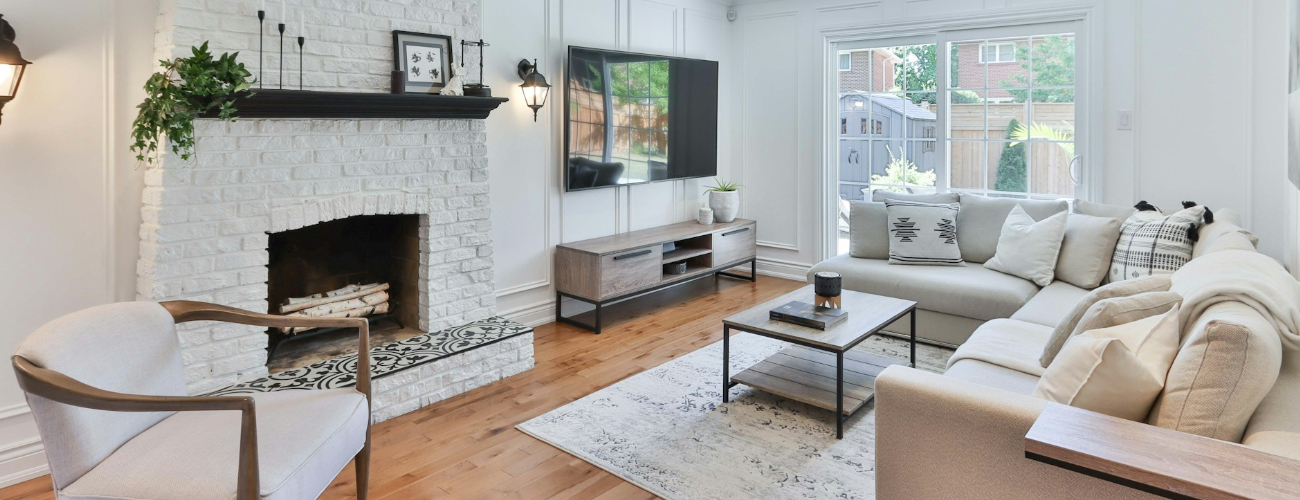
The Best Flooring Choices for Homes in Humid Climates
Choosing the right flooring for a home in a humid climate is crucial for maintaining both style and durability. In humid regions, floors are more prone to moisture absorption, warping, and mold, making it essential to select materials that can withstand these challenges. Here’s a guide to the best flooring options for homes in humid climates, with a focus on materials that are both resilient and visually appealing.
Porcelain or Ceramic Tile
Porcelain and ceramic tiles are excellent choices for humid climates due to their water-resistant properties. These tiles don’t absorb moisture, making them ideal for areas like bathrooms, kitchens, and entryways where humidity and moisture are high. They also come in a wide range of colors, textures, and designs, allowing homeowners to create unique, stylish looks.
Pros:
- Highly water-resistant
- Easy to clean and maintain
- Available in numerous styles and designs
Cons:
- Can feel cold underfoot (adding rugs or radiant heating can help)
- Grout lines may need regular sealing to prevent mold growth
Vinyl Flooring
Vinyl flooring has come a long way and is now one of the most versatile and water-resistant options on the market. Available in sheets, tiles, and planks, vinyl can mimic the look of wood, stone, or tile at a fraction of the cost. Luxury vinyl planks (LVP) are particularly popular, as they provide a high-end look and are extremely durable in humid environments.
Pros:
- 100% waterproof
- Durable and resistant to humidity and temperature changes
- Easy to install, even in DIY projects
Cons:
- Can fade over time in direct sunlight
- Lower-end vinyl may not be as durable
Engineered Hardwood
While solid hardwood is not suitable for humid climates due to its tendency to warp and swell, engineered hardwood can be a good alternative. Engineered hardwood consists of a real wood veneer over multiple layers of plywood, which makes it more stable and resistant to humidity than solid wood. It still provides the natural beauty of wood but with greater durability in damp environments.
Pros:
- Looks and feels like real hardwood
- More resistant to moisture than solid wood
- Available in various wood species and finishes
Cons:
- Not fully waterproof; still susceptible to water damage if exposed to standing water
- More expensive than other moisture-resistant options
Bamboo Flooring
Bamboo flooring is a sustainable and resilient option that can perform well in humid climates when treated properly. Strand-woven bamboo, in particular, is known for its high density and resistance to moisture. It’s eco-friendly, aesthetically pleasing, and provides a unique look for homeowners who want a natural material without the challenges of hardwood in humid areas.
Pros:
- More moisture-resistant than traditional hardwood
- Eco-friendly and sustainable
- Unique and stylish appearance
Cons:
- Can still warp in extreme humidity if not acclimated properly before installation
- Sensitive to prolonged exposure to moisture
Laminate Flooring with Moisture Resistance
Modern laminate flooring has improved significantly and is now available in moisture-resistant options, making it suitable for some humid areas of the home. With a durable surface layer that resists scratches and a water-resistant core, certain types of laminate are engineered to withstand humidity better than traditional laminate options. This is a good choice for those looking for an affordable alternative to wood that won’t swell in damp conditions.
Pros:
- More affordable than hardwood or bamboo
- Available in a wide range of styles and designs
- Some types come with water-resistant cores
Cons:
- Not fully waterproof; avoid using in bathrooms or areas with standing water
- Can feel less authentic than real wood
Natural Stone Flooring
Natural stone flooring options like slate, granite, and marble are well-suited for humid climates due to their natural moisture resistance. Stone flooring adds a luxurious, timeless appeal and is incredibly durable, making it an ideal choice for high-humidity areas such as kitchens, bathrooms, and even outdoor patios.
Pros:
- Naturally resistant to humidity and water
- Adds value and a luxurious look to the home
- Extremely durable and long-lasting
Cons:
- Higher initial cost and installation fees
- Can be slippery when wet; consider textured finishes for better grip
Concrete Flooring
Concrete flooring is becoming more popular for interior use, especially in humid regions. It is highly durable, water-resistant, and easy to customize with stains, sealers, and surface textures. Concrete is an excellent choice for modern and industrial-style homes and can be used in both indoor and outdoor settings.
Pros:
- Highly durable and water-resistant
- Low maintenance and easy to clean
- Can be customized with various finishes and colors
Cons:
- Can feel hard and cold underfoot (area rugs can add warmth)
- Requires periodic resealing for durability and appearance
Tips for Flooring Maintenance in Humid Climates
- Use Dehumidifiers: Running a dehumidifier in humid rooms can help prevent moisture buildup and reduce the risk of mold or mildew.
- Regular Cleaning: Regularly clean and dry the floors, especially in high-traffic or moisture-prone areas, to prevent water damage.
- Sealing and Finishing: Some materials, like concrete and natural stone, may require periodic resealing to maintain their durability and appearance.
Conclusion
Choosing the right flooring for a home in a humid climate is essential for long-lasting durability and style. Options like porcelain tile, luxury vinyl, engineered hardwood, and bamboo offer moisture resistance and appeal to various budgets and design preferences. With the right flooring choice and proper maintenance, you can enjoy beautiful, durable floors that withstand the challenges of humid conditions.