

The Benefits of Open-Concept Bathrooms and How to Design One
Open-concept bathrooms are a bold and modern design choice that can transform both the aesthetics and functionality of your home. By removing walls and incorporating spacious layouts, these bathrooms create a luxurious, spa-like experience right in your own home. If you’re considering an open-concept bathroom, here are the benefits and some essential tips on how to design one that’s both stylish and practical.
Benefits of an Open-Concept Bathroom
Open-concept bathrooms offer several unique advantages over traditional layouts:
- Enhanced Sense of Space: Removing walls and barriers opens up the room, making it feel more expansive and airy. This can be particularly beneficial in smaller homes or apartments where maximizing space is a priority.
- Better Natural Lighting: Without walls blocking windows or light sources, an open-concept bathroom allows natural light to flood the space. This can create a brighter, more inviting environment and reduce the need for artificial lighting during the day.
- Improved Flow and Connectivity: Open bathrooms integrate seamlessly with adjacent spaces, often blending into the bedroom or dressing area. This setup fosters a natural flow between spaces, which is convenient and visually appealing.
- Modern, Luxurious Feel: The open-concept design brings a sleek, high-end hotel or spa feel to your home. It’s a contemporary look that adds sophistication and can increase the property’s appeal and value.
- Flexible Layout Options: With fewer walls and dividers, you have more freedom to arrange fixtures, accessories, and decor in a way that suits your lifestyle and design preferences.
Privacy Considerations in Open Bathrooms
Privacy is a common concern with open-concept bathrooms, especially if the space is shared. Here are some strategies to maintain privacy while enjoying the open layout:
- Frosted Glass Partitions: Use frosted glass for shower enclosures or half walls to provide privacy without closing off the space completely.
- Sliding Doors or Pocket Doors: These doors can be used to separate the bathroom area when needed, allowing you to close off sections without adding bulky walls.
- Strategic Placement of Fixtures: Place the bathtub, shower, or vanity where they’re not immediately visible from the adjoining room, creating subtle separation between functional zones.
- Screens or Curtains: Room dividers or lightweight curtains can be used as flexible privacy solutions, especially near the toilet or shower area.
With these privacy solutions, you can create a design that balances openness and discretion.
Choosing the Right Fixtures and Materials
In an open-concept bathroom, fixtures and materials are on full display, so it’s important to choose options that align with the design aesthetic and blend well with adjacent spaces.
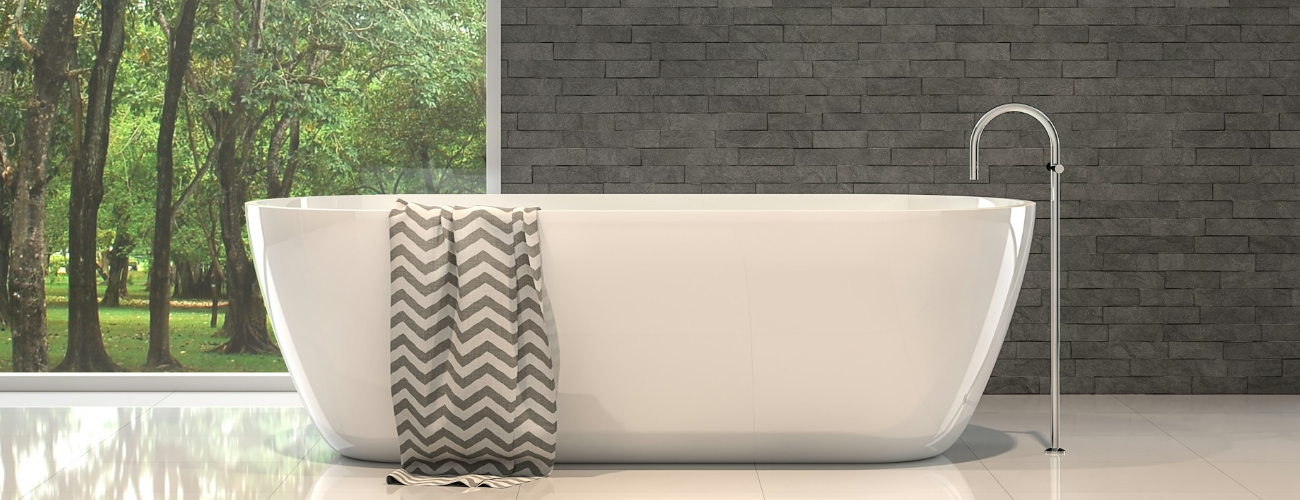
- Freestanding Bathtubs: A freestanding tub serves as a stylish focal point and works particularly well in open layouts. Place it in the center of the bathroom or by a window to make a bold statement.
- Walk-In Showers: Frameless glass showers maintain the open feel while offering a sleek, minimalist look. Consider adding a rain showerhead or built-in bench for a spa-like experience.
- Consistent Flooring: Extend the same flooring from the bedroom or adjoining area into the bathroom for a cohesive look. Water-resistant materials like stone, ceramic tile, or luxury vinyl are ideal choices.
- High-Quality Finishes: Since open-concept bathrooms are part of the main living space, choose high-quality finishes, such as brushed brass or matte black for faucets and handles, to enhance the overall aesthetic.
Maximizing Light and Ventilation
Light and ventilation are key components in any bathroom, and they’re especially important in open-concept designs. Here’s how to optimize these elements:
- Natural Lighting: If possible, install large windows, skylights, or even glass doors to bring in ample natural light. Not only does this brighten the space, but it also enhances the open and airy feel.
- Ventilation Systems: Open-concept bathrooms still require effective ventilation to prevent moisture buildup. Install an exhaust fan with sufficient power for the square footage and consider a dehumidifier if the space is large.
- LED Lighting: Use dimmable LED lights around mirrors, vanities, and showers to provide flexible lighting options for different times of day and mood settings.
By maximizing light and ensuring proper ventilation, you can keep the bathroom feeling fresh and comfortable at all times.
Creating Distinct Zones within the Open Layout
An open bathroom layout benefits from clear zones for different functions, even if the space is open. Here are some ways to define zones:
- Partial Walls or Dividers: Create visual separation between areas like the shower, vanity, and toilet by using partial walls, glass dividers, or shelving units. This maintains openness while subtly dividing the space.
- Accent Flooring or Rugs: Use different flooring materials, patterns, or rugs to define each zone. For example, you could use tiles in the shower area and wood flooring in the vanity zone.
- Statement Fixtures: Anchor each zone with a standout feature, such as a unique mirror in the vanity area, a chandelier above the tub, or patterned tiles in the shower. This adds style while visually separating each section.
Defining zones helps organize the space, making it more functional and aesthetically balanced.
Blending with the Bedroom or Adjoining Space
When designing an open-concept bathroom that connects to a bedroom, it’s important to create a seamless look between the two spaces.
- Matching Color Schemes: Choose a color palette that complements the bedroom. Neutral shades, such as whites, grays, and soft earth tones, create a cohesive and calming effect.
- Consistent Decor and Accessories: Use similar decor styles, such as modern or minimalist, and match accessories like towels, rugs, and lighting fixtures with the bedroom’s design.
- Shared Elements: Consider using shared design elements, such as similar cabinetry or complementary wall textures, to tie the two spaces together and make the transition feel natural.
By aligning the bathroom with the adjoining space, you create a unified, visually harmonious environment.
Incorporate Storage Solutions
Storage is essential in any bathroom, and an open-concept layout calls for solutions that are both functional and visually pleasing.
- Floating Vanities: Floating vanities offer storage without taking up floor space, keeping the room open and uncluttered.
- Built-In Shelves: Recessed shelves or built-ins in the shower or vanity area provide storage without adding bulk, ideal for an open layout.
- Decorative Baskets and Trays: Use attractive baskets or trays to store toiletries and essentials, adding style while keeping things organized.
Effective storage solutions will ensure that your open-concept bathroom remains clutter-free and visually appealing.
Final Thoughts
An open-concept bathroom offers a fresh, modern approach to bathroom design, bringing a sense of luxury, space, and connectivity to your home. By choosing the right materials, prioritizing light and ventilation, and incorporating privacy features, you can create an open bathroom that’s as functional as it is beautiful. With careful planning, an open-concept bathroom can provide a relaxing, spa-like experience that seamlessly integrates with the rest of your home.