

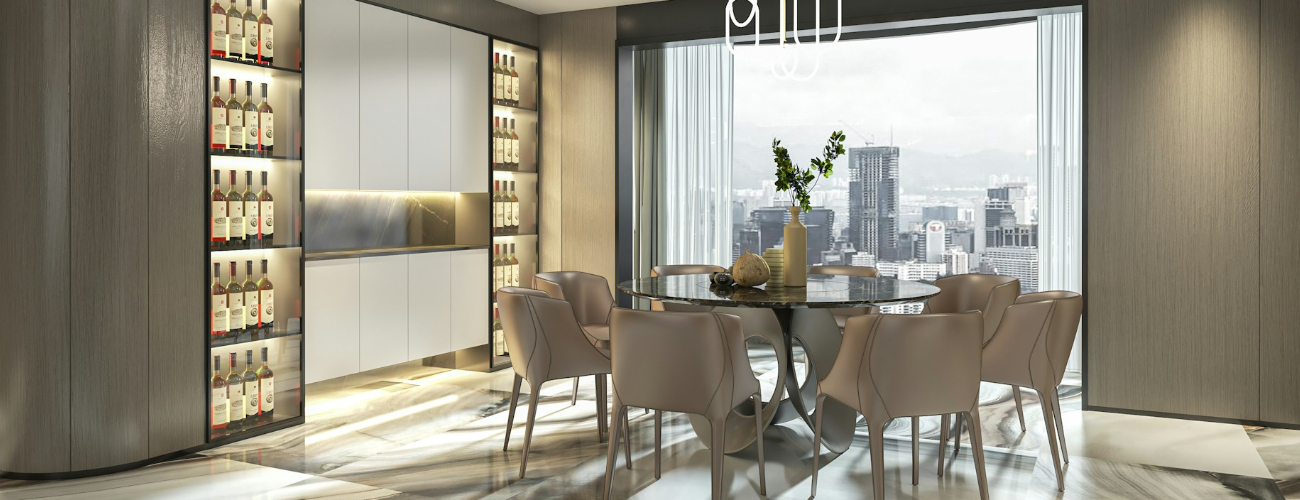
Tailored Spaces: Designing Custom Furniture for Personalized Interiors
Creating a home that reflects personal style and meets specific needs can be a challenge, especially when off-the-shelf furniture doesn’t quite fit the bill. Custom furniture offers a unique solution, allowing for the adaptation of interiors to individual preferences and requirements. This extensive guide explores the process, benefits, and considerations involved in designing custom furniture for truly personalized interiors.
Understanding the Benefits of Custom Furniture
Custom furniture goes beyond mere aesthetics; it offers functionality tailored to your lifestyle. Here are some benefits:
- Perfect Fit: Custom pieces are made to fit precisely in your space, ideal for rooms with unusual dimensions or awkward layouts.
- Personal Style: You have the freedom to choose materials, finishes, and styles that reflect your personal taste and integrate seamlessly with your existing decor.
- Functionality: Custom furniture can be designed to meet specific functional requirements, whether you need extra storage, disability accommodations, or technology integration.
- Quality and Longevity: Often crafted with superior craftsmanship and materials, custom furniture can offer greater durability and longevity than mass-produced items.
The Design Process: From Concept to Completion
Designing custom furniture is a collaborative process involving several key steps:
- Initial Consultation: This involves meeting with a designer or craftsman to discuss your needs, preferences, and budget. It’s helpful to bring inspiration images, fabric swatches, and measurements of the space.
- Design Drafting: Based on your inputs, the designer will create sketches or digital renderings of the proposed furniture. This stage may involve several revisions to ensure the design meets all your expectations.
- Material Selection: Choose materials that not only look good but are also suitable for the furniture’s purpose and location. Consider durability, maintenance, and comfort.
- Fabrication: Once the design and materials are finalized, the crafting process begins. This can take anywhere from a few weeks to several months, depending on the complexity and the workload of the craftsman.
- Delivery and Installation: The final step is the delivery and installation of the furniture in your home, ensuring it fits perfectly in the intended space.
Material and Style Considerations
Choosing the right materials and styles is crucial for ensuring that the furniture not only looks great but also performs well over time.
- Wood: Classic and versatile, wood can be customized in terms of type, finish, and color. It’s ideal for pieces like dining tables, cabinets, and bookcases.
- Metal: Metal can add a modern touch and is excellent for frames and accents. It’s durable and can be finished in various ways.
- Glass: Used for tabletops or decorative features, glass adds a light and airy feel to furniture pieces. Ensure it’s tempered for safety.
- Upholstery: For sofas and chairs, the choice of fabric or leather is critical for both comfort and style. Consider wear and tear, especially if you have pets or children.
Integrating Technology
Modern custom furniture can also integrate technology to enhance functionality. Consider incorporating charging stations, built-in speakers, or hidden compartments for devices in entertainment units or desks.
Sustainability in Custom Furniture
As sustainability becomes more important, consider sourcing materials that are environmentally friendly, such as reclaimed wood or recycled metals. Working with local artisans can also reduce the carbon footprint associated with transportation.
Cost Considerations
While custom furniture is often more expensive than its off-the-shelf counterparts, it’s an investment in quality and personalization. Budget accordingly, and remember that the price will vary widely based on materials, complexity, and the artisan’s expertise.
Conclusion
Custom furniture allows you to create a space that is as unique as your own style and as functional as your life demands. By understanding the process and making informed choices about materials and design, you can transform your home into a personalized retreat that is both beautiful and practical. Tailored spaces are not just about furniture; they’re about crafting environments that inspire and accommodate the way you live.