

Sustainable Renovation Materials
When renovating a home, many homeowners are now prioritizing sustainability—not only to reduce environmental impact but also to create healthier, more efficient living spaces. Choosing sustainable materials during renovation helps conserve resources, lower energy costs, and promote long-term durability. If you’re planning an upgrade, here are some of the best eco-friendly materials to consider for a stylish and sustainable home.
Reclaimed Wood
Reclaimed wood is salvaged from old buildings, barns, or factories and reused in flooring, walls, furniture, or beams. Its worn textures and rich character add warmth and uniqueness to any space.
Why it’s sustainable:
- Prevents deforestation
- Reduces landfill waste
- Often stronger than new wood due to its age
Make sure reclaimed wood is cleaned and treated before installation to ensure safety and longevity.
Bamboo
Bamboo grows much faster than traditional hardwoods—some species can mature in just three to five years. It’s commonly used for flooring, cabinets, and wall panels.
Why it’s sustainable:
- Rapid renewability
- Strong and durable
- Biodegradable
Choose FSC-certified bamboo to ensure it’s sourced responsibly.
Recycled Glass
Recycled glass surfaces are made by fusing broken glass into beautiful countertops or tiles. These materials add brightness and color to kitchens and bathrooms.
Why it’s sustainable:
- Reduces landfill waste
- Durable and easy to maintain
- Requires less raw material extraction
Glass countertops are a unique design choice with eco-friendly appeal.
Cork
Harvested from the bark of cork oak trees (without cutting down the tree), cork is soft, springy, and naturally antimicrobial.
Why it’s sustainable:
- Renewable and biodegradable
- Excellent for insulation and sound absorption
- Comfortable underfoot
Cork works well in bedrooms, home offices, and kids’ playrooms.
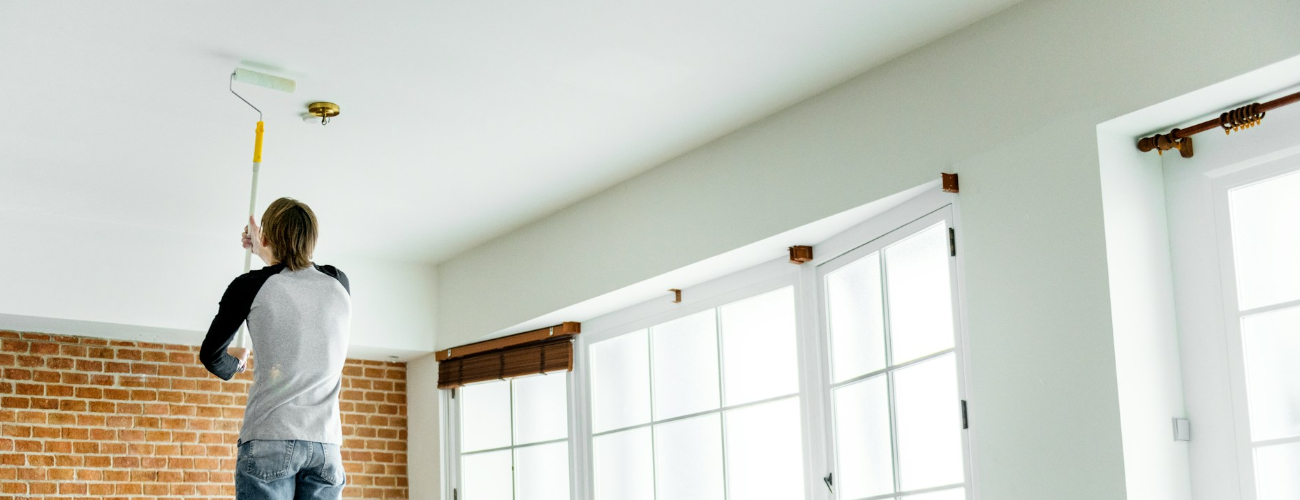
Low-VOC Paints
Traditional paints release volatile organic compounds (VOCs), which can affect indoor air quality. Low-VOC and zero-VOC paints are safer alternatives.
Why they’re sustainable:
- Better indoor air quality
- Safer for children and pets
- Less harmful to the environment
They come in a wide range of colors and finishes, so style is never sacrificed.
Recycled Metal
Steel, aluminum, and copper can all be recycled and reused for roofing, hardware, railings, and decorative features.
Why it’s sustainable:
- Strong and long-lasting
- Fully recyclable
- Energy-efficient to produce when recycled
Metal accents can add a sleek, modern touch while supporting sustainability.
Natural Stone
Stone like granite, slate, or marble is durable, long-lasting, and can often be sourced locally to reduce transportation impact.
Why it’s sustainable:
- Requires minimal processing
- Extremely durable
- Timeless aesthetic
Use stone for countertops, flooring, or accent walls.
Final Thoughts
Sustainable renovation materials are not only good for the planet—they’re also smart investments in your home’s value, health, and performance. By choosing eco-friendly options like reclaimed wood, bamboo, recycled glass, and low-VOC finishes, you can create a space that reflects your style and your environmental values. Sustainable living begins with smart design, and every material choice brings your home one step closer to a greener future.