

Sustainable Flooring Options: Bamboo, Cork, and More
As homeowners grow increasingly conscious of environmental impact, sustainable flooring has emerged as a smart and stylish solution for eco-friendly home design. Flooring covers a large surface area and affects not only the aesthetics but also the comfort, indoor air quality, and carbon footprint of a house. Fortunately, today’s market offers a variety of green alternatives that are both beautiful and durable. Among the most popular choices are bamboo and cork, but there are many more options worth considering. Here’s a guide to sustainable flooring materials that support a healthier home and planet.
Bamboo: Rapidly Renewable and Stylish
Bamboo has become one of the most well-known sustainable flooring options—and for good reason. Technically a grass, bamboo grows incredibly fast, reaching maturity in just 3–5 years. This makes it a highly renewable resource compared to traditional hardwoods, which can take decades to mature.
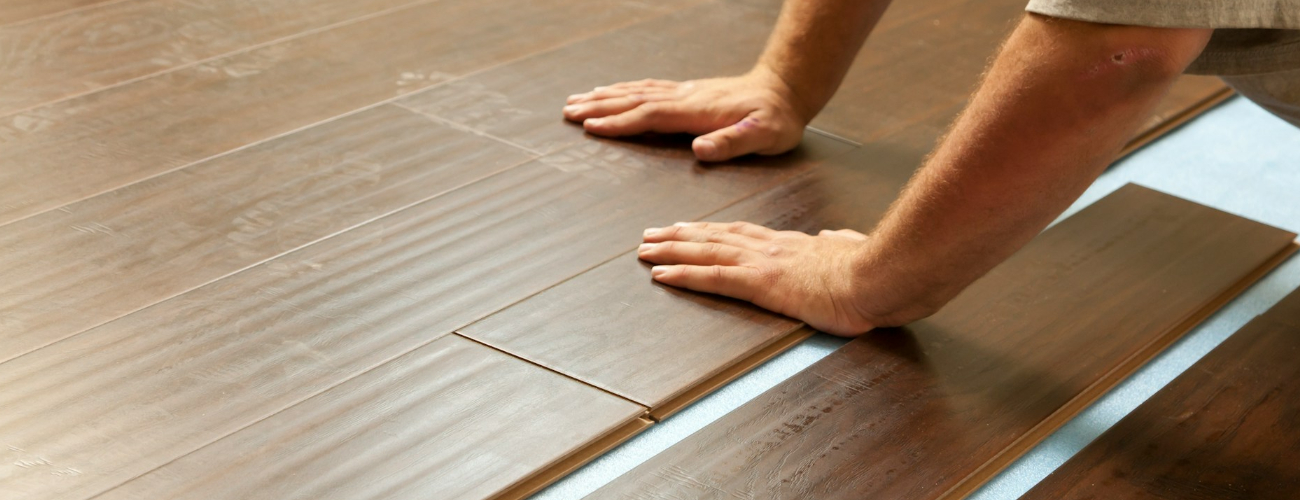
Modern bamboo flooring is available in planks that resemble natural wood in both appearance and performance. It’s strong, moisture-resistant, and comes in various finishes and colors. Strand-woven bamboo is especially durable, making it suitable even for high-traffic areas. However, be sure to choose bamboo from reputable sources that use non-toxic adhesives and meet formaldehyde emission standards.
Cork: Comfortable, Renewable, and Hypoallergenic
Cork flooring is harvested from the bark of the cork oak tree without harming the tree itself. The bark regenerates every 9–12 years, making it an environmentally responsible choice. Cork has a soft, cushioned feel underfoot and naturally insulates against sound and temperature fluctuations—perfect for bedrooms, living rooms, and even offices.
Additionally, cork resists mold, mildew, and pests, making it an excellent hypoallergenic option. Its unique cellular structure also helps it recover from minor dents and impacts. Cork flooring comes in tiles or planks and can be sealed with eco-friendly finishes for extra protection.
Reclaimed Wood: Character with a Conscience
Reclaimed wood flooring is made from salvaged lumber sourced from old barns, factories, and warehouses. Using reclaimed wood reduces demand for new timber and gives a second life to high-quality materials. Each plank has a unique history, with natural patinas and textures that add charm and authenticity to any space.
Though often more expensive due to the labor involved in sourcing and refinishing, reclaimed wood is extremely durable and available in a variety of species, from oak and pine to chestnut and maple. It’s ideal for homeowners who want rustic elegance with minimal environmental impact.
Linoleum: The Original Eco-Friendly Floor
Not to be confused with synthetic vinyl, true linoleum is made from natural materials like linseed oil, cork dust, wood flour, and jute backing. It’s biodegradable, anti-bacterial, and highly resistant to wear. Linoleum is available in vibrant colors and patterns and is often used in kitchens, mudrooms, and hallways.
Because of its durability and low maintenance, linoleum is making a comeback in modern green building. Many brands now offer click-lock versions that are easy to install without harsh adhesives.
Recycled Materials: Innovative and Responsible
Flooring made from recycled content is gaining popularity for its innovation and environmental benefits. Options include recycled rubber (ideal for home gyms and playrooms), recycled glass tiles (great for bathrooms and kitchens), and even carpets made from recycled plastic bottles. These products reduce landfill waste while offering style and functionality.
Recycled flooring is often manufactured using low-VOC processes, which helps improve indoor air quality. Always check for third-party certifications like GreenGuard or FloorScore to ensure you’re choosing truly eco-friendly materials.
Engineered Hardwood with Eco-Friendly Certifications
While solid hardwood isn’t the most sustainable choice, engineered hardwood can be a greener alternative when sourced responsibly. Look for flooring certified by the Forest Stewardship Council (FSC), which ensures the wood comes from sustainably managed forests. Engineered wood also uses less hardwood overall by layering it with fast-growing or recycled materials.
Final Thoughts
Sustainable flooring is more than a trend—it’s a commitment to healthier living and environmental responsibility. Whether you choose bamboo for its strength, cork for its comfort, reclaimed wood for its charm, or linoleum for its low impact, there’s an eco-friendly flooring solution for every room and style. By investing in green materials, you’re not only enhancing your home’s beauty and functionality but also supporting a more sustainable future. Choose wisely, and your floors will reflect both your values and your taste.