

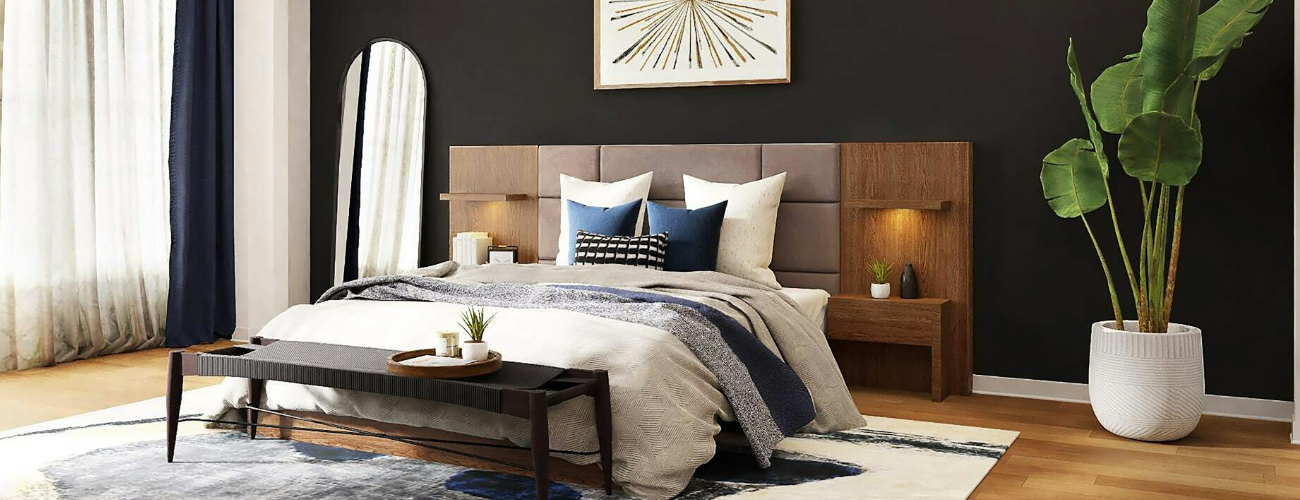
Sustainable Design Choices for Guest Rooms
As the world becomes more environmentally conscious, homeowners are increasingly looking for ways to reduce their ecological footprint—starting right at home. Designing a guest room with sustainability in mind is not only an ethical decision but also one that can enhance the comfort and appeal of your home. In this detailed blog post, we’ll explore various eco-friendly materials and practices that can transform your guest room into a haven of sustainability.
Choosing Eco-Friendly Building Materials
When renovating or constructing a guest room, the materials you choose have a significant impact on the environment. Sustainable building materials are not only better for the earth but also healthier for your guests.
- Bamboo: Bamboo is a highly renewable material that makes excellent flooring and furniture due to its durability and attractive appearance.
- Recycled Wood: Using reclaimed wood for flooring, beams, or furniture helps reduce deforestation and can add character and warmth to the room.
- Low-VOC Paints: Volatile Organic Compounds (VOCs) in traditional paints release toxins into the air. Opting for low-VOC or zero-VOC paints improves indoor air quality and is better for the environment.
Investing in Sustainable Furniture
Furniture selection is crucial in defining the aesthetics and functionality of your guest room. Choosing sustainable furniture not only supports environmentally friendly practices but also ensures durability.
- Certified Sustainable Wood: Look for furniture made from wood certified by the Forest Stewardship Council (FSC) or similar bodies that ensure the wood is sourced responsibly.
- Recycled Materials: Furniture made from recycled plastics, metals, and other materials can be both stylish and durable.
- Upcycled Pieces: Incorporating upcycled furniture can give a new life to old items, reducing waste and adding a unique touch to the decor.
Utilizing Natural Fabrics
Textiles play a significant role in the comfort and aesthetic appeal of your guest room. Choosing natural, organic fabrics can significantly reduce environmental impact.
- Organic Cotton: Opt for bedding, curtains, and upholstery made from organic cotton, which is grown without harmful chemicals and pesticides.
- Linen and Hemp: These fabrics are made from fibers that require minimal chemical treatment, making them sustainable and durable choices for bedding and decor.
Incorporating Energy-Efficient Solutions
Reducing energy consumption is a cornerstone of sustainable living. In the guest room, several practices can help minimize energy use.
- LED Lighting: LED bulbs are more energy-efficient and have a longer lifespan than traditional bulbs.
- Energy-Efficient Windows: Installing double-glazed or energy-efficient windows can help regulate the temperature in the room, reducing the need for heating and cooling.
- Smart Thermostats: These devices allow precise control over the room’s temperature, ensuring energy isn’t wasted heating or cooling an unoccupied room.
Adopting Water-Saving Features
Water conservation is another critical aspect of sustainable design, especially in the guest bathroom.
- Low-Flow Fixtures: Installing low-flow showerheads, faucets, and toilets can significantly reduce water usage without compromising performance.
- Eco-Friendly Personal Care Products: Provide guests with organic and biodegradable personal care products that have a reduced environmental impact.
Decorating with Sustainable Accessories
Accessories and decor in the guest room should also reflect your commitment to sustainability.
- Eco-Friendly Paints and Finishes: Use eco-friendly paints for walls and furniture finishes.
- Natural Fiber Rugs: Choose rugs made from natural fibers like wool or jute, which are biodegradable and sustainably sourced.
- Green Plants: Adding plants not only improves air quality but also enhances the room’s ambiance.
Conclusion
Designing a guest room with eco-friendly materials and practices demonstrates a commitment to sustainability that can inspire your guests and contribute to a healthier planet. By making conscious choices about the materials and products you use, you can create a beautiful, comfortable, and environmentally responsible space that guests will appreciate and enjoy.