

Space Planning Tips for Functional Bathroom Layouts
Designing a bathroom that feels both beautiful and practical requires more than just choosing stylish tiles or fixtures. It’s about understanding how space works — how movement, storage, and comfort fit together. A well-planned bathroom layout can make even the smallest space feel open, organized, and efficient. Whether you’re building a new home or renovating an existing one, thoughtful space planning ensures your bathroom meets both daily needs and long-term comfort.
Start with the Essentials
Before thinking about finishes or accessories, focus on the fundamentals: the placement of the toilet, sink, and shower or bathtub. These elements determine the flow of the space. The key is to create a layout that minimizes congestion while maintaining privacy and convenience.
The sink should be easily accessible, ideally located near the entrance for quick use. Toilets are best placed in more discreet areas, perhaps behind a partial wall or in a separate enclosure. Showers and tubs should feel open but not obstruct pathways. Every inch counts, especially in smaller bathrooms, so plan carefully to ensure the layout feels balanced rather than cramped.
Consider Movement and Flow
Traffic flow is crucial in bathroom design. Think about how you move through the space from the moment you enter. There should be enough clearance to open doors and drawers without bumping into other fixtures. A good rule of thumb is to leave at least 30 inches of space in front of each major fixture for comfortable use.
In narrow bathrooms, consider pocket doors or sliding glass shower enclosures to save space. If you’re working with a shared or family bathroom, multiple access points — such as double sinks or separate wet and dry zones — can make the room more functional for multiple users.
Smart Zoning for Efficiency
Dividing the bathroom into functional zones helps maintain order and enhances usability. The wet zone includes showers, tubs, and sometimes sinks — areas exposed to water that require waterproof finishes and proper drainage. The dry zone includes storage, toilets, and dressing areas.
By clearly separating these zones, you improve cleanliness and durability while making daily routines smoother. For example, placing the vanity between the toilet and shower creates a natural divider while keeping essentials within easy reach.
Optimize Storage Without Clutter
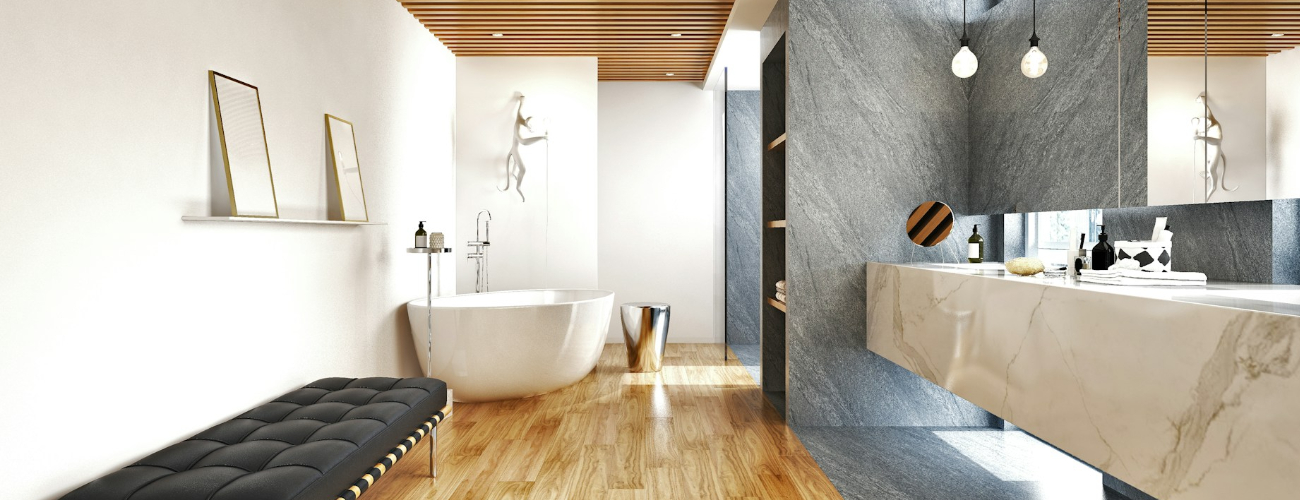
Efficient storage keeps the bathroom tidy and visually calm. Built-in shelving, recessed niches, and vanity drawers maximize vertical and horizontal space. Floating vanities create the illusion of a larger floor area while offering hidden storage underneath.
Open shelves are great for towels and décor, but balance them with closed cabinets for less attractive items. Over-the-toilet shelving or mirrored cabinets can also add storage without sacrificing space. Always measure your storage areas carefully — every inch matters in a compact bathroom.
Light, Ventilation, and Mirrors
Good lighting can completely transform how functional and spacious a bathroom feels. Combine task lighting (around mirrors) with ambient ceiling lights for even illumination. Wall sconces at eye level minimize shadows, making grooming easier.
Ventilation is equally important for preventing moisture buildup and mold. Ensure your layout accommodates a well-positioned exhaust fan or window to maintain air quality.
Mirrors also play a strategic role in bathroom space planning. Large or full-wall mirrors reflect light and make the room appear wider and brighter. Consider mirrored cabinets for a dual-purpose solution that adds both style and practicality.
Tailoring the Layout to Your Needs
Your lifestyle should guide your layout decisions. For example, a family bathroom might benefit from a tub and double sinks, while a guest bathroom could focus on minimalism and easy maintenance. In a master suite, adding a separate toilet room or walk-in shower creates a spa-like experience.
Balance Function with Style
A functional layout doesn’t mean sacrificing beauty. Choose materials that enhance both appearance and performance — slip-resistant tiles, moisture-resistant paint, and durable countertops. Neutral palettes and clean lines create a timeless look, while accents like brass fixtures or patterned tiles add personality.
When every element serves a purpose and supports the flow of the space, your bathroom becomes more than just a utility room — it becomes a haven of comfort and efficiency.