

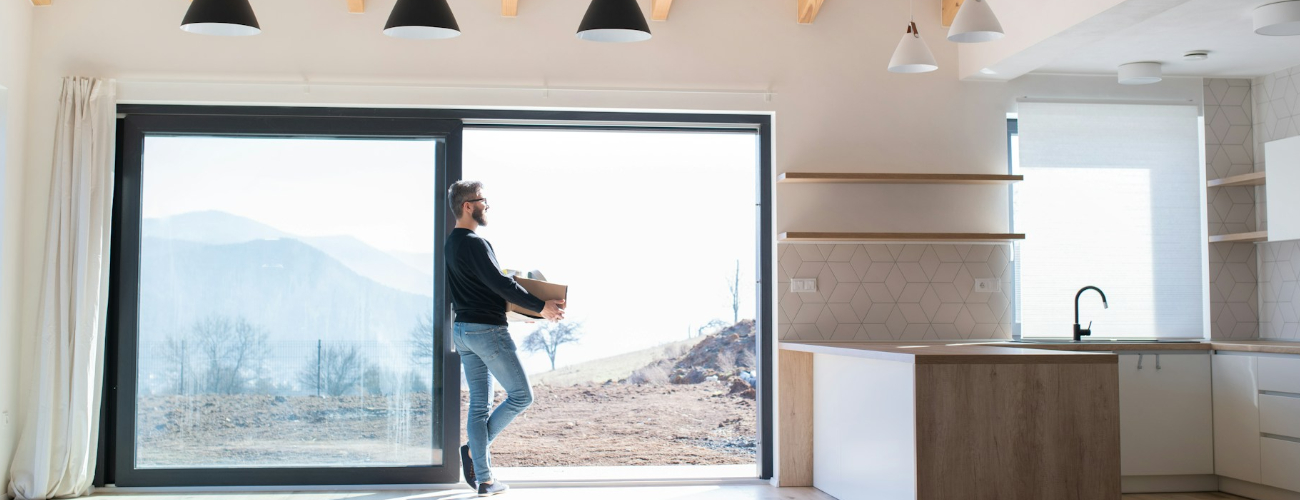
Smart Windows: The Future of Energy Efficiency
In the evolving world of home renovation, energy efficiency remains a top priority for homeowners looking to reduce utility bills and increase comfort. One of the most innovative advancements in this field is the development of smart windows. These are not your average windows; they are high-tech solutions designed to optimize energy use and enhance the living environment. Let’s dive into what makes smart windows a game-changing feature in modern homes.
What are Smart Windows?
Smart windows, also known as dynamic glazing or switchable windows, incorporate technology that allows them to change their properties based on external conditions. This can include adjustments in light transmittance, heat insulation, and even UV radiation blocking. Essentially, smart windows can adapt to optimize both natural lighting and interior temperature, which traditional windows cannot achieve.
Types of Smart Windows
- Electrochromic Windows: These windows darken or lighten electronically when a small electric charge is applied. The change is gradual and can significantly reduce the heat entering a home, lowering air conditioning costs.
- Thermochromic Windows: These are sensitive to temperature. As it gets hotter outside, the windows automatically become tinted to block out heat, maintaining a cooler interior without any electrical input.
- Photochromic Windows: Similar to glasses that darken in sunlight, photochromic windows change their tint when exposed to direct sunlight, helping to reduce glare and heat inside the home.
- Suspended Particle Device (SPD) Windows: These windows allow users to adjust the shading of the glass from clear to dark at the push of a button. They use a film sandwiched between layers of glass, containing particles that align when electricity is applied, changing the tint of the window.
Benefits of Smart Windows
- Energy Efficiency: By controlling the amount of heat and light that enters the home, smart windows can significantly decrease the reliance on air conditioning in the summer and heating in the winter, leading to substantial energy savings.
- Comfort: Smart windows enhance comfort by reducing glare and preventing the buildup of heat during sunny days, ensuring a more consistent indoor temperature.
- UV Protection: Many smart windows can block harmful UV rays, which protects furniture, artworks, and fabrics from fading.
- Privacy: With the ability to become opaque, smart windows provide an instant privacy option without the need for curtains or blinds.
- Aesthetic and Space Saving: Smart windows offer a sleek, modern look and save space by eliminating the need for external window treatments.
Considerations Before Installing Smart Windows
- Cost: Smart windows are a significant investment compared to traditional windows. The initial cost can be high, but this should be weighed against long-term savings in energy bills.
- Integration: For the best results, smart windows should be integrated into a broader smart home system. This allows for automated adjustments based on time of day, weather conditions, and personal preferences.
- Professional Installation: Due to their complexity, smart windows should be installed by professionals with experience in dynamic glazing technologies.
Conclusion
Smart windows represent the forefront of energy-efficient technology in home design. While the upfront cost might be higher than traditional windows, the benefits they provide in terms of energy savings, comfort, and functionality make them an appealing choice for modern renovations. As more homeowners look to reduce their carbon footprint and enhance their living spaces, smart windows are poised to become a standard feature in the homes of the future.