

Silencing the Sound: Mastering Room Soundproofing for Serenity
In a world filled with noise, having a quiet and peaceful sanctuary at home is essential for relaxation, focus, and well-being. Whether you’re dealing with noisy neighbors, traffic sounds, or household disturbances, soundproofing a room can significantly improve your quality of life. In this blog post, we’ll explore effective strategies and techniques for soundproofing a room to create a tranquil and serene environment where you can unwind and recharge.
Understanding Sound Transmission
Before delving into soundproofing techniques, it’s essential to understand how sound travels and penetrates through walls, floors, and ceilings. Sound is transmitted through vibrations in the air, which can pass through solid materials such as walls and floors. There are two main types of sound transmission to consider:
- Airborne Sound: Airborne sound travels through the air and can be generated by sources such as voices, music, or television. It can easily pass through walls, windows, and doors, causing disturbances in adjacent rooms or neighboring properties.
- Impact Sound:
By understanding the types of sound transmission, you can identify the most effective soundproofing solutions for your specific needs and requirements.
Soundproofing Materials and Techniques
There are several soundproofing materials and techniques available to effectively reduce airborne and impact noise in a room. Here are some popular options to consider:
- Soundproofing Insulation: Installing soundproofing insulation, such as fiberglass or mineral wool, within the walls, floors, and ceilings can help absorb and dampen airborne sound. These materials are dense and porous, making them effective at reducing noise transmission between rooms.
- Mass-Loaded Vinyl (MLV): Mass-loaded vinyl is a dense and flexible material that can be applied to walls, floors, and ceilings to block airborne sound transmission. MLV acts as a barrier, absorbing and reflecting sound waves to prevent them from passing through.
- Acoustic Panels: Acoustic panels are designed to absorb and diffuse sound waves, reducing reverberation and echo within a room. These panels can be installed on walls and ceilings to improve acoustics and minimize noise transmission. They come in a variety of sizes, shapes, and designs to suit different aesthetic preferences.
- Resilient Channels: Resilient channels are metal or plastic strips that are attached to wall studs or ceiling joists to decouple drywall from the structure, reducing the transmission of impact noise. By isolating the drywall from the framing, resilient channels help prevent vibrations from traveling through the walls or ceilings.
- Double Glazing: Double or triple glazing windows can significantly reduce airborne sound transmission from outside sources, such as traffic or neighbors. The multiple layers of glass, separated by an air gap, act as a barrier to sound waves, providing enhanced insulation and noise reduction.
- Sealing and Caulking: Proper sealing and caulking of gaps, cracks, and openings in walls, windows, and doors can help prevent sound leakage and infiltration. Use acoustic sealant or weatherstripping to seal gaps around window frames, door jambs, and electrical outlets to minimize air leakage and sound transmission.
Room Layout and Furniture Placement
In addition to soundproofing materials and techniques, the layout and furniture placement within a room can also impact sound transmission and acoustics. Here are some tips for optimizing the room layout to minimize noise disturbances:
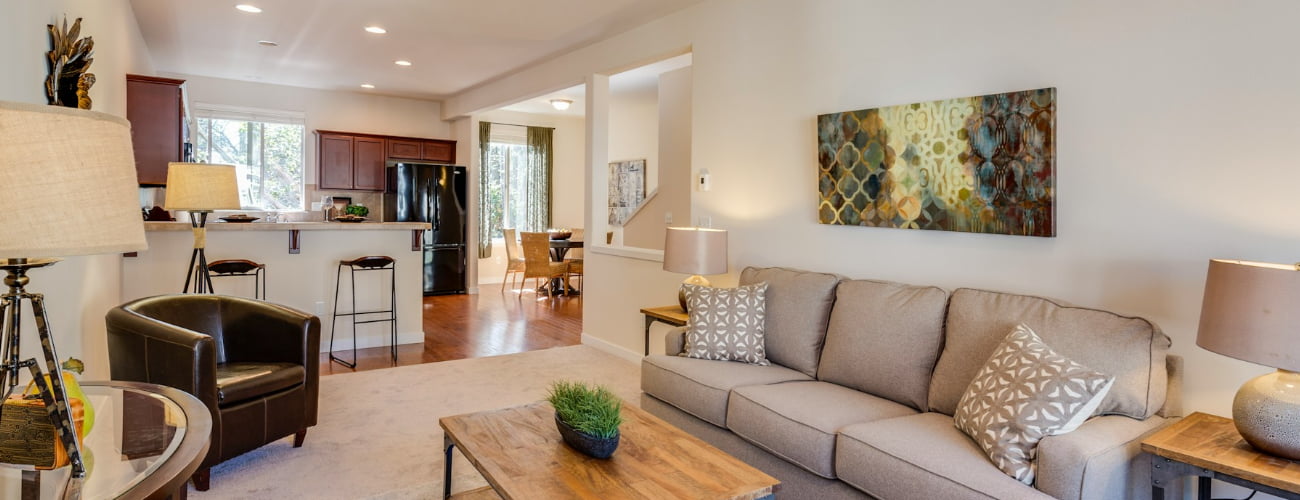
- Furniture Arrangement: Arrange furniture strategically to absorb and scatter sound waves, reducing reverberation and echo within the room. Use plush upholstered furniture, area rugs, and curtains to dampen sound and create a softer acoustic environment.
- Bookshelves and Wall Hangings: Incorporate bookshelves, wall hangings, and other decorative elements to break up large wall surfaces and absorb sound reflections. Books, artwork, and textiles can help reduce noise reverberation and create a more balanced and pleasant acoustic environment.
- Thick Carpets and Rugs: Installing thick carpets or rugs on floors can help absorb impact noise from footsteps and furniture movement, reducing noise transmission between floors. Choose dense and cushioned materials to provide effective sound insulation and comfort underfoot.
- Soundproofing Doors: Upgrade interior doors to solid-core or soundproof doors to block airborne sound transmission between rooms. Install door sweeps, seals, and weatherstripping to minimize gaps and ensure a tight seal when the door is closed.
- Ceiling Treatments: Consider installing acoustic ceiling tiles or panels to absorb sound reflections and reduce noise transmission through the ceiling. These panels are designed to absorb sound waves and improve acoustics, creating a quieter and more comfortable environment.
Professional Soundproofing Solutions
For homeowners seeking maximum soundproofing performance, professional soundproofing solutions may be necessary. Soundproofing experts can assess your home’s specific acoustical needs and recommend customized solutions to address noise issues effectively. Professional soundproofing solutions may include:
- Mass-Loaded Vinyl Barrier Walls: Constructing additional barrier walls using mass-loaded vinyl or other dense materials to create a soundproof enclosure within a room.
- Soundproofing Underlayment: Installing soundproofing underlayment beneath flooring materials to reduce impact noise transmission between floors.
- Isolation Mounts and Decoupling Systems: Using isolation mounts, resilient flooring, or decoupling systems to isolate floors, walls, and ceilings from the structure to minimize vibrations and noise transmission.
- Acoustic Treatment Packages: Installing comprehensive acoustic treatment packages, including soundproofing materials, acoustic panels, and professional installation services, to achieve optimal soundproofing results.
Conclusion:
Soundproofing a room is an effective way to create a peaceful and quiet environment where you can relax, work, and enjoy leisure activities without disturbance. By understanding the principles of sound transmission and implementing soundproofing materials, techniques, and professional solutions, you can minimize noise disturbances and enhance the comfort and livability of your home. Whether you’re dealing with noisy neighbors, traffic sounds, or household disturbances, investing in soundproofing can provide lasting benefits and improve your quality of life for years to come.