

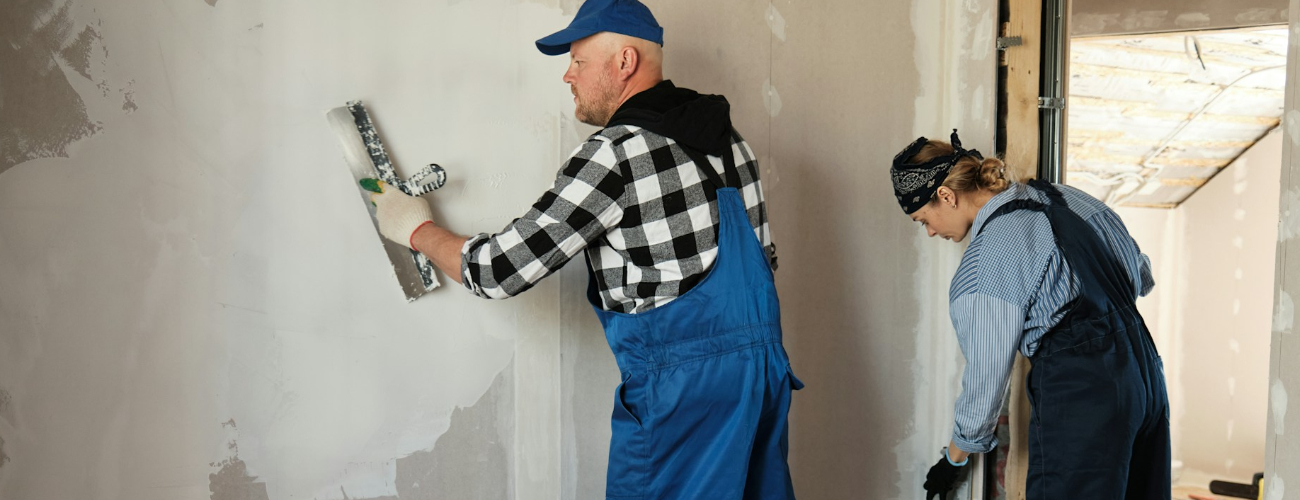
How to Save Money on Leveling Walls: Effective Tips and Techniques
Leveling walls during a renovation or a new construction project is crucial for both aesthetic and structural reasons. However, this process can often be costly, especially if you encounter severely uneven surfaces. Fortunately, there are several strategies you can employ to save money while ensuring your walls are perfectly smooth and ready for finishing. This blog post will explore practical tips and cost-effective techniques for leveling walls without breaking the bank.
Assess the Situation Carefully
Evaluate the Extent of Unevenness: Before deciding on the approach, closely assess how uneven your walls are. Use a long level or a laser level to identify the high and low spots. This will help you determine whether you can manage with a lighter fix such as spackling or if you need more extensive work like plastering or drywalling.
DIY or Professional Help: Consider if this is a project you can do yourself or if you need professional help. Simple patching can be done DIY, but for more extensive leveling involving structural changes, hiring a professional might be necessary and safer.
Choose Cost-Effective Materials and Methods
Spackle for Small Fixes: For minor imperfections, spackle is an inexpensive and effective solution. It is easy to apply and sand down, making it ideal for DIY projects.
Plaster vs. Drywall: Traditional plaster is more expensive than drywall. If the wall surface requires extensive leveling, opting for drywall might be a more economical and quicker solution. Drywall installation is generally easier and more forgiving than plastering.
Use Self-Leveling Compounds: For moderate unevenness, consider using a self-leveling compound. These compounds can be poured over the surface and then smoothed out, filling dips and making the wall level. They’re particularly effective on concrete walls and can save money on labor costs.
Implement Smart Preparation Techniques
Proper Surface Preparation: Ensure that the wall surface is clean and free of dust, dirt, and loose particles before starting any leveling work. Good preparation will increase the adherence of whichever material you choose to use, reducing the likelihood of future repairs.
Bulk Buying: If you are leveling multiple rooms or a large area, buy materials in bulk. Many stores offer discounts for large purchases, which can significantly reduce the overall cost.
Reduce Waste
Accurate Measurements and Calculations: Be precise in your measurements and calculations to avoid buying more material than necessary. This reduces waste and ensures you only pay for what you actually need.
Reuse and Recycle: Whenever possible, reuse scraps or leftover materials from other parts of your renovation project to patch or level walls. This not only saves money but is also good for the environment.
Opt for Longer-Term Savings
Invest in Quality: While it might seem counterintuitive when trying to save money, investing in high-quality materials and tools can save you money in the long run by reducing the need for future repairs.
Energy Efficiency: Properly leveled and smooth walls can help ensure better installation of insulation and more efficient application of finishes, both of which can improve energy efficiency in your home, leading to savings on utility bills.
Conclusion
Saving money on leveling walls requires a balance between doing some of the work yourself, choosing the right materials, and knowing when to call in professionals for help. By assessing the extent of the work needed, preparing surfaces thoroughly, and using materials wisely, you can effectively reduce costs without compromising on the quality or longevity of your renovation. Remember, the goal is to achieve a smooth, durable wall finish that enhances your home’s appeal and value while staying within budget.