

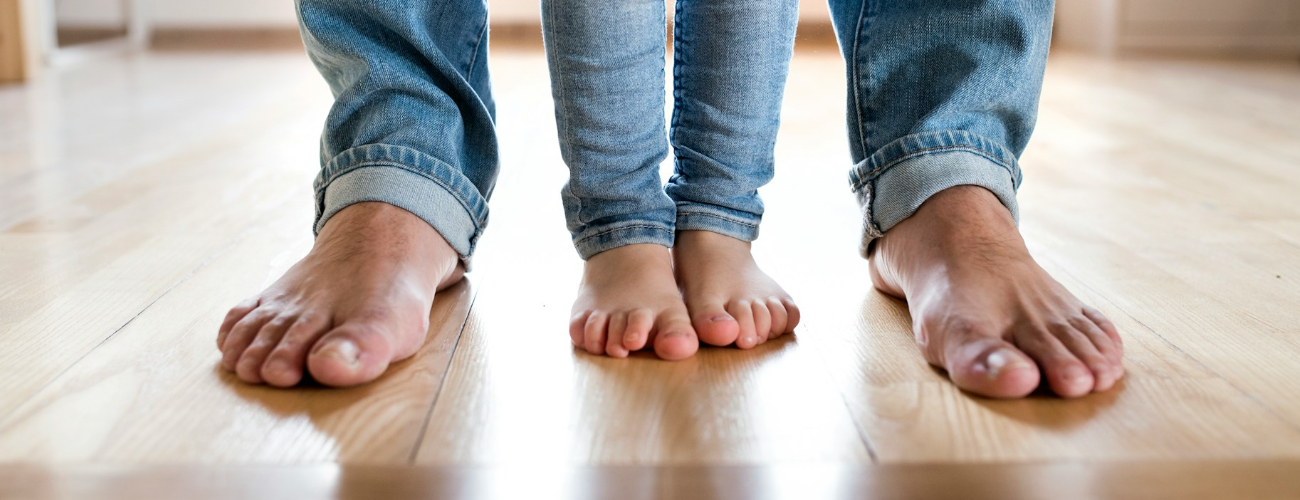
Safe and Stylish Flooring for Children’s Rooms
Designing a child’s room involves more than just bright colors and playful décor—it’s also about creating a safe, comfortable, and functional space that can handle everything from toddler tumbles to teen hobbies. One of the most important (and often overlooked) elements in a child’s room is the flooring. It must be safe, durable, easy to clean, and ideally, stylish enough to grow with your child. In this post, we’ll explore the best flooring options for kids’ rooms and what to consider when making your choice.
Key Considerations for Kids’ Room Flooring
Before diving into material options, it’s important to understand the essential factors that flooring in a child’s room should meet:
- Safety: Softness underfoot and slip resistance are critical, especially for younger children who are learning to walk or play on the floor.
- Durability: Kids can be tough on floors, with spills, scratches, and heavy toys. Your flooring should be able to withstand rough use.
- Easy Maintenance: From juice spills to paint splatters, easy cleanup is a must.
- Comfort: A comfortable surface makes a big difference for playing, reading, or lying down.
- Style and Longevity: Choose a flooring option that looks good and won’t feel outdated as your child grows.
Cork Flooring: Soft and Eco-Friendly
Cork is a top choice for children’s rooms thanks to its natural softness and cushioning effect. It’s made from renewable resources, making it an eco-friendly option as well.
Pros:
- Naturally soft and warm underfoot
- Antimicrobial and hypoallergenic
- Absorbs sound, which is helpful in noisy play areas
- Resistant to mold and mildew
Cons:
- Prone to scratches and dents from heavy furniture or sharp objects
- Needs sealing to prevent moisture damage
Carpet: Cozy and Comfortable
Carpet remains a classic choice for nurseries and kids’ bedrooms due to its plush texture and warmth. It provides excellent cushioning for falls and is comfortable for sitting and playing.
Pros:
- Soft and warm, perfect for young children
- Reduces noise
- Available in countless colors and patterns
Cons:
- Can stain easily if not treated with a stain-resistant finish
- May harbor allergens if not vacuumed regularly
- Less durable than hard flooring in high-traffic areas
For best results, opt for low-pile carpet with built-in stain resistance and use area rugs that are easy to remove and clean.
Vinyl Flooring: Durable and Water-Resistant
Luxury vinyl plank (LVP) and sheet vinyl are excellent choices for active children. They mimic the look of wood or tile while offering a soft, resilient surface that’s waterproof and highly durable.
Pros:
- Scratch- and water-resistant
- Easy to clean and maintain
- Available in kid-friendly designs or wood-look finishes
Cons:
- Not as soft as cork or carpet
- Requires a smooth subfloor for proper installation
Vinyl is ideal for rooms where arts and crafts, messy snacks, or pet activities take place regularly.
Rubber Flooring: Safe and Shock-Absorbing
Rubber flooring is often found in gyms and play centers, but it’s also a great fit for kids’ rooms, especially playrooms. It provides superior cushioning and slip resistance.
Pros:
- Extremely durable and impact-absorbing
- Easy to clean and waterproof
- Available in colorful designs and interlocking tiles
Cons:
- Limited design versatility for more stylish or mature room aesthetics
- Can have a slight odor when new
If your child is highly active or prone to rough play, rubber tiles can be installed in part of the room for extra protection.
Hardwood with Area Rugs: Stylish and Long-Lasting
Hardwood is elegant and adds value to any home, making it a smart long-term investment. While it may not be the softest option, it can be paired with area rugs to make it more child-friendly.
Pros:
- Timeless and durable
- Can be refinished as needed
- Matches evolving room décor
Cons:
- Harder surface, less forgiving for falls
- Susceptible to scratches and water damage
Choose rugs with non-slip backing for safety and look for hardwoods with a tough finish to increase resistance to daily wear and tear.
Final Thoughts
When selecting flooring for a child’s room, there’s no one-size-fits-all answer. The best choice depends on your child’s age, daily activities, and personal design preferences. Cork and rubber offer the most softness and safety, while vinyl and hardwood provide durability and style. Carpet creates a cozy atmosphere but requires regular cleaning to stay fresh.
Ultimately, a combination approach often works best—such as pairing a hard surface with soft area rugs to strike the perfect balance between comfort, style, and practicality. Whatever you choose, focus on materials that promote safety, support active play, and create a welcoming space for your child to grow and thrive.