

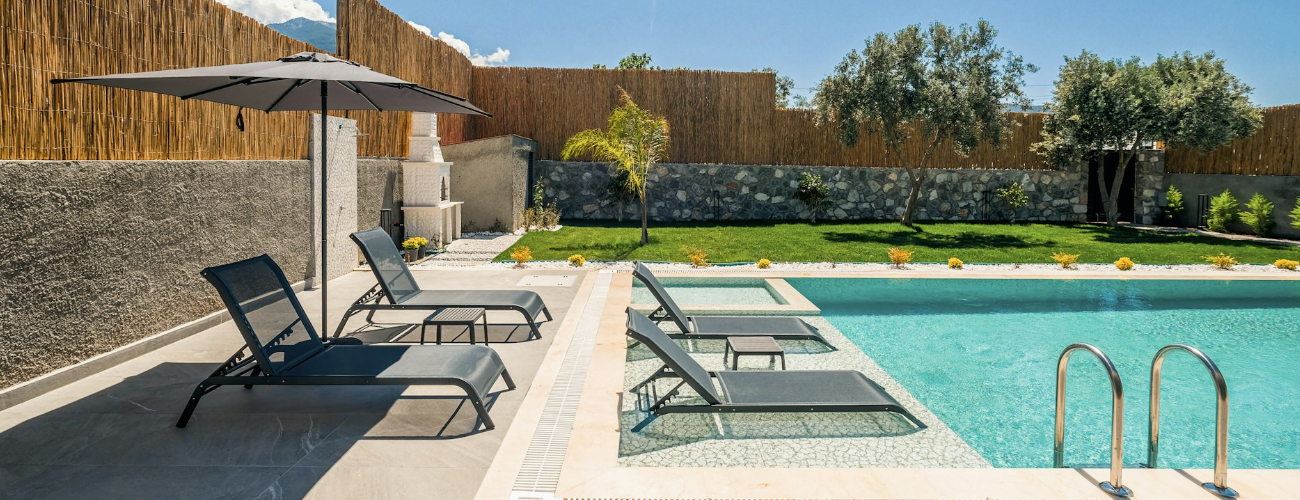
Resurfacing and Updating Your Pool: A Comprehensive Guide
A swimming pool is often the centerpiece of a home’s outdoor space, offering a place for relaxation, entertainment, and exercise. However, over time, the pool’s surface can become worn, stained, or outdated, detracting from its appearance and functionality. Resurfacing and updating your pool not only enhances its aesthetic appeal but also extends its lifespan and improves safety. This detailed blog post explores the reasons, options, and tips for resurfacing and updating your pool, transforming it into a pristine and inviting oasis.
Why Resurface Your Pool?
- Wear and Tear: Constant exposure to chemicals, weather, and UV rays can degrade your pool’s surface, leading to cracks, peeling, and discoloration.
- Improved Aesthetics: A fresh surface can completely change the look of your pool, updating it with modern materials and colors.
- Increased Safety: Resurfacing eliminates rough spots that can cause scrapes and cuts, making the pool safer for everyone.
- Enhanced Property Value: An updated pool can increase the attractiveness and value of your property, a significant advantage if you’re considering selling your home.
Pool Resurfacing Materials
Choosing the right material for resurfacing your pool is crucial for both the appearance and longevity of the investment. Here are some popular options:
- Plaster: Traditional white plaster is the most common and cost-effective resurfacing material. It can last 5-10 years with proper maintenance. Colored plaster is also available to add a unique tint to the pool water.
- Pebble: This finish consists of cement mixed with small pebbles or stones and offers a more natural look. Pebble finishes are more durable than plaster, lasting about 15-20 years.
- Quartz: Incorporating quartz into the plaster mix increases the durability and stain resistance of the pool surface. Quartz finishes combine the beauty of plaster with enhanced longevity, typically lasting 10-15 years.
- Tile: Ceramic or glass tiles are premium options that offer limitless design possibilities and can last more than 20 years. They are resistant to chemicals and UV radiation, making them ideal for pools.
- Fiberglass: A fiberglass liner offers a smooth finish and is quick to install. However, it’s generally used for renovating older fiberglass pools rather than concrete or gunite pools.
Steps in the Pool Resurfacing Process
- Draining the Pool: The first step in resurfacing is to safely drain the pool to avoid any damage to its structure.
- Cleaning and Preparing the Surface: This involves chipping away the old finish, sanding the surface to create a smooth base, and repairing any cracks or damages.
- Applying the New Surface: Depending on the chosen material, this can involve plastering, laying tiles, or applying a fiberglass shell.
- Curing the Surface: Most resurfacing materials require several days to cure. During this time, the pool must remain filled with water while chemicals are balanced to protect the new surface.
Tips for Updating Your Pool Area
While the pool is being resurfaced, it’s an excellent time to make other updates to enhance the pool area:
- Update Pool Deck: Resurface or replace old decking to complement the new look of your pool. Materials like pavers, stamped concrete, or natural stone can improve aesthetics and safety.
- Add Modern Features: Consider installing new features such as LED underwater lights, waterfalls, or a hot tub.
- Improve Energy Efficiency: Update pumps, heaters, and filtration systems to more energy-efficient models to reduce running costs and environmental impact.
- Revamp Landscaping: Integrate new landscaping elements like planting beds, privacy bushes, or a poolside garden to enhance the tranquility and privacy of your pool area.
Conclusion
Resurfacing and updating your pool can breathe new life into your outdoor living space. By selecting the right materials and incorporating modern features and efficient systems, you can create a stunning and sustainable pool environment that will serve as a delightful retreat for many years. Remember, the key to a successful pool renovation is careful planning and professional execution.