

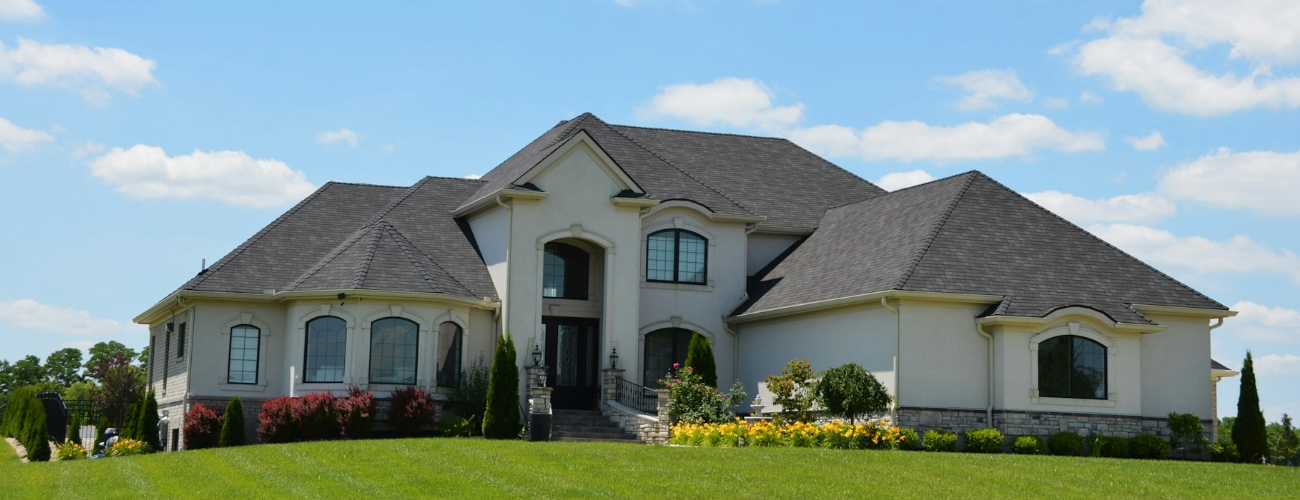
Neutral Stucco Palettes That Never Go Out of Style
Stucco has long been a favorite exterior finish for homeowners and designers alike. Its durability, texture, and versatility make it ideal for a wide range of architectural styles—from Mediterranean villas to modern minimalistic homes. Yet what truly defines the look of stucco is color. Neutral palettes, in particular, offer timeless elegance that never fades with trends. Soft, balanced hues allow a home to blend harmoniously with its surroundings while maintaining a refined and sophisticated character.
Why Neutral Colors Work So Well
Neutral stucco colors are enduring because they evoke calm, balance, and natural beauty. Shades like beige, taupe, ivory, and soft gray create a sense of warmth and stability. They complement almost any architectural detail, from wooden beams and stone facades to metal trims and glass. Unlike bold colors, neutrals age gracefully, showing less fading over time and keeping the home’s exterior looking fresh and polished for years.
Another reason for their popularity is adaptability. Neutral tones serve as the perfect canvas for other design elements—doors, windows, landscaping, or roof materials—allowing homeowners to easily change accents without repainting the entire house.
Classic Warm Neutrals
Warm neutrals, such as creamy beige, sandy tan, or light caramel, evoke a welcoming, sunlit atmosphere. These tones are especially suited to Mediterranean, Spanish Colonial, and Southwestern-style homes where earthy colors reflect the warmth of the landscape.
Pairing warm stucco hues with terracotta roof tiles or natural wood shutters enhances their charm and authenticity. For example, a soft sandstone finish paired with dark walnut trim creates beautiful contrast and depth. These combinations feel inviting and grounded, connecting the home to its environment.
Cool and Modern Grays
Cool gray stucco tones bring a sleek, modern edge to traditional materials. Light gray exteriors create an airy, contemporary feel, while darker charcoal tones introduce drama and sophistication. Gray pairs exceptionally well with black-framed windows, white trim, or metal roofing, making it a favorite for modern, industrial, or minimalist homes.
To avoid a cold or flat appearance, mix gray stucco with natural elements like stone, cedar, or greenery. This combination balances modern precision with organic warmth, resulting in a look that feels both stylish and timeless.
Soft Whites and Ivory Shades
White stucco has an enduring appeal that transcends eras and design movements. It reflects sunlight beautifully, making homes appear bright and spacious. Classic white or off-white stucco complements nearly every architectural style—from coastal cottages and Tuscan villas to Scandinavian-inspired homes.
Ivory and cream variations soften the starkness of pure white, adding warmth while maintaining elegance. Paired with black or dark bronze accents, these tones achieve a clean, sophisticated contrast. For a subtler look, combine ivory stucco with muted roof colors and light wood details to evoke a coastal or Mediterranean vibe.
Taupe and Greige: Perfectly Balanced Tones
Taupe and greige (a mix of gray and beige) are some of the most versatile choices in neutral stucco design. They adapt beautifully to both warm and cool color schemes, providing a bridge between classic and modern aesthetics. Taupe creates a sense of understated luxury, especially when combined with stone veneer or wrought iron details.
Greige, on the other hand, offers a sophisticated neutrality that pairs well with both warm and cool accent tones. It’s particularly appealing for transitional homes that blend traditional architecture with contemporary finishes.
Accents and Trim That Elevate Neutrals
The right accents can make a neutral stucco façade stand out. Black or bronze metal details bring contrast and modernity, while natural wood adds warmth and texture. White trim against beige stucco feels crisp and classic, while gray trim against white stucco lends a contemporary edge.
For a cohesive exterior, coordinate your stucco color with roofing materials, window frames, and landscaping. Even subtle differences in undertones—whether warm or cool—can dramatically change the mood of your home.
Timeless Appeal Through Texture
Stucco’s texture also influences how color appears. Smooth finishes reflect light evenly, creating a clean, elegant surface, while rough or troweled textures add dimension and visual interest. Light neutrals appear softer and more natural on textured surfaces, emphasizing the hand-crafted quality of stucco.
Final Thoughts
Neutral stucco palettes stand the test of time because they balance sophistication, comfort, and versatility. They let architectural features shine without overwhelming the design, and they blend effortlessly into various landscapes. Whether you choose warm beige, cool gray, or creamy ivory, these shades ensure your home remains elegant, inviting, and relevant year after year. In a world of fleeting trends, neutrals remind us that true beauty often lies in simplicity.