

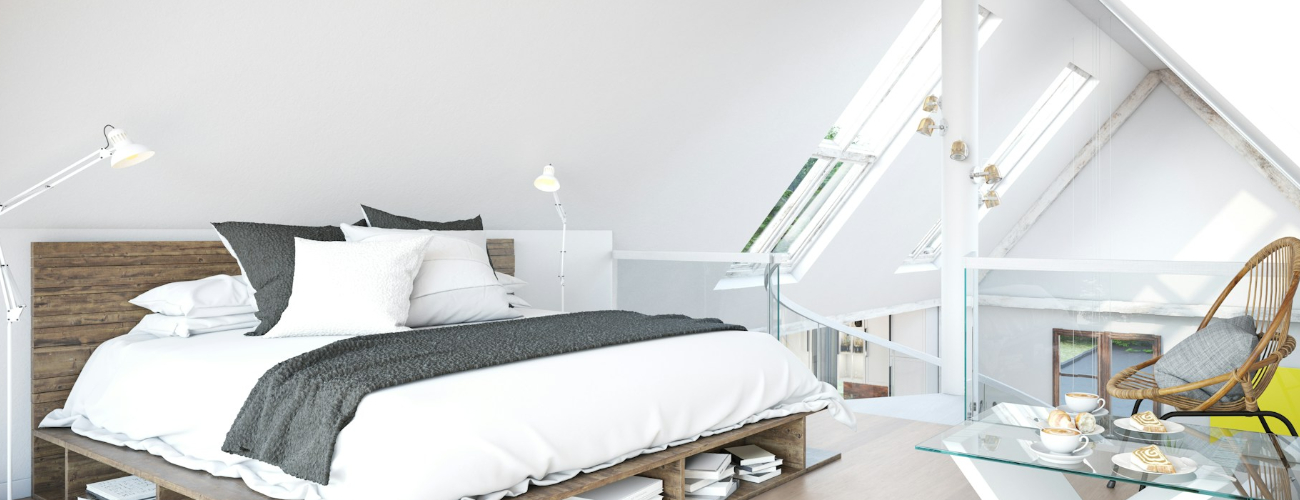
Multi-Purpose Attic Rooms: Design Strategies
Attic spaces are no longer limited to storage or seasonal use. With thoughtful planning, an attic can become a highly functional, multi-purpose room that adapts to changing needs over time. Whether used as a home office, guest room, playroom, or creative studio, a well-designed attic can serve several purposes without feeling cluttered or compromised. The key lies in flexible layouts, smart storage, and intentional design choices.
Start With a Clear Functional Plan
Before designing a multi-purpose attic, it is essential to identify its primary and secondary uses. A space that functions as a home office during the day and a guest room at night will require different solutions than one used as a playroom and storage area. Defining priorities helps guide decisions about layout, furniture, lighting, and electrical planning.
Clear zoning is especially important in attics, where sloped ceilings and limited headroom can restrict usable areas. Assigning specific functions to areas with the best ceiling height ensures comfort and efficiency.
Use Flexible Furniture Solutions
Furniture plays a central role in making an attic adaptable. Multi-functional pieces such as sofa beds, fold-down desks, wall-mounted tables, and storage ottomans allow the space to change purpose easily. Murphy beds are particularly effective in attic rooms, freeing up floor space when the bed is not in use.
Modular furniture systems provide flexibility as needs evolve. Lightweight pieces that can be moved or reconfigured help maintain openness and prevent the attic from feeling overcrowded.
Create Visual Zones Without Full Walls
Permanent walls can limit flexibility in multi-purpose attic rooms. Instead, visual zoning helps define areas while maintaining openness. Area rugs, ceiling treatments, furniture placement, or changes in lighting can subtly separate functions without enclosing the space.
Sliding panels, curtains, or partial partitions offer privacy when needed and can be opened to restore a unified layout. This approach preserves natural light and keeps the attic feeling spacious.
Maximize Built-In Storage
Attics often include awkward corners and low-clearance areas that are unsuitable for regular furniture. These spaces are ideal for built-in storage solutions. Custom cabinets, drawers, and shelving under sloped ceilings make efficient use of every inch while keeping the room organized.
Built-in storage reduces clutter and supports multi-purpose use by allowing quick transitions between activities. Concealed storage is especially valuable when the attic serves both practical and living functions.
Optimize Lighting for Multiple Uses
Lighting must support every function the attic performs. A layered lighting strategy works best, combining ambient, task, and accent lighting. Recessed fixtures or track lighting provide general illumination without lowering the ceiling visually.
Task lighting is essential for workspaces, reading areas, or hobby zones, while softer accent lighting enhances comfort during relaxation or overnight use. Dimmers allow lighting levels to be adjusted easily as the room’s purpose changes throughout the day.
Choose Durable and Neutral Finishes
Multi-purpose attic rooms benefit from durable materials that can withstand frequent changes in use. Flooring should be resilient and easy to maintain, especially if the space accommodates children, guests, or creative activities.
Neutral color palettes create visual continuity and allow the room to adapt to different functions without redesign. Subtle textures and layered materials add warmth without overwhelming the space.
Design for Future Adaptability
A successful multi-purpose attic is designed with flexibility in mind. Electrical outlets, data connections, and storage should anticipate future needs. Leaving room for adjustment ensures the attic remains functional as lifestyles change.
Turning Attics Into Versatile Living Spaces
With strategic planning and thoughtful design, an attic can become one of the most versatile areas in a home. By combining flexible furniture, smart storage, adaptable lighting, and clear zoning, a multi-purpose attic room can meet diverse needs while remaining comfortable, organized, and visually cohesive.