

Modern vs. Traditional Attic Renovation Styles
When it comes to transforming your attic, one of the most important design decisions is choosing between a modern or traditional renovation style. Both approaches offer unique advantages and can dramatically change the atmosphere of your home. The style you select will influence everything from materials and color schemes to furniture and lighting choices. Understanding the differences between modern and traditional attic renovation styles can help you create a space that reflects your taste while blending seamlessly with the rest of your home.
The Essence of Modern Attic Design
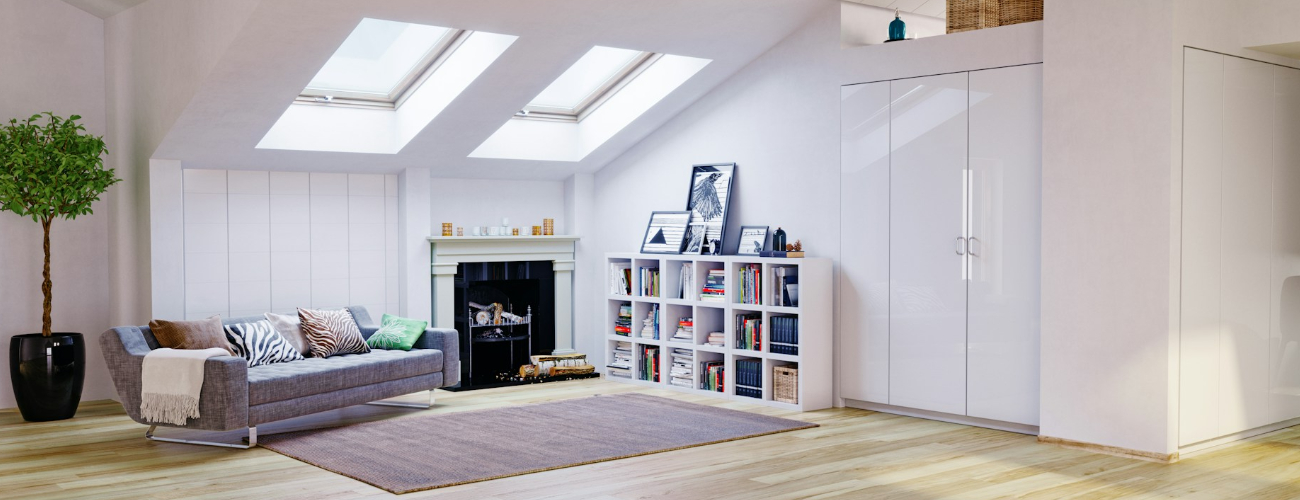
A modern attic renovation focuses on simplicity, functionality, and open space. Clean lines, minimal decor, and neutral color palettes define this style. The goal is to create a bright, airy environment that feels uncluttered and efficient. In a modern attic, you’ll often see skylights or large windows that flood the space with natural light, paired with sleek finishes like polished concrete, glass, and metal. Built-in storage solutions and multi-functional furniture help maximize space without overwhelming the design.
Lighting plays a major role in modern attic interiors. Recessed ceiling lights, LED strips, and minimalist fixtures help maintain a smooth, streamlined look. The emphasis is on open layouts that make the attic feel larger and more connected to the rest of the home. If you want to turn your attic into an office, studio, or guest suite, a modern style is ideal because it promotes clarity and calmness — perfect for both productivity and relaxation.
The Charm of Traditional Attic Design
Traditional attic renovations embrace warmth, comfort, and classic details. They often highlight the original architectural elements of the attic, such as exposed wooden beams, brick walls, or rustic flooring. Soft lighting, warm color tones, and decorative trim add to the charm of a traditional design. This approach works particularly well in older homes where the goal is to preserve character while improving functionality.
Furnishings in traditional attics tend to be more ornate, featuring rich wood textures, vintage-inspired fabrics, and timeless accessories like chandeliers or antique mirrors. The layout is typically more defined, with separate zones for sleeping, reading, or storage. A traditional attic bedroom or reading nook, for example, feels cozy and inviting — a peaceful retreat from the rest of the house. The key is to balance nostalgic charm with modern comfort through thoughtful material choices and subtle updates.
Comparing Functionality and Feel
While modern and traditional attic designs differ in appearance, they also create different moods. Modern attics feel spacious and light, ideal for those who appreciate minimalist living and contemporary aesthetics. Traditional attics, on the other hand, evoke warmth and familiarity, appealing to homeowners who value comfort and craftsmanship.
Functionally, modern designs often emphasize efficiency and adaptability. They make the best use of awkward spaces through modular furniture and hidden storage. Traditional designs may focus more on ambiance and decorative detail, sometimes sacrificing a bit of space efficiency for visual appeal. The best choice depends on your lifestyle — whether you prefer a sleek, streamlined loft or a charming, character-filled retreat.
Blending the Two Styles
Many homeowners choose to combine modern and traditional elements to achieve a balanced look known as transitional design. For example, a renovated attic might feature modern skylights and minimalist furniture paired with reclaimed wood beams or vintage decor. This approach allows for flexibility — you can enjoy the clean functionality of modern design while keeping the warmth and depth of traditional elements.
Final Thoughts
Whether you’re drawn to the crisp sophistication of modern design or the timeless comfort of a traditional style, an attic renovation offers endless creative opportunities. Modern renovations focus on openness, light, and simplicity, while traditional styles emphasize texture, warmth, and history. By defining your vision early and understanding what each style brings to the space, you can transform your attic into a stunning and functional extension of your home — one that truly reflects your personal style and enhances your living environment.