

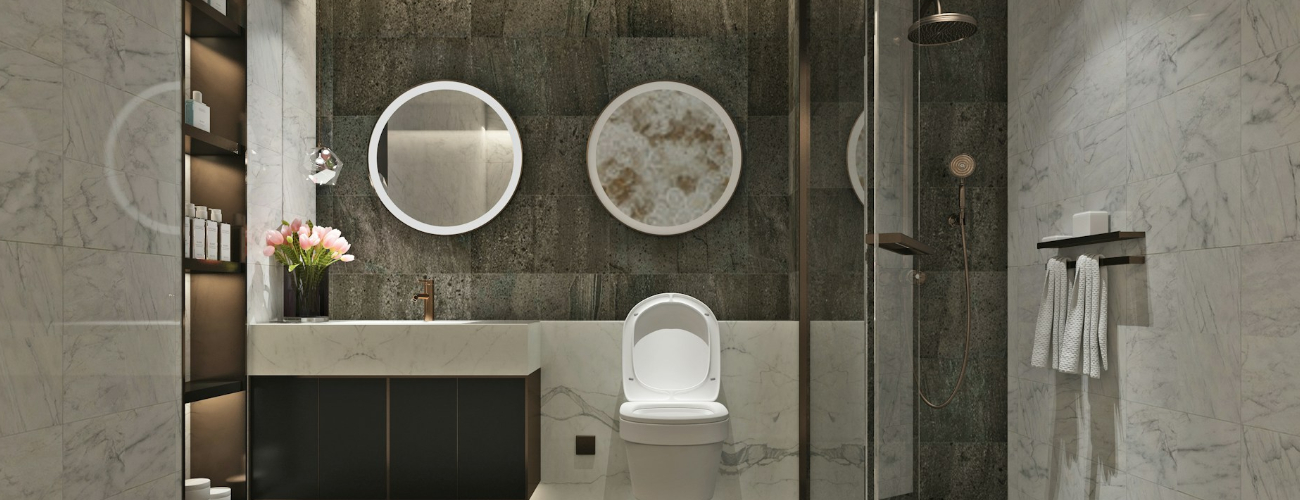
Modern vs. Classic Bathroom Design Styles
Bathrooms are no longer purely functional spaces — they’ve evolved into personal sanctuaries where design and comfort meet. Whether you’re planning a full remodel or a simple upgrade, choosing between modern and classic bathroom styles can set the tone for your entire home. Both aesthetics offer beauty and practicality, but they differ in materials, lines, colors, and atmosphere. Understanding what defines each style will help you decide which one aligns best with your vision and lifestyle.
The Essence of Modern Bathroom Design
Modern bathroom design embraces simplicity, functionality, and clean geometry. Rooted in the idea that less is more, modern spaces prioritize open layouts, minimal clutter, and smooth, uninterrupted surfaces. The goal is to create a sleek and calming environment that feels both sophisticated and efficient.
Materials and Finishes:
Modern bathrooms favor materials like glass, metal, concrete, and engineered stone. Surfaces are typically smooth and reflective — think glossy tiles, polished chrome fixtures, and frameless glass showers. Floating vanities and wall-mounted toilets help maximize space and create a light, airy feel. Matte finishes have also gained popularity in modern design for their refined, understated elegance.
Color Palette:
The color scheme in a modern bathroom is typically neutral and monochromatic. Shades of white, gray, black, and beige dominate, often accented by subtle natural tones such as wood or stone. For contrast, many homeowners add a pop of color through towels, plants, or artwork. The emphasis remains on balance, harmony, and visual calmness.
Lighting and Details:
Lighting is an essential element in modern bathrooms. Recessed fixtures, LED strips, and backlit mirrors provide both practicality and ambiance. Natural light is also a key component — large windows or skylights help soften the minimalist look and make the space feel more inviting.
Overall Atmosphere:
Modern bathrooms evoke a sense of clarity and serenity. With clean lines, open layouts, and thoughtful lighting, they’re ideal for homeowners who appreciate contemporary aesthetics and uncluttered design.
The Timeless Appeal of Classic Bathroom Design
Classic bathroom design, by contrast, draws inspiration from historical architecture and timeless craftsmanship. It emphasizes elegance, symmetry, and ornate detail while maintaining warmth and comfort. A classic bathroom feels rich and inviting, with textures and materials that tell a story of tradition.
Materials and Finishes:
Natural materials are central to classic design. Marble countertops, ceramic tiles, and wood cabinetry add depth and character. Brass, bronze, or gold fixtures contribute to a sense of luxury, while clawfoot tubs and pedestal sinks serve as iconic focal points. Crown molding, wainscoting, and decorative trim elevate the aesthetic with refined sophistication.
Color Palette:
The classic color palette leans toward warm, inviting tones. Soft creams, beiges, muted blues, and sage greens create an atmosphere of comfort and timelessness. White is often used as a foundation color, complemented by natural wood or stone textures. Patterned tiles or mosaic details can add a touch of artistry without overpowering the space.
Lighting and Details:
Lighting in a classic bathroom tends to be warm and decorative. Wall sconces, chandeliers, and vintage-inspired fixtures add ambiance and charm. Mirrors with ornate frames or beveled edges enhance the traditional look. The goal is to create a cozy yet sophisticated retreat with layers of visual interest.
Overall Atmosphere:
A classic bathroom exudes elegance and nostalgia. It’s a space where craftsmanship and comfort coexist, ideal for those who appreciate heritage-inspired interiors and refined detail.
Finding the Balance: Transitional Design
If you can’t decide between modern simplicity and classic elegance, a transitional bathroom might be the perfect solution. This style blends the best of both worlds — modern functionality with traditional charm.
Transitional bathrooms often feature neutral color palettes with a mix of materials, such as marble countertops paired with minimalist cabinetry. Fixtures may combine sleek chrome with traditional forms, while lighting bridges contemporary and vintage design. The result is a balanced, timeless look that feels both fresh and familiar.
Which Style Suits You Best?
The choice between modern and classic bathroom design depends on your personality, lifestyle, and home’s overall architecture.
- Choose modern design if you value simplicity, efficiency, and a clutter-free environment. It’s perfect for smaller spaces or those seeking a spa-like retreat with a minimalist edge.
- Choose classic design if you prefer warmth, character, and timeless sophistication. It’s ideal for homes with traditional architecture or anyone who loves ornate details and luxurious finishes.
You can also tailor your space by blending elements — for instance, a sleek vanity with vintage brass hardware or a freestanding tub surrounded by minimalist décor.
Final Thoughts
Both modern and classic bathroom styles offer unique ways to express elegance and comfort. Modern design brings a sense of order, precision, and contemporary appeal, while classic design celebrates craftsmanship, history, and enduring beauty. By understanding the defining traits of each style — and how they make you feel — you can create a bathroom that reflects your personality and enhances your daily routine.
Whether you lean toward clean modern lines or timeless traditional charm, a thoughtfully designed bathroom is more than a space for function — it’s a sanctuary of style, relaxation, and self-expression.