

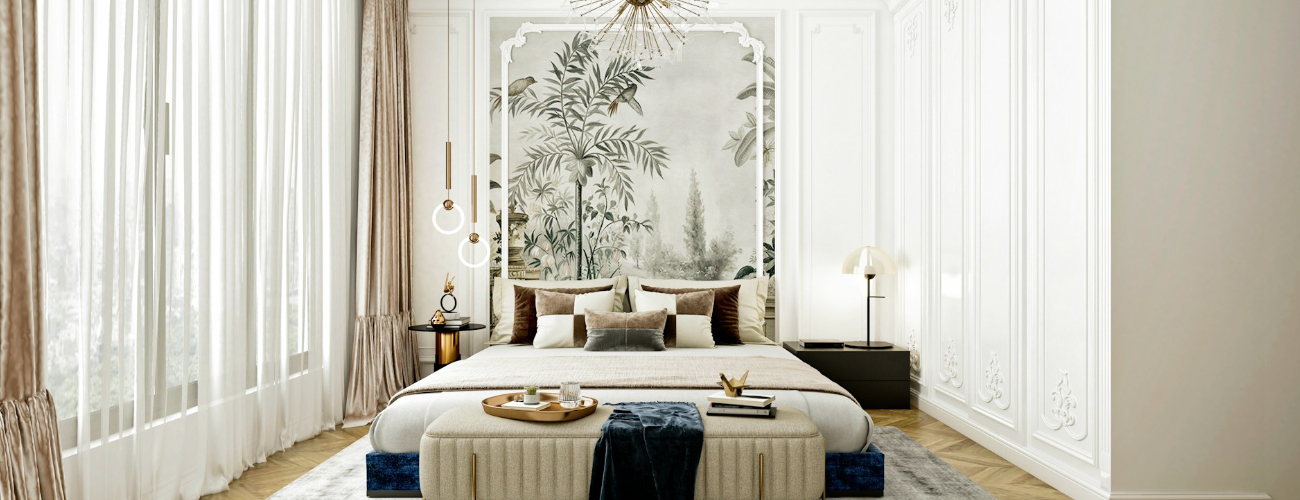
Mixing Patterns and Textures in Bedroom Design
A well-designed bedroom should feel both visually engaging and deeply comfortable. One of the most effective ways to achieve this balance is through the thoughtful mixing of patterns and textures. When done correctly, layering different materials and designs adds depth, warmth, and personality without overwhelming the space. The key lies in creating harmony through contrast while maintaining a cohesive overall look.
Understanding the Role of Patterns and Textures
Patterns and textures serve different but complementary purposes in interior design. Patterns introduce visual movement and character, while textures add tactile interest and warmth. In a bedroom, where comfort is essential, textures often play a more dominant role, while patterns are used strategically to create focal points and visual balance.
Starting with a Neutral Foundation
A neutral color palette provides the ideal backdrop for mixing patterns and textures. Soft whites, warm beiges, muted grays, and gentle earth tones allow patterned elements to stand out without clashing. Neutral walls and large furniture pieces help anchor the room, making it easier to experiment with layered designs through textiles and accessories.
Layering Textures for Comfort
Texture layering is especially important in bedroom design. Combining materials such as upholstered headboards, natural wood furniture, woven rugs, and soft bedding creates a cozy and inviting atmosphere. Fabrics like linen, cotton, velvet, and wool offer varied tactile experiences while maintaining visual harmony. The contrast between smooth and textured surfaces prevents the room from feeling flat or sterile.
Mixing Patterns with Purpose
When introducing patterns, moderation and scale are essential. A common approach is to vary pattern sizes to avoid visual competition. For example, a large-scale pattern on bedding can be paired with smaller, subtle patterns on throw pillows or curtains. Geometric designs, florals, and stripes can coexist when they share a similar color palette or design language.
Balancing Bold and Subtle Elements
A successful bedroom design balances statement pieces with quieter details. If one element features a bold pattern, surrounding items should remain more understated. This approach creates visual hierarchy and ensures the room feels curated rather than chaotic. Accent walls, patterned rugs, or decorative pillows are effective ways to introduce bold designs without overwhelming the space.
Incorporating Natural Materials
Natural materials play a vital role in blending patterns and textures seamlessly. Wood grain, stone accents, rattan, and woven textiles introduce organic patterns that feel grounded and timeless. These elements soften more structured or graphic patterns, contributing to a balanced and relaxing environment.
Using Lighting to Enhance Texture
Lighting can significantly influence how textures and patterns are perceived. Soft, layered lighting highlights fabric depth, wood grain, and surface variations. Table lamps, wall sconces, and warm ambient lighting create shadows that enhance texture, adding dimension and warmth to the bedroom.
Maintaining Visual Cohesion
Consistency is the key to successful pattern and texture mixing. Repeating colors, materials, or design motifs throughout the space helps unify different elements. Even contrasting textures feel intentional when they are connected through a shared palette or theme.
Conclusion
Mixing patterns and textures in bedroom design is a powerful way to create a space that feels layered, inviting, and personal. By starting with a neutral foundation, balancing bold and subtle elements, and incorporating natural materials, homeowners can achieve a harmonious and visually rich bedroom. Thoughtful layering transforms the bedroom into a comfortable retreat that reflects both style and individuality.