

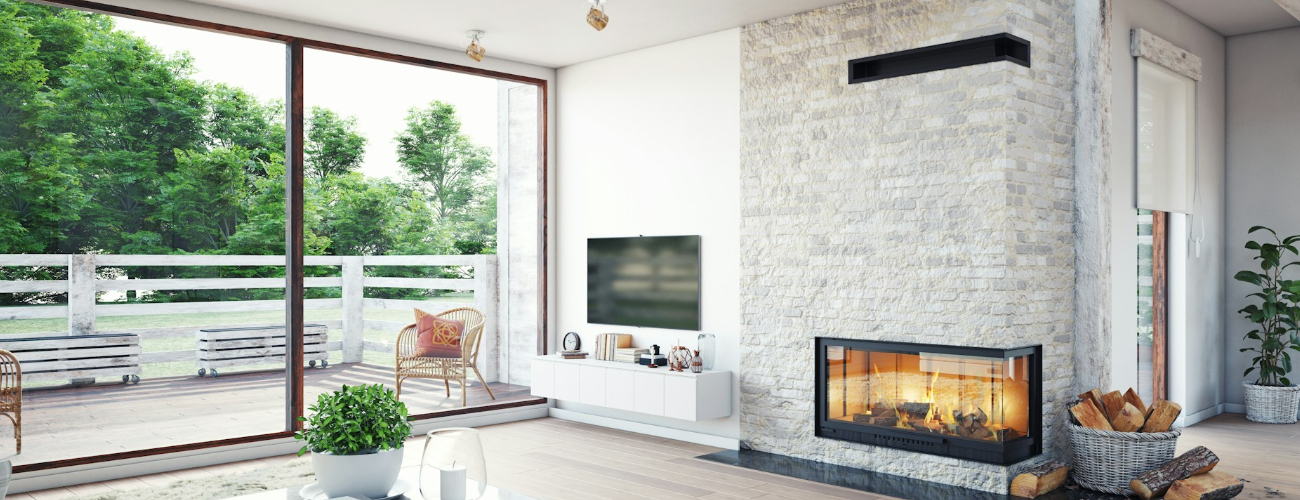
Materials and Finishes for Modern vs. Traditional Homes
Choosing the right materials and finishes is essential to defining a home’s architectural identity. Modern and traditional homes follow very different design philosophies, and the materials used in each style play a major role in shaping their character, functionality, and longevity. Understanding these differences helps homeowners and designers make cohesive choices that respect the home’s style while supporting practical living.
Design Philosophy and Overall Approach
Modern homes emphasize simplicity, clean lines, and minimal ornamentation. Materials are often selected for their performance, precision, and understated elegance. Traditional homes, by contrast, focus on warmth, detail, and craftsmanship, relying on classic materials and finishes that convey history and familiarity.
Materials Commonly Used in Modern Homes
Modern interiors favor materials with smooth surfaces and refined textures. Concrete, steel, glass, and engineered wood are widely used due to their durability and sleek appearance. Large-format porcelain tiles, quartz surfaces, and composite materials are popular for floors, countertops, and wall applications. These materials support open layouts and uninterrupted visual flow.
Natural materials are still present in modern homes but are typically used in a restrained way. Wood often appears in wide planks with minimal grain variation, while stone surfaces are selected for subtle veining and consistent coloration. The emphasis is on balance and simplicity rather than decoration.
Finishes in Modern Design
Finishes in modern homes tend to be matte or satin, reducing glare and visual noise. Neutral color palettes dominate, including whites, grays, blacks, and muted earth tones. Hardware and fixtures often feature finishes such as brushed metal, matte black, or polished chrome. These finishes reinforce a clean, cohesive aesthetic and highlight architectural form rather than surface detail.
Materials Commonly Used in Traditional Homes
Traditional homes rely heavily on natural, time-tested materials. Solid hardwood, natural stone, brick, and ceramic tile are central to traditional design. These materials offer texture, variation, and a sense of permanence. Wood paneling, detailed moldings, and decorative millwork are frequently used to add depth and character.
Stone materials such as marble, granite, and limestone are often chosen for fireplaces, flooring, and countertops, contributing to a sense of luxury rooted in tradition. The natural imperfections and variations of these materials are seen as desirable rather than flaws.
Finishes in Traditional Design
Traditional finishes tend to be warmer and more expressive. Semi-gloss and gloss finishes are commonly used on trim, doors, and cabinetry to highlight craftsmanship and detailing. Color palettes include warm neutrals, rich browns, creams, and muted jewel tones. Antique brass, oil-rubbed bronze, and aged finishes are frequently used for fixtures and hardware, reinforcing a classic look.
Durability and Maintenance Considerations
Modern materials are often engineered for low maintenance and long-term performance, making them suitable for contemporary lifestyles. Traditional materials may require more upkeep but offer timeless appeal and the ability to age gracefully. Choosing between these approaches often depends on lifestyle, maintenance preferences, and long-term goals.
Blending Modern and Traditional Elements
Many homes today incorporate transitional design, blending modern materials with traditional finishes or vice versa. For example, modern quartz countertops may be paired with classic cabinetry, or traditional wood floors may complement minimalist interiors. When done thoughtfully, this approach creates a balanced and personalized space.
Conclusion
Materials and finishes are fundamental to defining modern and traditional homes. Modern design prioritizes clean surfaces, engineered materials, and understated finishes, while traditional homes emphasize natural materials, detailed craftsmanship, and warm tones. By understanding the strengths of each style, homeowners can make informed choices that enhance both the aesthetic and functionality of their living spaces.