

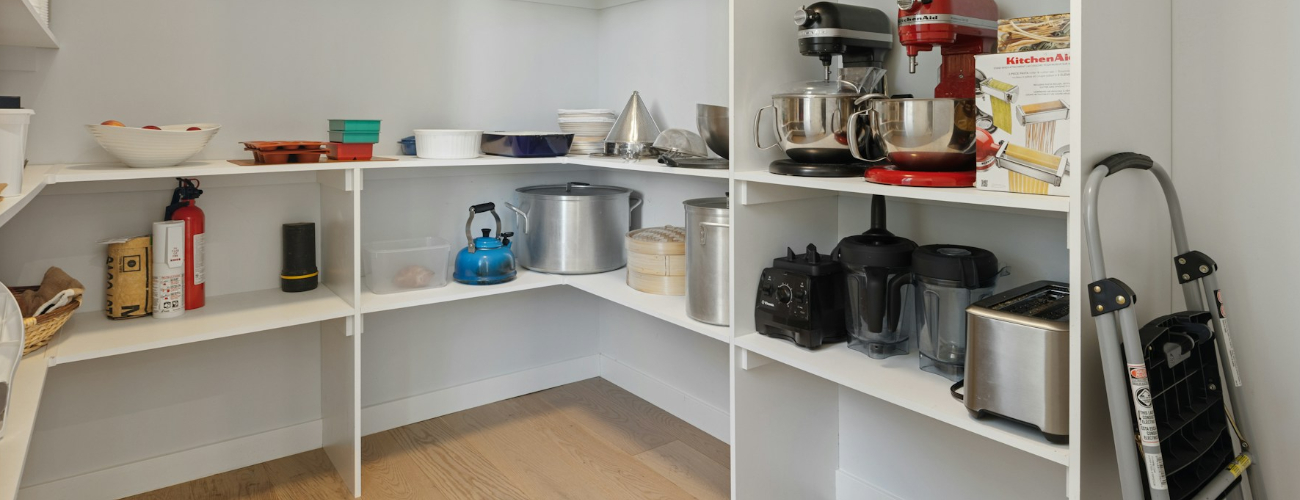
Mastering Pantry Organization
Organizing your home pantry can transform your kitchen experience, making cooking more enjoyable and meal planning a breeze. A well-organized pantry helps you keep track of what you have, reduces waste, and can even save money. Here’s how to achieve an impeccably organized pantry that suits your household’s needs.
Assess Your Needs
Before diving into organization, assess what your pantry must accommodate. Take note of your buying habits, the size of your household, dietary preferences, and how often you cook. This will help you understand the volume and types of items your pantry needs to store, from bulk grains and baking supplies to snack foods and canned goods.
Declutter and Clean
Start with a clean slate by emptying your pantry. Check expiration dates and dispose of anything that’s past its prime. Donate unopened items you won’t use. Wipe down shelves, sweep the floor, and clean bins and containers. A clean and empty pantry gives you a better idea of the space you have to work with.
Plan Your Space
Consider the layout of your pantry. Use shelves, drawers, and baskets to maximize space. Think vertically: high shelves can store less frequently used items like special occasion serveware or bulk purchases, while everyday items should be within easy reach. If visibility is an issue, consider lazy Susans, tiered shelf organizers, or pull-out drawers.
Categorize and Containerize
Group items by type — for instance, baking supplies, breakfast items, snacks, and canned goods. Within each category, further sort by use or by size. Use clear containers for bulk items like flour, sugar, and rice; this not only keeps items fresh but also lets you see what you have at a glance. Label everything. Not only does this help in finding items quickly, but it also helps other members of the household maintain the system.
Implement a FIFO System
Use a First In, First Out (FIFO) system, especially for perishable goods. Place newer items at the back so older stock is used first. This reduces waste and helps manage expiration dates effectively. This is particularly useful for canned goods, spices, and condiments.
Make It Accessible
Design your pantry so that items are easy to access. Place kids’ snacks on lower shelves so they can help themselves. Group ingredients for particular types of cooking together — for example, put all Italian cooking ingredients on the same shelf, or have a dedicated Asian cuisine basket.
Maintain and Adjust
Regular maintenance is key. Each month, take stock of what’s in your pantry. Note what items are unused and consider whether they still need to be as accessible. Adjust your organization based on seasonal changes or changes in dietary habits. Regular checks also help remind you of what you have, so you use items before they expire.
Use Technology
Consider using pantry management apps that help track inventory and expiration dates, or apps that suggest recipes based on what’s in your pantry. This can be a great way to stay on top of what you have and reduce waste.
Conclusion
A well-organized pantry saves time, reduces stress during meal preparation, and can even inspire you to cook more frequently. By assessing your needs, decluttering, categorizing, and regularly maintaining your space, you can master pantry organization and make your kitchen a more efficient, enjoyable place to cook and gather.