

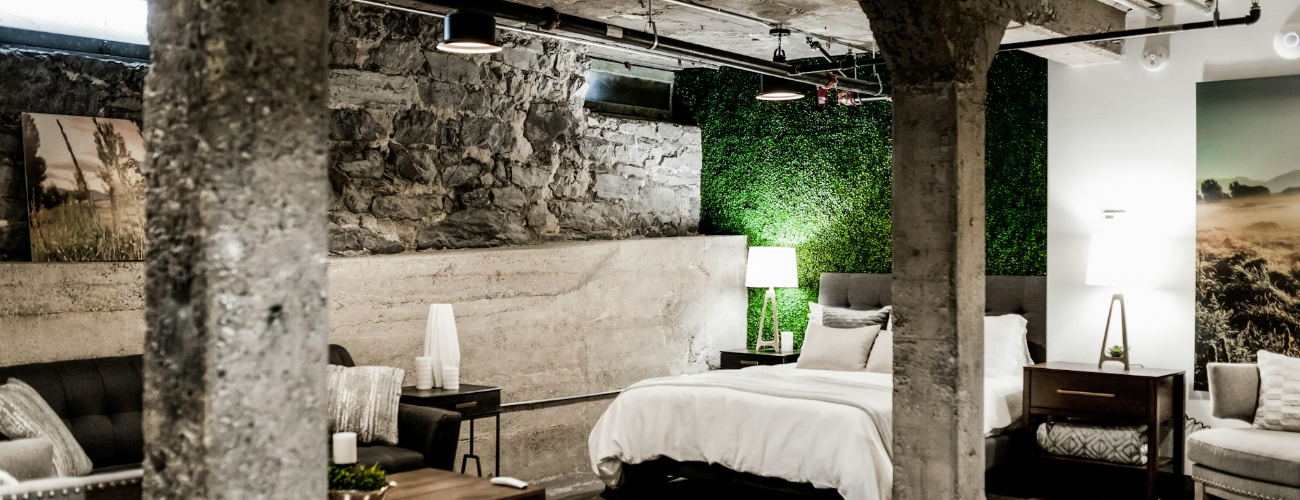
Lighting Solutions for Dark Basement Spaces
Basements often present one of the biggest lighting challenges in residential design. Limited or nonexistent natural light, low ceilings, and enclosed layouts can make basement spaces feel dark, cramped, and uninviting. However, with the right lighting strategy, a basement can be transformed into a bright, comfortable, and fully functional living area suitable for work, entertainment, or relaxation.
Understanding the Challenges of Basement Lighting
Before choosing fixtures, it is important to understand why basements feel darker than other parts of the home. Below-grade walls restrict window placement, and ceiling heights are often lower due to ductwork and structural elements. Poor lighting design can exaggerate these limitations, while a thoughtful approach can visually expand the space and improve usability.
Layered Lighting for Balanced Illumination
One of the most effective strategies for basement lighting is layered illumination. This approach combines ambient, task, and accent lighting to create depth and balance. Ambient lighting provides general brightness, task lighting supports specific activities, and accent lighting highlights architectural features or decor. Using multiple layers prevents harsh shadows and creates a more natural lighting environment.
Recessed Lighting for Low Ceilings
Recessed lighting is a popular solution for basements with limited ceiling height. Flush-mounted fixtures provide even illumination without visually lowering the ceiling. When spaced correctly, recessed lights can eliminate dark corners and make the basement feel more open. LED recessed fixtures are especially effective due to their energy efficiency and long lifespan.
Wall-Mounted and Indirect Lighting
Wall sconces and indirect lighting solutions help brighten basement spaces without cluttering the ceiling. Upward-facing sconces reflect light off the walls and ceiling, creating a softer, more spacious feel. LED strip lighting installed along beams, shelves, or stair edges adds subtle brightness while enhancing architectural details.
Choosing the Right Color Temperature
Light color temperature plays a significant role in basement design. Cooler white light can feel harsh in enclosed spaces, while overly warm light may appear dim. Neutral white lighting often provides the best balance, creating a clean and welcoming atmosphere. Consistency in color temperature throughout the basement helps maintain visual harmony.
Maximizing Light Reflection
Design choices can significantly amplify the effect of artificial lighting. Light-colored walls, ceilings, and flooring reflect illumination more effectively than dark finishes. Glossy or semi-gloss paint finishes, mirrors, and glass elements help distribute light evenly throughout the space, reducing the need for excessive fixtures.
Task Lighting for Functional Zones
Basements often serve multiple purposes, such as home offices, gyms, or entertainment rooms. Task lighting ensures that each area is properly illuminated for its intended use. Desk lamps, under-cabinet lights, and adjustable fixtures provide focused illumination without overpowering the overall design.
Smart Lighting Controls
Smart lighting systems offer flexibility and convenience for basement spaces. Dimmers, motion sensors, and programmable lighting scenes allow homeowners to adjust brightness based on time of day or activity. This adaptability improves comfort while reducing energy consumption.
Conclusion
Lighting is one of the most transformative elements in basement renovation. By combining layered lighting, recessed fixtures, wall-mounted solutions, and reflective design choices, even the darkest basement can become a bright and inviting space. Thoughtful lighting design not only improves visibility but also enhances comfort, functionality, and overall home value.