

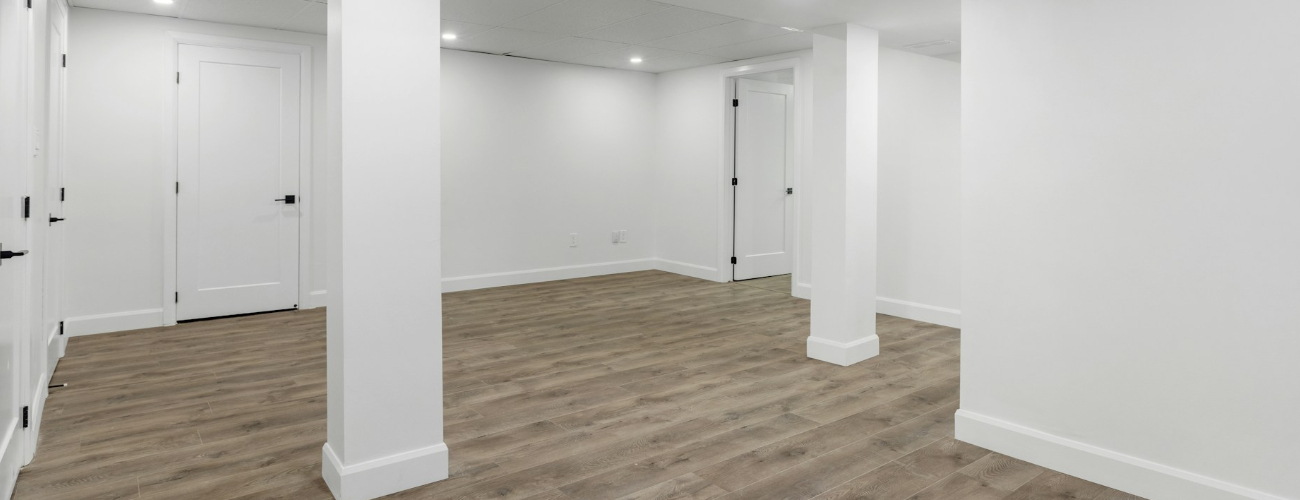
Lighting Pitfalls to Avoid During Your Renovation
Lighting is one of the most crucial elements in interior design, yet it is often overlooked or underestimated during renovations. The right lighting can transform a space, making it feel larger, more inviting, and functional. Conversely, poor lighting choices can detract from the overall aesthetic and usability of your home. To help you navigate your renovation successfully, here are some common lighting pitfalls to avoid.
Neglecting Natural Light
One of the biggest mistakes you can make during a renovation is failing to consider natural light. Natural light not only enhances the beauty of your interior spaces but also positively impacts your mood and well-being. When planning your renovation, think about how to maximize natural light in each room. This could involve enlarging windows, choosing light-reflective colors, or even considering the orientation of your home. Avoid blocking natural light sources with heavy curtains, large furniture, or poorly placed walls.
Overlooking Layered Lighting
Relying on a single light source for a room is a common mistake that can result in a flat, uninviting space. Instead, aim to create a layered lighting scheme that includes ambient, task, and accent lighting. Ambient lighting provides overall illumination, task lighting focuses on specific activities (like reading or cooking), and accent lighting highlights architectural features or decorative elements. By combining these three layers, you can create a dynamic and functional space that adapts to different needs and moods.
Choosing the Wrong Bulb Temperature
Light bulbs come in a range of color temperatures, measured in Kelvins (K), which can drastically affect the ambiance of a room. Warm light (around 2700K-3000K) creates a cozy and inviting atmosphere, ideal for living rooms and bedrooms. Cool light (around 4000K-5000K) is more energizing and is better suited for kitchens, bathrooms, and workspaces. One of the most common mistakes is mixing different color temperatures within the same space, which can lead to a disjointed and uncomfortable environment. Be consistent in your choices and select the appropriate temperature for each area.
Ignoring the Importance of Dimmers
Dimmers are an essential tool for controlling the mood and functionality of a room. They allow you to adjust the brightness of your lighting to suit different activities and times of day. Without dimmers, your lighting options are limited to full brightness or nothing at all, which can be too harsh or insufficient depending on the situation. Incorporating dimmers into your lighting plan gives you flexibility and helps to save energy. They are particularly useful in living rooms, dining rooms, and bedrooms where the ambiance often needs to be adjusted.
Incorrect Placement of Lighting Fixtures
The placement of lighting fixtures is just as important as the type of fixtures you choose. Poorly placed lights can create unflattering shadows, glare, or uneven lighting in a room. For example, placing recessed lights too close to walls can result in harsh shadows, while positioning pendant lights too high or low can affect the balance of the space. When planning your lighting, consider the height of your ceilings, the size of the room, and the function of the space. It’s often helpful to work with a lighting designer or use design software to visualize the placement before installation.
Overdoing Recessed Lighting
Recessed lighting is a popular choice for modern interiors, but overdoing it can lead to a clinical or overly bright atmosphere. While recessed lights are great for providing general illumination, they should be used in conjunction with other types of lighting. Instead of filling your ceiling with an array of downlights, consider how you can combine them with pendant lights, wall sconces, or floor lamps to create a more balanced and visually interesting space.
Underestimating the Importance of Task Lighting
Task lighting is essential for areas where specific activities take place, such as cooking in the kitchen, reading in the living room, or applying makeup in the bathroom. A common mistake is relying solely on ambient lighting in these areas, which can lead to insufficient illumination for tasks. Make sure to incorporate dedicated task lighting where it’s needed most. For example, under-cabinet lights in the kitchen, bedside reading lamps, or vanity lights in the bathroom can greatly enhance the functionality of these spaces.
Not Accounting for Energy Efficiency
With the increasing focus on sustainability, energy-efficient lighting should be a priority in any renovation. LED lights are the most energy-efficient option available today, consuming up to 90% less energy than traditional incandescent bulbs and lasting significantly longer. However, some homeowners still make the mistake of choosing cheaper, less efficient lighting options that will cost more in the long run due to higher energy bills and more frequent replacements. Invest in quality, energy-efficient lighting from the start to save money and reduce your environmental impact.
Ignoring the Role of Smart Lighting
As technology continues to evolve, smart lighting systems have become more accessible and affordable. These systems allow you to control your lighting remotely, set schedules, and even adjust color temperatures based on the time of day. Ignoring the potential benefits of smart lighting during your renovation could mean missing out on a more convenient and customizable home environment. Consider integrating smart lighting into your renovation plans to enhance the comfort, security, and energy efficiency of your home.
Forgetting to Plan for Future Needs
Finally, one of the biggest lighting pitfalls is failing to consider how your needs may change over time. As your family grows, or your lifestyle changes, your lighting requirements may also evolve. When planning your renovation, think about how you can future-proof your lighting. This could involve installing extra wiring for additional fixtures, choosing flexible lighting solutions like track lighting, or simply leaving space for potential upgrades. By planning ahead, you can avoid costly changes or retrofits down the line.
Conclusion
Lighting plays a critical role in the success of any renovation, influencing both the aesthetic appeal and functionality of your home. By avoiding these common pitfalls, you can ensure that your lighting plan enhances your space and meets your needs for years to come. Whether you’re working with a professional designer or tackling a DIY project, taking the time to carefully consider your lighting choices will pay off in the form of a more comfortable, beautiful, and efficient home.