

Kitchen Layouts: Galley, L-Shaped, U-Shaped, and More
When planning a kitchen renovation, one of the most important decisions homeowners face is selecting the right layout. The kitchen’s configuration determines how functional, comfortable, and visually appealing the space will be. Whether you have a small apartment or a spacious home, the layout should enhance efficiency and support your daily routine. Let’s explore the most popular kitchen layouts—Galley, L-shaped, U-shaped, and others—to help you make the best choice for your space and lifestyle.
Galley Kitchen: Efficient and Compact
The galley kitchen, also known as a corridor kitchen, is ideal for small spaces and apartments. This layout features two parallel counters with a walkway in between. It is highly efficient because everything is within reach—sink, stove, refrigerator, and storage. Galley kitchens minimize movement, making them perfect for serious cooking in tight quarters. However, they can feel cramped if not well-lit, and they may lack the openness some homeowners prefer.
L-Shaped Kitchen: Open and Versatile
An L-shaped kitchen consists of two adjoining walls that form a natural L shape. This design works well in both small and large spaces, providing flexibility for additional dining areas or islands. The L-shape supports the kitchen work triangle—sink, stove, and fridge—by offering natural spacing while reducing traffic flow through the workspace. It also allows for better interaction with guests in open-concept homes.
U-Shaped Kitchen: Maximizing Storage and Function
For homeowners who prioritize ample storage and countertop space, the U-shaped kitchen is a top choice. This layout includes three connected walls that form a “U,” surrounding the cook on three sides. It offers excellent workflow and plenty of cabinetry and appliances. U-shaped kitchens work best in medium to large spaces, as the inward-facing design can feel closed off in tighter rooms. For extra functionality, a peninsula or center island can be added if space allows.
Island Kitchen: Social and Functional
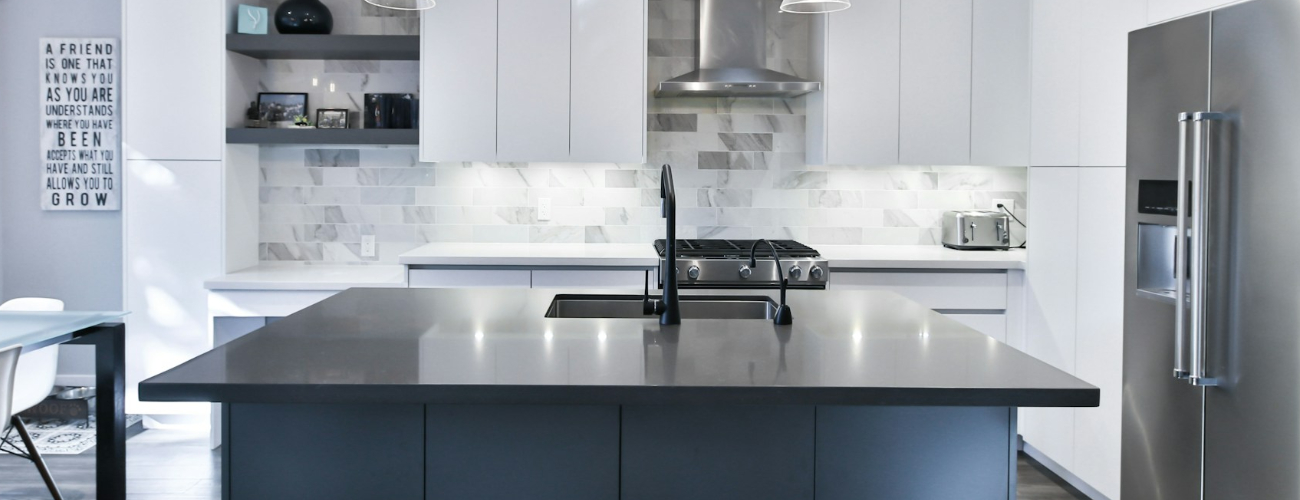
Adding an island to your kitchen transforms it into a central gathering space. Islands provide additional prep space, storage, and even seating. This layout works best in open-plan kitchens with ample square footage. Depending on the surrounding layout—L-shaped, U-shaped, or one-wall—the island enhances traffic flow and creates zones for cooking, eating, and socializing. Islands can include sinks, cooktops, or built-in appliances, offering incredible flexibility.
Peninsula Kitchen: A Smart Alternative
The peninsula layout is similar to the island kitchen but with the added element attached to a wall or cabinet run, forming a “G” shape. It’s a great option for kitchens where a full island won’t fit but where extra counter space or seating is desired. Peninsula kitchens create a semi-open feel and are ideal for small to medium spaces where functionality needs a boost without major structural changes.
One-Wall Kitchen: Streamlined Simplicity
The one-wall kitchen, often found in studio apartments or lofts, keeps all cabinets, appliances, and countertops aligned along a single wall. It’s the most space-saving option and is easy to maintain. However, it can be limiting in terms of storage and prep space. For a more dynamic version, a movable island or dining table can help balance function and aesthetics.
Choosing the Right Layout for You
The best kitchen layout depends on your space, cooking habits, and lifestyle. A family that entertains frequently might prioritize a kitchen island for socializing, while a solo cook might prefer the simplicity of a galley layout. Storage needs, appliance size, and lighting should all factor into your final decision.
Renovating a kitchen is a significant investment, and the right layout sets the foundation for a successful transformation. By understanding the pros and cons of each design, homeowners can choose a layout that maximizes space, improves functionality, and enhances the overall feel of their home.