

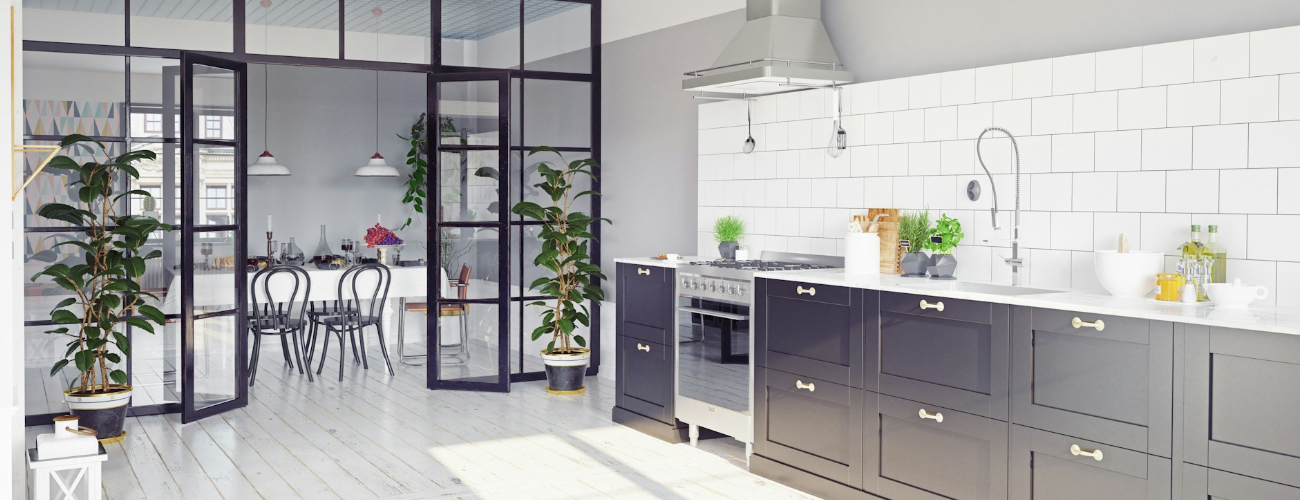
Interior Glass Doors for Light and Flow
Interior glass doors have become a popular design solution for homeowners seeking to maximize natural light while maintaining functional separation between rooms. By allowing light to travel freely through the home, glass doors create a sense of openness and continuity without sacrificing privacy or sound control. When selected thoughtfully, they enhance both the visual flow and practical performance of interior spaces.
Enhancing Natural Light
One of the primary benefits of interior glass doors is their ability to distribute natural light throughout the home. Spaces that lack direct window access—such as hallways, home offices, or interior rooms—can feel brighter and more inviting when connected with glass doors. This improved light flow reduces reliance on artificial lighting and contributes to a more open atmosphere.
Improving Visual Connectivity
Glass doors maintain visual connection between rooms while still defining separate zones. This balance is especially valuable in modern open-plan homes, where privacy and noise control are still necessary. Transparent or lightly frosted glass preserves sightlines, making spaces feel larger and more cohesive.
Types of Interior Glass Doors
Interior glass doors are available in a wide range of styles and configurations. Hinged glass doors provide a classic look and work well in traditional or transitional interiors. Sliding glass doors are ideal for saving space and enhancing modern layouts. French-style glass doors add architectural character while allowing generous light transfer between rooms.
Privacy Without Blocking Light
Privacy concerns are often the biggest hesitation when considering interior glass doors. Modern glazing options address this issue effectively. Frosted, etched, fluted, or reeded glass provides varying levels of opacity while still allowing light to pass through. These options are particularly useful for bathrooms, offices, or bedrooms where visual privacy is important.
Materials and Frame Design
The frame of a glass door significantly impacts its aesthetic. Slim metal frames create a sleek, industrial look, while wood frames add warmth and traditional appeal. Frameless designs emphasize minimalism and maximize transparency. Selecting a frame that complements existing finishes ensures a cohesive interior design.
Sound Control and Functionality
While glass doors are more transparent than solid doors, modern designs offer improved sound control through thicker glass and quality seals. This makes them suitable for home offices, media rooms, or shared living spaces. Proper hardware selection also improves functionality and durability over time.
Integrating Glass Doors into Different Rooms
Interior glass doors work well in a variety of settings. In home offices, they provide separation while maintaining connection to living areas. Between kitchens and dining rooms, they allow light to flow while containing noise and odors. In bedrooms or lounges, they enhance elegance without fully closing off the space.
Maintenance and Durability
Glass doors are relatively easy to maintain when constructed with quality materials. Tempered or laminated glass improves safety and durability. Regular cleaning keeps surfaces clear and enhances their visual impact. Proper installation ensures smooth operation and long-term performance.
Conclusion
Interior glass doors offer an effective way to enhance light, flow, and visual openness within a home. By carefully selecting glass type, frame design, and configuration, homeowners can achieve a balance between transparency and privacy. As both a functional and aesthetic element, interior glass doors contribute to brighter, more connected living spaces while supporting modern design principles.