

Insulating Homes with Spray Foam vs. Fiberglass: Which Is Better?
When it comes to insulating your home, two of the most common materials are spray foam and fiberglass. Both have unique properties and applications, and the choice between them depends on your specific needs, budget, and climate. This guide compares spray foam and fiberglass insulation to help you make an informed decision for your next home renovation or construction project.
What is Spray Foam Insulation?
Spray foam insulation is a liquid mixture that expands into a foam when applied, creating an airtight seal. It is available in two types:
- Open-cell spray foam: Lightweight and flexible, ideal for interior spaces.
- Closed-cell spray foam: Dense and rigid, offering higher insulation values and added structural support.
What is Fiberglass Insulation?
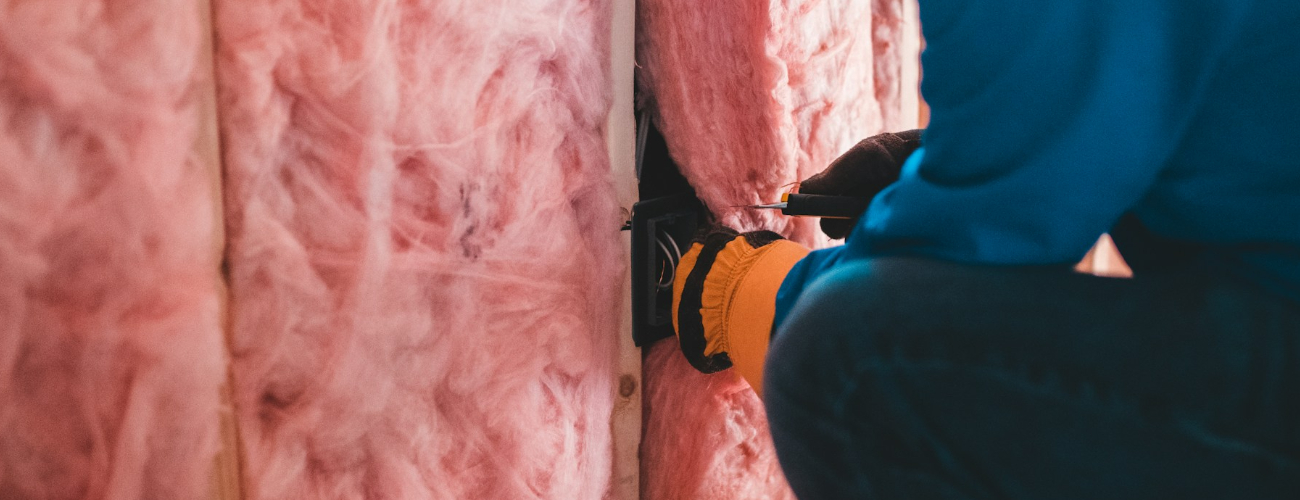
Fiberglass insulation consists of fine glass fibers and is commonly found in rolls or batts. It’s one of the most widely used types of insulation in residential and commercial buildings. Fiberglass is available in two forms:
- Batt insulation: Pre-cut panels for easy installation.
- Blown-in insulation: Loose-fill material for hard-to-reach spaces.
Comparing Spray Foam and Fiberglass Insulation
Insulation Performance (R-Value)
Spray Foam:
- Closed-cell spray foam has an R-value of 6 to 7 per inch, making it one of the most effective insulators.
- Open-cell spray foam has a lower R-value of 3.5 to 4 per inch but still performs well for interior walls.
Fiberglass:
- Offers an R-value of 2.2 to 4.3 per inch, depending on the density and type. While effective, it may require thicker layers to match spray foam’s performance.
Winner: Spray foam for its superior insulation efficiency.
Air Sealing
- Spray Foam: Creates an airtight barrier, preventing air leaks and drafts. This feature is particularly valuable in areas prone to extreme temperatures or energy loss.
- Fiberglass: Does not seal air gaps, which can lead to drafts unless combined with additional air-sealing measures.
Winner: Spray foam for its ability to provide an airtight seal.
Moisture Resistance
- Spray Foam: Closed-cell spray foam is highly water-resistant and can act as a vapor barrier, making it ideal for damp or humid environments.
- Fiberglass: Absorbs moisture when exposed, which can lead to mold growth and decreased effectiveness over time.
Winner: Spray foam for its superior moisture resistance.
Installation Process
- Spray Foam: Requires professional installation due to the specialized equipment and expertise needed. The application process involves spraying the foam, which expands to fill gaps.
- Fiberglass: Easier to install, especially for DIY projects. Batts can be cut and placed between studs, while blown-in fiberglass requires minimal equipment.
Winner: Fiberglass for its simplicity and DIY-friendly installation.
Cost
- Spray Foam: Higher upfront costs due to materials and professional installation. On average, it costs $1.50 to $5 per square foot, depending on the type.
- Fiberglass: More affordable, with an average cost of $0.40 to $1 per square foot.
Winner: Fiberglass for its budget-friendly pricing.
Durability and Longevity
- Spray Foam: Can last for decades without losing its insulating properties. Closed-cell foam also adds structural strength to walls.
- Fiberglass: Over time, fiberglass can settle or compress, reducing its effectiveness and requiring replacement sooner than spray foam.
Winner: Spray foam for its durability and long lifespan.
Environmental Impact
- Spray Foam: Contains chemicals that may emit volatile organic compounds (VOCs) during installation, but newer formulations are more eco-friendly.
- Fiberglass: Made from recycled materials, but its production process involves significant energy use.
Winner: Tie, depending on the specific product and installation process.
When to Choose Spray Foam
- If you need maximum insulation efficiency and an airtight seal.
- For homes in extreme climates where energy loss is a major concern.
- If moisture resistance is critical, such as in basements or crawl spaces.
When to Choose Fiberglass
- If you’re on a tight budget and need a cost-effective solution.
- For straightforward projects where DIY installation is possible.
- In areas with lower moisture levels and less risk of drafts.
Conclusion
Spray foam and fiberglass insulation each have distinct advantages and disadvantages. Spray foam is ideal for long-term energy savings, superior insulation, and moisture resistance, but its higher cost may deter some homeowners. Fiberglass, on the other hand, is affordable and easy to install, making it a practical choice for many projects.
When choosing between these two materials, consider your budget, climate, and specific insulation needs. Consulting with a professional contractor can help you determine the best solution for your home, ensuring comfort and efficiency for years to come.