

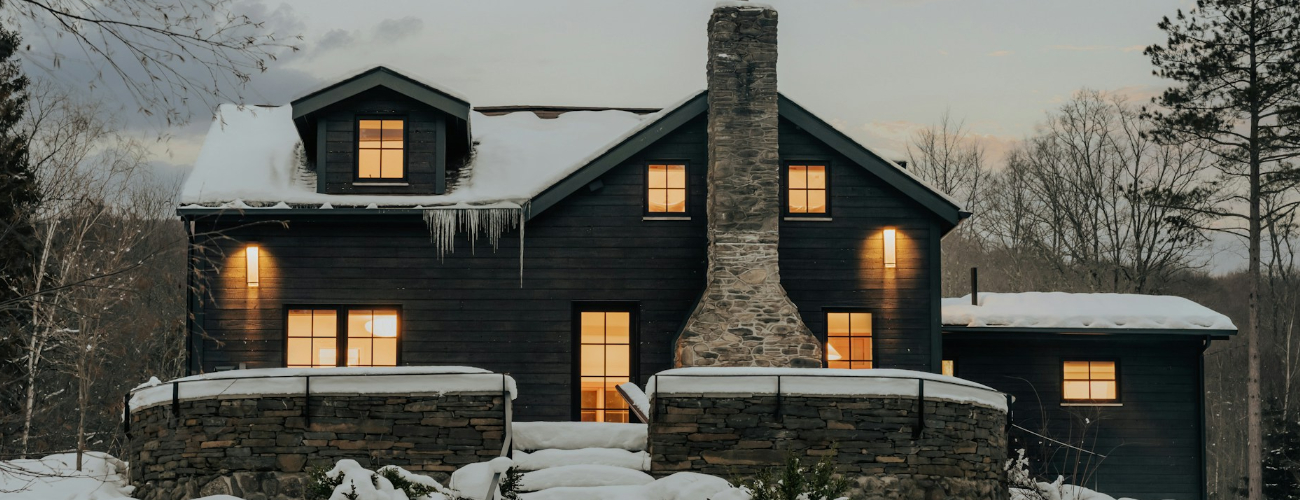
How to Winterize Your Home
As the temperatures begin to drop, preparing your home for winter becomes more than a seasonal task—it’s an important part of protecting your investment, reducing energy costs, and keeping your family safe and warm. Winterizing your home involves a combination of insulation, maintenance, and smart design choices that help defend against the cold while ensuring efficiency and comfort. Here’s a step-by-step guide to help you get your home ready before the snow starts falling.
Seal Drafts and Insulate Gaps
Cold air can easily seep in through small cracks around windows, doors, and even electrical outlets. Start by inspecting your home for drafts, especially around window frames, baseboards, and entry points. Use weatherstripping around doors and caulk to seal gaps in windows. For added insulation, consider thermal curtains or insulated blinds to reduce heat loss through glass.
Check your attic and basement as well—these areas are common sources of energy leaks. Add insulation where needed, especially in the attic, to prevent warm air from rising and escaping. A properly insulated home can significantly lower your heating bills throughout the winter.
Protect Pipes from Freezing
Frozen pipes can burst and cause major water damage. To avoid this, insulate exposed pipes in unheated areas like basements, garages, or crawl spaces. Foam pipe insulation is inexpensive and easy to install. You should also disconnect outdoor hoses, drain the water, and shut off outdoor water valves. If you’re expecting an extreme cold spell, let faucets drip slightly overnight to keep water moving through the pipes.
Clean and Inspect the Heating System
Before winter begins, schedule a professional inspection for your heating system. Whether you use a furnace, boiler, or heat pump, it’s crucial to ensure everything is working efficiently. Replace filters, check for leaks in ductwork, and consider installing a programmable thermostat to optimize temperature settings while saving energy.
Fireplaces and wood stoves should also be inspected and cleaned. Have the chimney checked for blockages or creosote buildup, which can be a fire hazard. If you rely on wood-burning heat, make sure you have a sufficient and dry wood supply stored safely.
Prepare Windows and Doors
Windows and doors are the biggest sources of heat loss in many homes. If replacement isn’t in the budget, add temporary insulation film to windows to create an additional barrier. Draft stoppers at the bottom of doors can help prevent cold air from sneaking in. For long-term energy savings, consider upgrading to double- or triple-pane windows with energy-efficient coatings.
Roof and Gutter Maintenance
Snow and ice buildup on your roof can lead to leaks, ice dams, and costly repairs. Inspect the roof for damaged shingles or flashing and repair as needed. Clean out gutters and downspouts to ensure water drains properly away from the home. Clogged gutters can freeze and cause overflow that damages your siding or foundation.
Installing gutter guards or heat cables may also help in areas that experience heavy snow. Trim overhanging branches to reduce the risk of broken limbs falling onto your roof during storms.
Reverse Ceiling Fans
A small but effective tip: reverse the direction of your ceiling fans. In the winter, fans should rotate clockwise at a low speed to push warm air down from the ceiling. This helps distribute heat more evenly throughout the room, especially in rooms with high ceilings.
Emergency Preparedness
Lastly, winterizing your home includes preparing for potential power outages or severe weather. Stock up on essentials like flashlights, batteries, bottled water, and non-perishable food. Keep extra blankets or sleeping bags on hand, and ensure that smoke and carbon monoxide detectors are functioning properly.
Conclusion
Winterizing your home is more than just a precaution—it’s a smart and necessary way to maintain comfort, safety, and efficiency all season long. By taking proactive steps now, you can enjoy peace of mind and a warmer, more energy-efficient home during the coldest months of the year. Whether you tackle it all in a weekend or work through your checklist step by step, your future self (and your utility bills) will thank you.