

How to Upgrade Your Kitchen Without a Full Remodel
Upgrading a kitchen does not always require demolition, structural changes, or a full-scale renovation. In many homes, especially those where the layout already functions well, targeted improvements can significantly enhance appearance, comfort, and property value. Strategic updates allow homeowners to modernize the space while controlling cost, timeline, and disruption.
Refresh Cabinets Instead of Replacing Them
Cabinetry typically dominates a kitchen visually and financially. Replacing cabinets is expensive, but refinishing or repainting them can completely transform the room. Neutral tones such as warm white, soft gray, or muted sage create a clean and contemporary look. For a more refined aesthetic, consider two-tone cabinetry, with darker base cabinets and lighter uppers.
Upgrading hardware is another simple but impactful change. Swapping outdated knobs and pulls for matte black, brushed brass, or satin nickel hardware introduces a modern touch without major construction.
Update the Backsplash
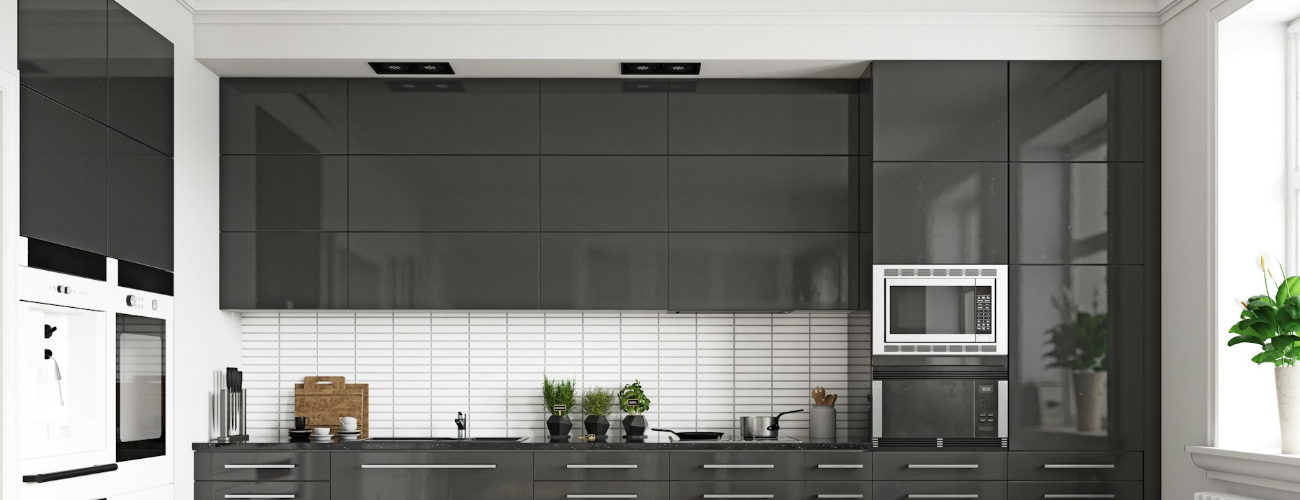
A new backsplash can redefine the character of a kitchen. Subway tile remains a timeless option, but elongated formats, vertical layouts, or subtle texture variations provide a fresh interpretation. For a more distinctive look, consider geometric tile or natural stone mosaics.
If budget or time is limited, peel-and-stick backsplash panels offer a temporary yet effective solution. While not as durable as traditional tile, they can provide a quick visual upgrade.
Improve Lighting Layers
Lighting is often overlooked in older kitchens. Upgrading fixtures and layering light sources can dramatically change how the space feels. Replace dated ceiling fixtures with modern pendants over an island or dining area. Under-cabinet LED lighting enhances both functionality and ambiance, making food preparation easier while adding depth to the room.
Warm, balanced lighting helps highlight finishes and creates a more inviting atmosphere.
Replace Countertops Strategically
If replacing all countertops is not feasible, consider partial upgrades. For example, installing a high-quality quartz surface on an island while refinishing perimeter counters can create contrast and elevate the design. In some cases, professional resurfacing can refresh laminate or solid-surface countertops at a fraction of replacement cost.
Upgrade the Faucet and Sink
A modern faucet instantly updates the look of a kitchen. High-arc or pull-down models in matte black or brushed finishes offer both visual appeal and improved functionality. If the sink is shallow or worn, replacing it with a deeper stainless steel or composite model can improve everyday use without changing cabinetry.
Add Open Shelving or Glass Inserts
Introducing open shelving or glass cabinet inserts breaks visual monotony and makes the space feel lighter. Displaying curated dishware or decorative pieces adds personality while maintaining practicality. This approach works especially well in smaller kitchens that benefit from visual openness.
Enhance Walls and Surfaces
Fresh paint remains one of the most cost-effective upgrades. Light, neutral colors can make a compact kitchen feel larger, while accent walls introduce subtle character. Crown molding, trim updates, or beadboard paneling can also add architectural interest without structural renovation.
Focus on Small Details
Replacing outlet covers, updating bar stools, adding a runner rug, or incorporating decorative storage solutions can collectively produce a noticeable improvement. Coordinating finishes across hardware, lighting, and accessories ensures visual cohesion.
Final Thoughts
A full remodel is not always necessary to achieve a modern, functional kitchen. By focusing on surfaces, lighting, fixtures, and details, homeowners can create a refreshed space that feels intentional and updated. Thoughtful, incremental upgrades often deliver strong visual impact while preserving the existing layout and minimizing construction disruption.