

How to Make the Most of Your Initial Design Consultation
An initial design consultation is one of the most important steps in any renovation or decorating project. Whether you are planning a kitchen remodel, designing a custom deck, or updating your living room, this first meeting sets the tone for the entire process. It’s your opportunity to share your vision, ask questions, and make sure the designer understands your goals. Preparing properly can help you get the most out of this session and start your project on the right foot.
Clarify Your Goals
Before you sit down with a designer, spend some time thinking about what you really want to accomplish. Are you trying to maximize space, improve functionality, update an outdated look, or increase your home’s value? Write down your top priorities so you can communicate them clearly. Having a well-defined vision helps the designer focus on what matters most to you.
Gather Inspiration
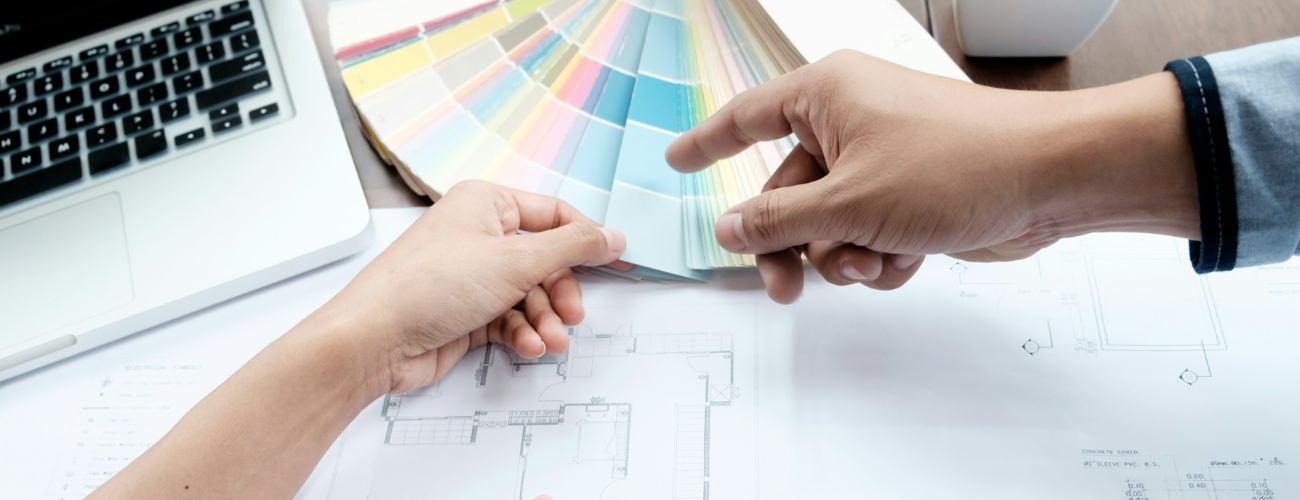
Designers love when clients bring inspiration to the table. Collect photos from magazines, Pinterest boards, or Instagram posts that reflect the look and feel you want. Be sure to include examples of colors, materials, and styles you like—whether it’s a modern minimalist vibe or a cozy farmhouse aesthetic. Inspiration images give the designer a visual starting point and reduce the chance of miscommunication.
Be Honest About Your Budget
Discussing money early can feel uncomfortable, but it is crucial to ensure realistic planning. Share a clear budget range with your designer so they can recommend solutions that work within it. A professional designer can often suggest creative ways to maximize your budget, such as prioritizing certain upgrades or choosing cost-effective materials without sacrificing style.
Take Measurements and Photos
If the consultation takes place virtually or off-site, bring accurate room dimensions, floor plans (if available), and photos of the space. These details help the designer understand your layout and make better suggestions. Don’t forget to note any structural elements that must stay in place, such as load-bearing walls or plumbing lines.
Ask Questions
Use the consultation as a learning opportunity. Ask about the designer’s process, timeline, and experience with similar projects. Find out how they handle sourcing materials, working with contractors, and keeping projects on schedule. Understanding their workflow will give you confidence and allow you to plan your own schedule accordingly.
Discuss Function as Well as Style
A beautiful design only works if it fits your lifestyle. Talk about how you use the space day-to-day—whether you need durable finishes for kids and pets, extra storage for hobbies, or easy-to-clean surfaces for a busy family. The more the designer knows about your habits, the more they can tailor the design to suit your needs.
Take Notes and Review
Bring a notebook or use your phone to jot down key points during the consultation. Afterward, review your notes and follow up with any clarifications or additional questions. This ensures that you and your designer are on the same page before moving forward with plans.
Keep an Open Mind
While it’s important to communicate your vision, be open to professional advice. Designers often have insights into layout solutions, materials, or color palettes you might not have considered. Trust their expertise, but also feel empowered to speak up if something doesn’t feel right for you.