

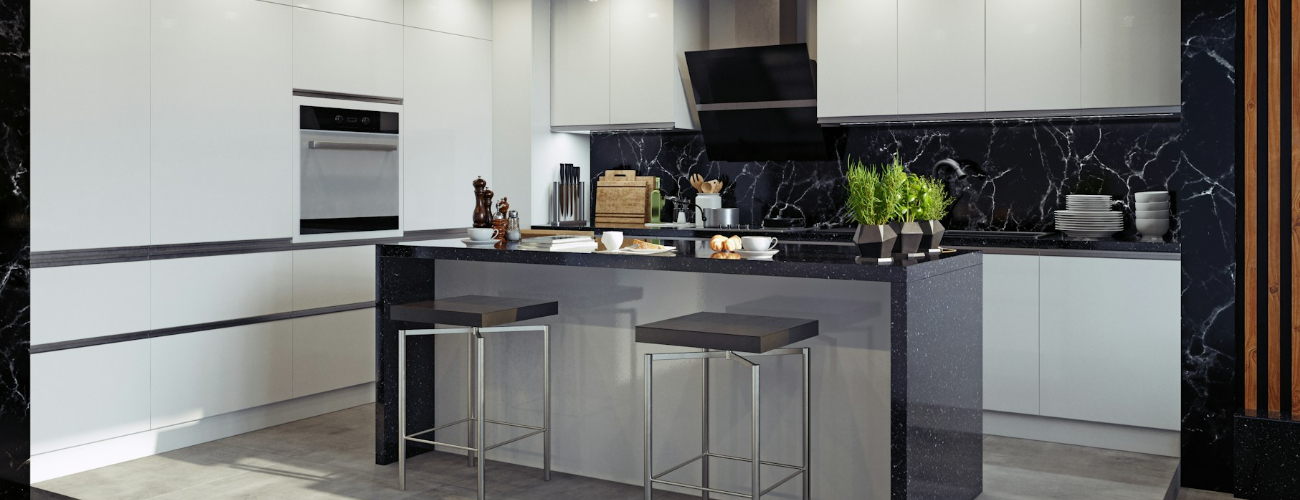
How to Design a Kitchen for Serious Cooks
Designing a kitchen for serious cooks goes beyond aesthetic choices and dives into the realm of functionality, efficiency, and comfort. A kitchen where serious culinary activities take place is not just a room but a workspace that needs to cater to the demands of intensive cooking and baking. Whether you are an amateur chef or a professional looking to create the perfect home kitchen, this comprehensive guide will explore the essentials of designing a kitchen that meets the needs of serious cooks.
Functional Layout
The Work Triangle
The work triangle is a time-tested principle that helps in creating efficient layouts. It connects the three main work areas in the kitchen: the sink, the stove, and the refrigerator. Each leg of the triangle should be between 4 and 9 feet, and the sum of all three sides should not exceed 26 feet. This setup minimizes unnecessary movement and allows for efficient cooking.
Zoning
Divide the kitchen into dedicated zones for preparation, cooking, and cleaning. Each zone should be equipped with the necessary tools and spaces needed to perform its function seamlessly. For example, the preparation area should have ample counter space, immediate access to mixing tools, cutting boards, and commonly used ingredients like oils, spices, and herbs.
Professional-Grade Appliances
Ranges and Ovens
Invest in a high-quality range that offers both power and flexibility. Gas ranges are popular for their precise control over heat. Consider a range with multiple burners that include a high-BTU burner for fast boiling and a simmer burner for delicate sauces. Dual ovens, or at least one professional-grade oven, are crucial for those who bake frequently or entertain often.
Refrigeration
Serious cooks require a refrigerator that offers more space and better organization. A French door model with a bottom freezer can be a good choice. Consider options with dedicated compartments for different types of produce and meats to maintain better temperature control.
Dishwashers
A high-capacity dishwasher is essential for frequent cooks who use a lot of dishes and utensils. Look for models that offer adjustable racks and multiple wash settings to handle delicate glassware as well as pots and pans.
Ample and Flexible Storage Solutions
Cabinets and Drawers
Tailor your storage solutions to fit your cooking style. Include deep drawers for pots and pans near the stove, and use pull-out cabinets for spices and cooking oils within arm’s reach of your cooking station. Vertical storage can be effective for baking sheets and cutting boards.
Pantry
A walk-in pantry is ideal for storing bulk ingredients and lesser-used appliances. For smaller kitchens, a pull-out pantry can also be effective, allowing for easy access and efficient use of space.
Durable and Easy-to-Clean Surfaces
Countertops
Granite and quartz are popular choices for serious cooks because of their durability and ease of maintenance. Both materials can withstand heat and are resistant to scratches and stains. Stainless steel counters are another durable option that can give your kitchen a professional look.
Flooring
Choose non-slip, easy-to-clean flooring materials that can withstand heavy traffic and frequent spills. Ceramic tiles and treated wood are popular choices, but newer materials like cork or rubber flooring can be more comfortable during long cooking sessions.
Effective Lighting and Ventilation
Lighting
Ensure that every area of the kitchen is well-lit. Under-cabinet lighting can illuminate countertops for prep work, while pendant lights or track lighting can provide overall brightness to the room.
Ventilation
A high-quality range hood is essential to remove smoke, steam, and cooking odors. Ensure that the ventilation system is powerful enough to handle the output of your range, and consider additional ventilation options if your kitchen layout requires it.
Ergonomics and Personal Touches
Ergonomic Design
Adjust the height of counters and the depth of sinks to match the primary user’s height for comfort during prolonged cooking tasks. Choose handles and knobs that are easy to grasp and control, especially under messy cooking conditions.
Personal Touches
Incorporate elements that reflect your personal cooking style and needs, like a built-in cutting board, a pot-filler faucet above the stove, or a dedicated bar area with a built-in wine cooler.
Conclusion
Designing a kitchen for serious cooks involves careful consideration of layout, appliances, storage, materials, and ergonomics. Each element should enhance the cooking experience, making the kitchen not only a place of culinary creation but also a center of joy and comfort in the home. By focusing on these key areas, you can create a kitchen that caters perfectly to the needs of serious cooking enthusiasts.