

How to Choose the Right Window Treatments for Each Room
Window treatments are one of the most powerful design elements in a home. They control light, add privacy, and bring texture, warmth, and personality to every room. But with so many styles—from curtains and blinds to shades and shutters—choosing the right window treatments can feel overwhelming. The key is to consider each room’s purpose, amount of natural light, and overall décor style to find the perfect balance of function and beauty.
Living Room: Comfort and Elegance
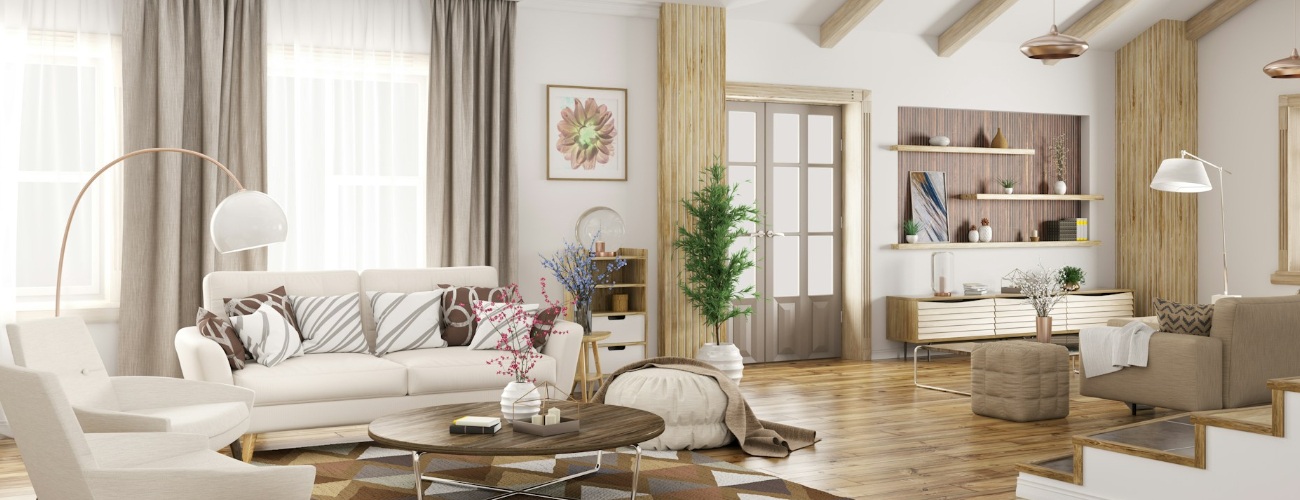
The living room is often the heart of the home—a space for entertaining, relaxing, and showcasing your personal style. Window treatments here should strike a balance between sophistication and comfort. Floor-length draperies made of linen, velvet, or sheer fabrics can create an inviting atmosphere while adding height and drama. Layered treatments—such as pairing sheer panels with heavier curtains—offer flexibility, allowing you to control light and privacy throughout the day. Neutral colors work beautifully in modern interiors, while patterned or textured fabrics add interest to more traditional spaces.
Bedroom: Privacy and Tranquility
In the bedroom, privacy and light control are top priorities. Blackout curtains or cellular shades are excellent choices for blocking morning sunlight and improving energy efficiency. Roman shades in soft fabrics bring a tailored, elegant look, while layered drapes add a sense of coziness. For a contemporary touch, motorized shades can be adjusted with a remote or smartphone, making it easy to darken the room at bedtime or let in natural light in the morning. Choose calming colors—such as soft blues, creams, or muted greens—to promote relaxation and better sleep.
Kitchen: Practicality Meets Style
The kitchen requires window treatments that can handle moisture, heat, and frequent cleaning. Roller shades, faux wood blinds, or café curtains are practical options that don’t sacrifice style. If your kitchen has a lot of natural light, choose light-filtering materials that soften the brightness without darkening the space. Roman shades in patterned fabrics can add charm to breakfast nooks or over-the-sink windows. For a farmhouse or cottage kitchen, consider woven wood shades or simple linen valances to keep the look casual and airy.
Bathroom: Privacy and Durability
Bathrooms demand materials that can withstand humidity and provide privacy without compromising aesthetics. Faux wood blinds, vinyl shutters, or moisture-resistant roller shades are excellent choices. Frosted or top-down/bottom-up shades let in natural light while shielding you from view. Avoid heavy fabrics that retain moisture; instead, opt for easy-to-clean materials with water-resistant finishes. Light, neutral tones will help small bathrooms feel larger and more open.
Dining Room: Drama and Ambiance
Dining rooms benefit from window treatments that enhance mood and elegance. Floor-length draperies made from luxurious fabrics like silk, linen, or velvet bring formality and sophistication. If you prefer a more modern look, consider Roman shades in rich textures or sleek roller shades in a solid color. Layering sheer curtains behind heavier panels allows you to adjust the lighting for daytime meals or intimate evening gatherings. Finishing touches—such as decorative rods, tassels, or tiebacks—can add personality and polish to the space.
Home Office: Focus and Function
A home office needs natural light for productivity but also requires glare control for computer screens. Light-filtering roller shades, solar shades, or adjustable blinds are ideal. They reduce brightness while maintaining outside views. Choose neutral or muted colors to create a calm, distraction-free workspace. If your office doubles as a guest room, Roman shades or fabric drapes can soften the look and make the space feel more welcoming.
Final Thoughts
Choosing window treatments is about more than just looks—it’s about creating the right atmosphere in every room. Each space has its own needs for light, privacy, and personality. The right combination of fabrics, colors, and hardware can completely transform how a room feels and functions. When thoughtfully selected, window treatments don’t just frame your windows—they frame the experience of living in your home.