

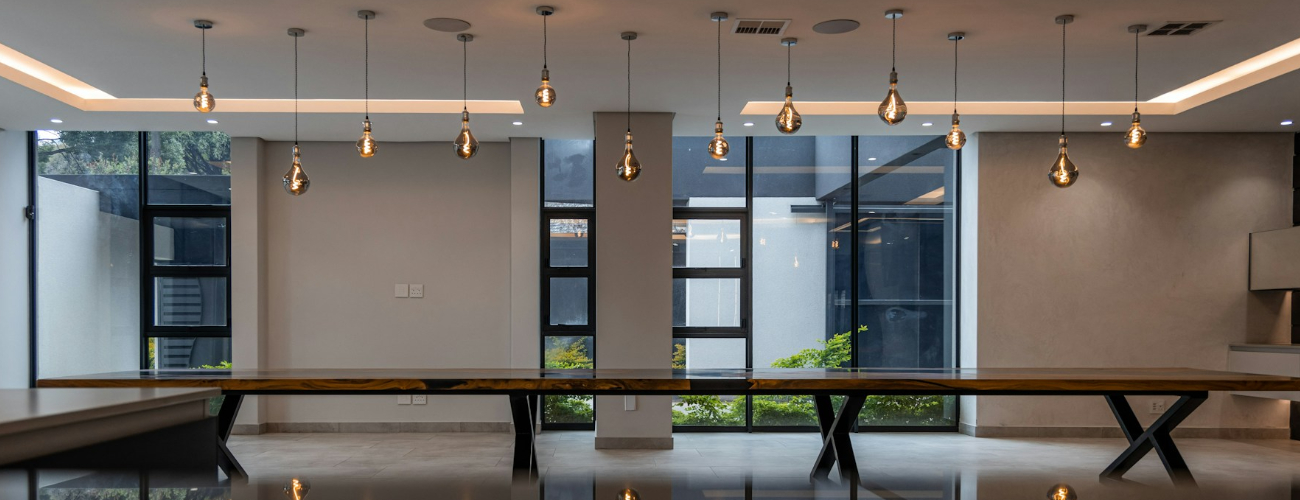
How to Choose the Right Lighting for Every Room
Lighting is one of the most important aspects of home design, yet it’s often overlooked. The right lighting can transform the look and feel of a room, making it functional, cozy, or energizing, depending on the space’s purpose. Whether you are renovating or simply upgrading your home, choosing the right lighting for every room can enhance both the aesthetic and the practicality of your living spaces. This guide will help you pick the perfect lighting solutions for each area of your home.
Living Room: Layered Lighting for Versatility
The living room is a multifunctional space where you relax, entertain guests, and spend time with family. A layered lighting approach works best here, combining ambient, task, and accent lighting to create a comfortable and flexible atmosphere.
- Ambient Lighting: This is your main source of light, and it should evenly illuminate the room. Ceiling fixtures like chandeliers, recessed lights, or pendant lights work well for ambient lighting.
- Task Lighting: Add floor lamps or table lamps near seating areas for reading or working on hobbies. Adjustable lamps give you more control over the brightness and direction of the light.
- Accent Lighting: Use wall sconces or spotlights to highlight artwork, bookshelves, or architectural features.
Pro Tip: Dimmable lights are perfect for living rooms, allowing you to adjust the brightness for different activities, from bright for socializing to soft for watching movies.
Kitchen: Bright and Functional Lighting
Kitchens require bright, focused lighting for cooking, cleaning, and preparing meals. Combining overhead lighting with task-specific lighting ensures that you have enough light in all the right places.
- Ambient Lighting: Use recessed ceiling lights or flush-mount fixtures to provide general illumination throughout the kitchen.
- Task Lighting: Install under-cabinet lights to brighten countertops and make food preparation easier. Pendant lights over kitchen islands add both style and functionality.
- Accent Lighting: Consider adding accent lighting inside glass-front cabinets or under the kitchen island to create a subtle glow that adds to the ambiance.
Pro Tip: Use cool white light for the kitchen, as it provides clarity and brightness, making tasks easier and safer.
Bedroom: Soft and Relaxing Lighting
In the bedroom, the focus should be on creating a calming environment that promotes relaxation and sleep. However, you’ll also need task lighting for reading or getting dressed.
- Ambient Lighting: Choose a central ceiling fixture, like a chandelier or a semi-flush mount, for overall illumination. Use warm, soft light to keep the mood relaxing.
- Task Lighting: Bedside lamps or wall-mounted reading lights are essential for nighttime reading or unwinding. Opt for lights with adjustable arms or dimmers for more control.
- Accent Lighting: Use subtle accent lights like string lights, recessed spots, or even dimmable LED strips around the headboard to create a cozy atmosphere.
Pro Tip: Avoid harsh, bright lighting in the bedroom. Soft, warm lighting can help set the mood for rest and relaxation.
Bathroom: Bright, Focused Lighting for Grooming
Bathrooms require bright, functional lighting, especially around the vanity for tasks like shaving or applying makeup.
- Ambient Lighting: Recessed ceiling lights or flush-mount fixtures provide general lighting throughout the bathroom.
- Task Lighting: Vanity lights are key. Install lights on either side of the mirror at eye level or above the mirror to minimize shadows on your face.
- Accent Lighting: Add softer lighting around the bathtub or shower area to create a relaxing spa-like atmosphere.
Pro Tip: Use bright, neutral white lighting in the bathroom for tasks that require clarity, but consider dimmable options for creating a soothing environment when you’re taking a bath.
Home Office: Bright and Energizing Lighting
A home office needs lighting that promotes productivity without causing eye strain. A combination of natural light and artificial lighting is ideal for this space.
- Ambient Lighting: Recessed lighting or overhead fixtures should provide even illumination across the entire workspace.
- Task Lighting: A bright, adjustable desk lamp is essential for focused tasks. Look for lamps with cool white light to help keep you alert and focused.
- Accent Lighting: Add soft accent lights, such as floor lamps or wall sconces, to fill in darker corners and balance the lighting in the room.
Pro Tip: Position your desk near a window to take advantage of natural light, but avoid placing it directly in front of a screen to reduce glare.
Hallways and Entryways: Bright and Welcoming Lighting
Hallways and entryways are transitional spaces that often require good lighting for both safety and aesthetics.
- Ambient Lighting: Use recessed or ceiling-mounted lights to provide overall illumination. Motion-sensor lights can be a practical solution for hallways.
- Accent Lighting: Wall sconces or small lamps placed on entryway tables can create a welcoming and stylish atmosphere.
Pro Tip: Ensure that entryway lighting is bright enough to create a good first impression, especially if it’s the first place guests will see.
Conclusion
Choosing the right lighting for every room is about finding a balance between functionality and style. By layering ambient, task, and accent lighting, you can create a versatile, comfortable, and aesthetically pleasing atmosphere in each room of your home. Whether you’re aiming for a cozy bedroom retreat or a bright, efficient kitchen, the right lighting will enhance both the look and functionality of your space.