

How to Choose the Right Insulation for Your Home Renovation
Choosing the right insulation is a critical part of any home renovation project. Insulation plays a key role in regulating temperature, reducing energy costs, and enhancing the overall comfort of your home. With so many types of insulation available, it can be overwhelming to decide which is best for your renovation needs. In this post, we’ll guide you through the different types of insulation and key factors to consider when choosing the right one for your home.
Why Insulation Matters
Insulation acts as a barrier between the inside and outside of your home, slowing down the transfer of heat. In colder months, it keeps heat inside your home, while in warmer months, it prevents heat from entering. Proper insulation helps maintain a consistent temperature throughout your home, reducing the workload on your heating and cooling systems. This leads to lower energy bills, increased energy efficiency, and a more comfortable living space.
Types of Insulation
There are several common types of insulation to choose from, each with its own benefits and ideal applications:
Fiberglass Insulation
Fiberglass insulation is one of the most popular choices for residential homes. It comes in rolls or batts and is typically installed in walls, attics, and floors. Fiberglass insulation is affordable, easy to install, and provides good thermal resistance (R-value). It’s also non-combustible and moisture-resistant, making it a versatile option for many home renovation projects.
Best for: Walls, attics, floors, and basements.
Spray Foam Insulation
Spray foam insulation is a more expensive option but offers superior insulation properties. It expands to fill gaps and cracks, providing an airtight seal. There are two types: open-cell spray foam, which is more flexible, and closed-cell spray foam, which is denser and more moisture-resistant. Spray foam insulation is ideal for hard-to-reach spaces and areas prone to air leaks.
Best for: Walls, attics, and hard-to-reach areas with air leaks.
Rigid Foam Insulation
Rigid foam insulation comes in panels and provides excellent thermal resistance. It is commonly used in exterior walls, foundations, and roofing. Rigid foam boards are lightweight, easy to handle, and resistant to moisture. This type of insulation is particularly effective in areas that need high R-value performance, such as exterior wall sheathing or basement walls.
Best for: Exterior walls, basements, and roofing.
Cellulose Insulation
Cellulose insulation is made from recycled paper products and is treated for fire resistance. It’s often blown into walls or attics using specialized equipment, making it a good option for retrofitting older homes. Cellulose has a lower environmental impact and is an excellent choice for those looking to use eco-friendly materials in their home renovation.Best for: Attics, walls, and eco-friendly projects.
Mineral Wool (Rock Wool) Insulation
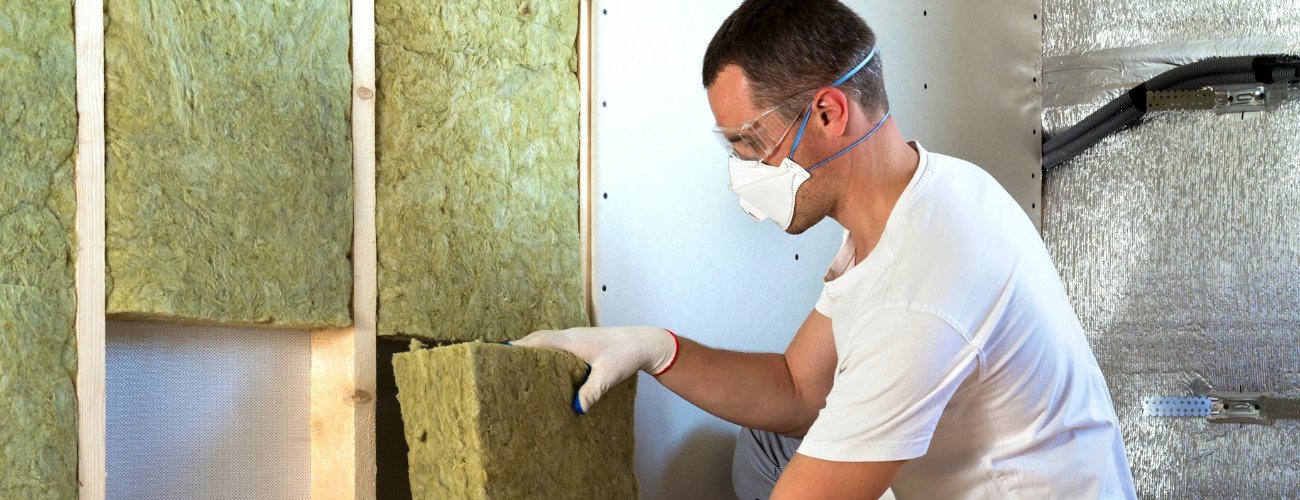
Mineral wool insulation is made from molten rock or industrial waste. It has a higher fire resistance than other types of insulation and is naturally moisture-resistant. Mineral wool comes in batts or loose-fill and is often used in areas where fire resistance is a key concern, such as around chimneys or in multi-story buildings.
Best for: Fire-prone areas, exterior walls, and attics.
Factors to Consider When Choosing Insulation
When selecting insulation for your home renovation, consider the following factors to ensure you choose the best option for your needs:
R-Value
The R-value measures the insulation’s ability to resist heat flow. The higher the R-value, the better the insulation’s performance. The required R-value depends on the climate in your area and the part of the home you are insulating. For example, attics typically require higher R-values than walls.
Climate
Your local climate plays a significant role in determining the type and amount of insulation you need. In colder regions, thicker insulation with higher R-values is necessary to retain heat. In warmer climates, insulation with lower R-values may be sufficient to prevent excess heat from entering your home.
Moisture Resistance
If you’re insulating areas prone to moisture, such as basements or exterior walls, moisture-resistant insulation is crucial. Materials like closed-cell spray foam or rigid foam insulation are good choices in these environments, as they prevent mold growth and moisture damage.
Installation Method
Consider how easy it is to install the insulation. Fiberglass batts and rolls are easier for DIY installation, while spray foam and blown-in cellulose require professional equipment and expertise. If you’re handling the installation yourself, choose a material that aligns with your skills and tools.
Budget
Insulation costs can vary widely depending on the material and the size of the project. Fiberglass tends to be the most budget-friendly option, while spray foam is typically more expensive. However, spray foam’s superior air-sealing properties may lead to greater energy savings in the long run.
Environmental Impact
If sustainability is a priority in your home renovation, consider eco-friendly insulation materials like cellulose or recycled denim. These materials reduce environmental waste and are often made from renewable resources.
Conclusion
Choosing the right insulation for your home renovation requires careful consideration of factors like R-value, climate, moisture resistance, and budget. Each type of insulation offers its own benefits, so it’s important to select the one that best suits your home’s specific needs. By making the right choice, you can improve your home’s energy efficiency, comfort, and long-term value. Whether you’re updating your attic, walls, or basement, proper insulation is a worthwhile investment that will pay off in both energy savings and comfort.