

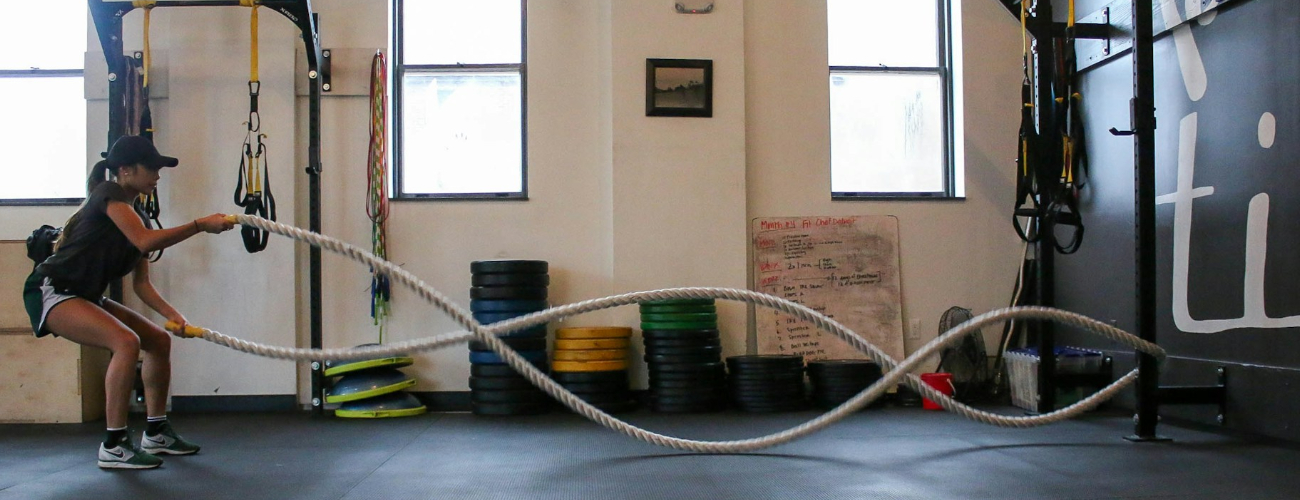
How to Build Your Own Home Gym
Creating a home gym is a fantastic way to ensure you stay fit and active, offering the convenience of working out on your own schedule without the commute or cost of a gym membership. Whether you have a spacious basement set aside for your gym or just a small corner of a room, you can design an effective workout space that meets your fitness needs. Here’s how to get started on building your own home gym.
Define Your Fitness Goals
Before purchasing equipment, consider what your fitness goals are. Are you looking to build muscle, increase cardiovascular endurance, improve flexibility, or all of the above? Your goals will dictate the type of equipment you need. For example, weight training requires different gear than yoga or Pilates.
Choose the Right Space
Identify a space in your home that is conducive to workouts. Ideal spaces are those that are ventilated, have enough room to move around safely, and are free of excessive distractions. Basements, spare bedrooms, or even garages can be transformed into a dedicated gym space. Ensure the floor is solid and level, and consider adding mirrors to help monitor your form during exercises.
Invest in Essential Equipment
Start with the basics and gradually add equipment as you go. For most, a set of dumbbells, a yoga mat, resistance bands, and a stability ball will suffice. These tools are versatile, don’t take up much space, and can support a wide range of exercises. If space allows, you might also consider a treadmill or a stationary bike for cardio workouts.
Consider Flooring Options
Proper flooring is crucial in a home gym. It protects your equipment, your home’s floors, and most importantly, your joints. Rubber mats or interlocking foam tiles are popular choices because they are durable, shock-absorbent, and easy to clean. They also help reduce noise, which can be beneficial if you live in an apartment or shared space.
Add Larger Equipment Gradually
As you expand your gym, consider larger pieces of equipment that match your fitness regimen. A weight bench, squat rack, or rowing machine can be excellent additions for a more varied workout. However, be mindful of your space and budget. Always measure your area before purchasing to ensure everything fits comfortably and safely.
Keep It Organized
Organization is key to maintaining a functional home gym. Use storage solutions like shelving units, racks for weights, and hooks for hanging mats or resistance bands. Keeping your space tidy not only makes workouts more efficient but also helps ensure safety.
Enhance Your Environment
The environment in your gym can significantly affect your motivation and endurance. Consider installing a sound system for music, which can be a great motivator during workouts. Good lighting is also critical; it not only helps in preventing injuries but also keeps you energized. You might also want to think about a fan or an air conditioner to keep the space cool.
Stay Safe
Always prioritize safety. Make sure your equipment is set up correctly and regularly maintained. Have a first aid kit accessible and know your limits when working out alone. It might be helpful to have a workout buddy or plan regular checks-ins with a trainer to ensure you’re using correct form and technique.
Incorporate Technology
Technology can enhance your workout experience and help you track your progress. Consider using fitness apps that guide workouts, track calories burned, and monitor your heart rate. Smartwatches and fitness trackers can also be great tools to enhance your training.
Conclusion
Building your own home gym is a rewarding project that can significantly enhance your fitness journey. By carefully planning your space, investing in the right equipment, and creating a motivating environment, you can build a gym that not only meets your fitness goals but also inspires you to maintain a healthy lifestyle. Remember, the best home gym is the one that you actually use, so make it inviting and effective for your personal needs.