

How to Blend an Attic Design with the Rest of the Home
When transforming an attic into a livable space, one of the biggest design challenges is making it feel connected to the rest of the house. A well-renovated attic should not look like an isolated addition but rather an organic extension of your home’s overall design. Whether you’re converting your attic into a bedroom, home office, or studio, maintaining visual and architectural harmony will create a smoother, more cohesive flow throughout your space. Here’s how to successfully blend your attic design with the rest of your home.
Start with a Unified Color Palette
The easiest way to connect your attic with the rest of the home is through color consistency. Choose shades that complement your existing walls, floors, and furnishings. If your home features warm neutrals or earth tones, continue those hues upstairs to maintain continuity. For a more modern home, soft grays, whites, and cool undertones can extend that sleek aesthetic. You don’t have to match every color exactly — instead, pick two or three tones from your home’s palette and use them as the foundation for the attic’s design. Adding accent colors through textiles or art can help tie the look together without feeling repetitive.
Continue the Flooring Theme
Flooring plays a major role in creating a seamless transition between levels. If your main floors feature hardwood or laminate, try to use a similar material in the attic. Matching or closely coordinating floor finishes helps the eye flow naturally from one space to another. For older homes with unique character, refinishing existing attic floors to match the rest of the house can enhance the sense of authenticity. If using carpet or vinyl, choose textures and tones that complement your existing floors to avoid a disjointed appearance.
Align Architectural Details
Architectural features such as trim, molding, doors, and windows define a home’s character. Extending those same details into the attic unifies the entire design. For instance, if your home has craftsman-style moldings or paneled doors, continue those patterns upstairs. In a modern home, maintain minimalist baseboards and streamlined window frames for consistency. Even small details, like matching door handles or light switch plates, contribute to a polished, cohesive look. Keeping architectural elements consistent ensures that the attic feels like a natural continuation rather than a separate unit.
Match the Lighting Style
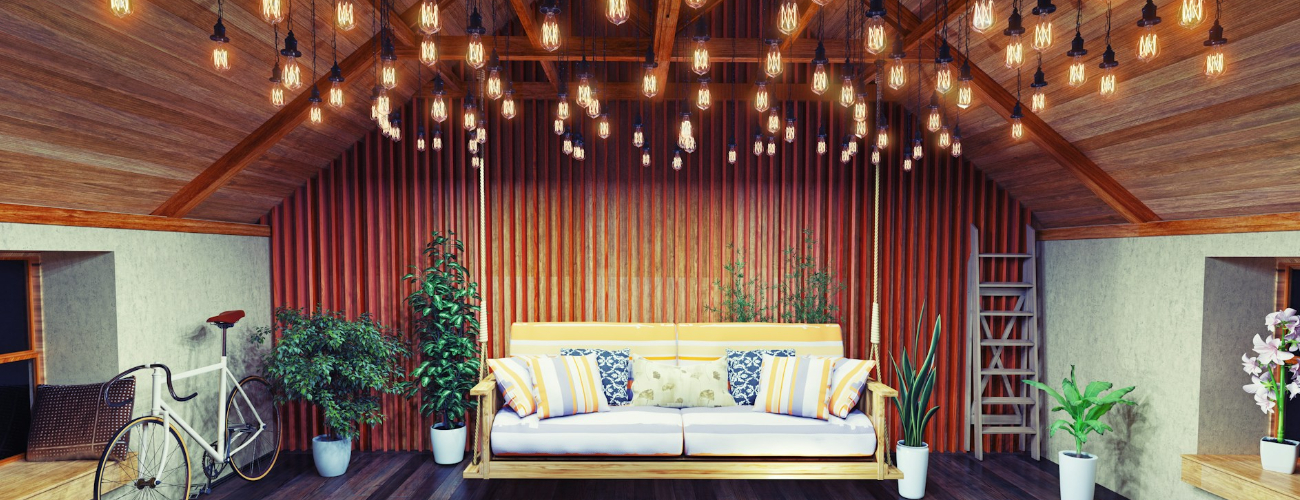
Lighting has the power to transform a room’s mood, so it’s important to match the style and tone of your home’s lighting throughout. If your home features recessed lights or modern fixtures, consider using similar designs in the attic. For a more traditional home, opt for wall sconces or pendant lights with classic finishes like brushed bronze or antique brass. Additionally, make use of skylights or dormer windows to bring in natural light that mirrors the openness of the lower levels. A well-balanced lighting plan helps connect the attic both visually and atmospherically.
Incorporate Similar Furnishing Styles
Your furniture choices should reflect the design identity of your home. If your living areas feature mid-century modern or contemporary pieces, continue that aesthetic in the attic with clean lines and functional designs. In a traditional home, incorporate soft fabrics, wood tones, and classic silhouettes. Even if the attic serves a different function — such as a study or guest suite — maintaining the same design language ensures stylistic unity. Using similar textiles, patterns, or decorative accents reinforces the connection between spaces.
Balance Personality and Consistency
While consistency is key, your attic can still have its own personality. Think of it as a reflection of the rest of your home but with a purpose-driven twist. For example, if your main living areas are bright and neutral, you might add a cozy accent color or unique light fixture in the attic to make it distinct yet cohesive. The key is balance — blending new ideas with the established aesthetic of your home to create harmony rather than contrast.
Final Thoughts
Blending your attic design with the rest of your home is about creating a sense of flow and familiarity. Consistent colors, matching materials, coordinated lighting, and aligned architectural details all work together to achieve that seamless connection. When executed thoughtfully, the attic feels less like an addition and more like a continuation of your living environment. Whether your style is modern, traditional, or transitional, a well-integrated attic enhances your home’s comfort, visual appeal, and overall value — turning an often-overlooked space into a natural, beautiful part of everyday living.