

Expert Tips for Installing Ceilings
Ceiling installation is a crucial aspect of home improvement that can significantly impact the aesthetic and functional qualities of a space. Whether you’re aiming to add a touch of elegance with a decorative ceiling or improve acoustics and insulation, proper installation is key. Here are some expert tips to help you achieve a flawless ceiling installation.
Plan Thoroughly Before Starting
The first step to a successful ceiling installation is thorough planning. Assess the space and decide on the type of ceiling you want to install. There are various options to consider, such as drywall ceilings, suspended ceilings, coffered ceilings, or decorative ceiling tiles. Each type has its own installation requirements and benefits. Make sure to measure the area accurately and plan for any lighting, ventilation, or fixtures that will need to be integrated into the ceiling.
Gather the Right Tools and Materials
Having the right tools and materials is essential for a smooth installation process. Basic tools you’ll need include a tape measure, level, utility knife, power drill, screw gun, and a drywall saw. For suspended ceilings, you may need additional tools like a laser level and wire cutters. Ensure you have all the necessary materials such as ceiling panels or drywall sheets, furring strips or ceiling grid, screws, anchors, and joint compound.
Prepare the Surface
Before starting the installation, prepare the surface to ensure it is clean and level. For drywall ceilings, inspect the joists and repair any damages. If you’re installing a suspended ceiling, make sure the existing ceiling is stable and can support the weight of the new ceiling system. It’s also a good idea to mark the joist locations on the walls to make it easier to secure the ceiling material.
Follow Safety Precautions
Safety should always be a priority during any home improvement project. When installing ceilings, make sure to wear appropriate protective gear such as safety goggles, gloves, and a dust mask. Use sturdy ladders or scaffolding to reach high areas and ensure they are placed on a stable surface. If you’re working with heavy materials, consider having a helper to assist you with lifting and positioning.
Install Furring Strips or Ceiling Grid
For drywall ceilings, installing furring strips can provide additional support and ensure a level surface. Attach the furring strips perpendicular to the ceiling joists, spacing them evenly across the ceiling. For suspended ceilings, begin by installing the perimeter track around the room. Use a laser level to ensure the track is level, then hang the main runners and cross tees to form the grid system. Ensure the grid is square and properly aligned.
Secure the Ceiling Panels
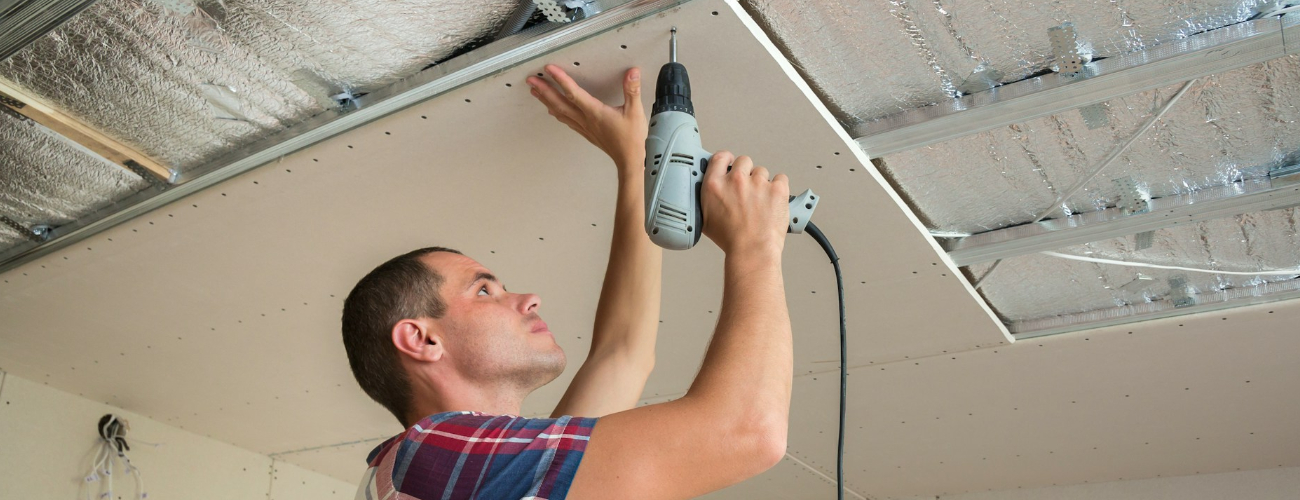
When installing drywall, lift the panels into place and secure them to the joists or furring strips using drywall screws. Start in one corner of the room and work your way across, ensuring each panel is flush and secure before moving on to the next. For suspended ceilings, lay the ceiling panels into the grid, starting at one corner and working your way out. Cut any panels as needed to fit around fixtures or at the edges of the room.
Finish the Seams and Joints
For drywall ceilings, finishing the seams and joints is crucial for a smooth and polished look. Apply joint tape over the seams and cover with joint compound. Use a putty knife to smooth out the compound and feather the edges. Allow the compound to dry, then sand it smooth. Repeat the process for a second coat if needed. For suspended ceilings, ensure all panels are properly seated in the grid and make any necessary adjustments for a seamless finish.
Add the Final Touches
Once the ceiling is installed, add any final touches to complete the project. This may include installing trim or molding around the edges, painting the ceiling, or adding decorative elements like ceiling medallions or tiles. If you have installed lighting or ventilation fixtures, make sure they are securely mounted and properly connected.
Conclusion
Installing a ceiling can be a rewarding project that enhances the beauty and functionality of your space. By planning thoroughly, using the right tools and materials, and following expert tips, you can achieve a professional-quality installation. Whether you’re updating an existing ceiling or creating a new design, attention to detail and careful execution will ensure a successful outcome. With these expert tips, you’ll be well on your way to transforming your space with a stunning new ceiling.