

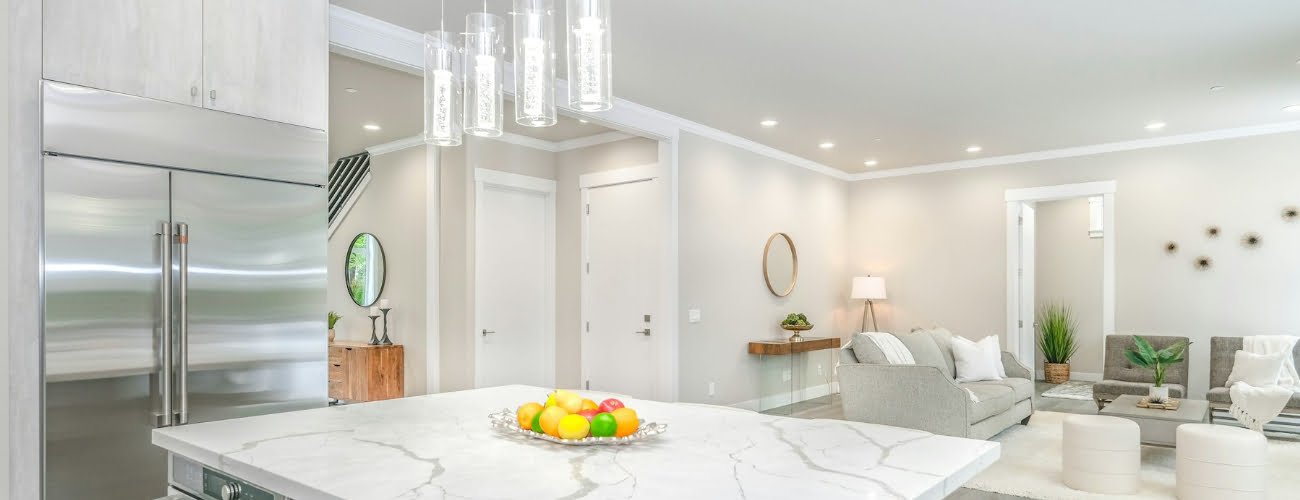
Everything About the Minimalist Lighting Trend
Minimalist lighting has become a hallmark of contemporary interior design, cherished for its simplicity, functionality, and subtle elegance. This design philosophy strips down lighting to its essence, removing any superfluous elements to focus on form and light quality itself. As more people embrace minimalism in their homes and workplaces, understanding the nuances of minimalist lighting can help you effectively incorporate this trend into your space. Here’s an in-depth look at the minimalist lighting trend, covering its principles, popular types, and tips for implementation.
Principles of Minimalist Lighting
The core principles of minimalist lighting are simplicity, functionality, and a focus on space. The idea is not just to illuminate a room but to enhance its aesthetic and mood through strategic simplicity. Key principles include:
- Simplicity in Design: Minimalist lighting fixtures often feature clean lines, geometric shapes, and a lack of decorative embellishments. The materials typically used, such as metal, glass, or high-quality plastics, reflect a sleek and modern look.
- Functionality: Every element of a minimalist light fixture is functional. These fixtures are designed to offer the best lighting for a space without distracting from the overall room design.
- Integration with Space: Minimalist lighting is intended to complement a space rather than dominate it. Fixtures are often built into the structure of the room, such as recessed lights or track lighting that blends seamlessly with the ceiling.
Popular Types of Minimalist Lighting Fixtures
- Pendant Lights: Minimalist pendant lights are characterized by their simple, often spherical or linear forms. Hung over dining tables or kitchen islands, they offer precise lighting that draws attention without overwhelming the space.
- Recessed Lighting: These are perhaps the epitome of minimalist lighting. Installed into ceilings, they provide a clean look that is almost invisible when not turned on.
- Track Lighting: Flexible and understated, track lighting allows you to position multiple light sources along a single track, which can be adjusted as needed. This is ideal for galleries or areas requiring adaptable lighting.
- LED Strips: LED strip lighting can be hidden under cabinets, along edges, or behind elements of furniture, providing essential illumination while maintaining a minimalist aesthetic.
- Table and Floor Lamps: Minimalist table and floor lamps often feature a slim profile and lack ornate detailing, focusing on the balance of the structure and the quality of light.
Colors and Materials
Color palettes in minimalist lighting are typically monochromatic, featuring whites, blacks, and metallic tones. Materials are chosen for their ability to reflect light or blend into the overall design. Brushed aluminum, steel, and matte finishes are common, providing durability and a sleek appearance.
Integrating Minimalist Lighting into Your Decor
- Assess the Function of Each Room: Before selecting lighting, consider what each room is used for. A minimalist approach often involves using as few fixtures as possible while ensuring each area is adequately lit.
- Focus on Quality Over Quantity: Opt for fewer, higher-quality fixtures rather than filling the space with multiple sources of light. This not only adheres to minimalist principles but also creates a more striking impact.
- Use Lighting for Zoning: In open-plan spaces, lighting can help delineate different areas without the need for physical dividers. For example, pendant lights can indicate a dining area, while soft recessed lights might highlight a living area.
- Consider Smart Lighting: Embrace modern technology with smart lights that can be controlled via smartphone apps or voice commands. This adds an element of functionality and ensures that lighting is always optimized for time of day and activity.
Conclusion
Minimalist lighting isn’t just about choosing the right fixtures; it’s about a philosophy of “less is more.” It requires thoughtful consideration of space, functionality, and design coherence. With the right approach, minimalist lighting can transform any space into a serene, efficient, and aesthetically pleasing environment. Whether renovating a home or updating a workspace, embracing the minimalist lighting trend can lead to a cleaner, more modern, and cohesive design.