

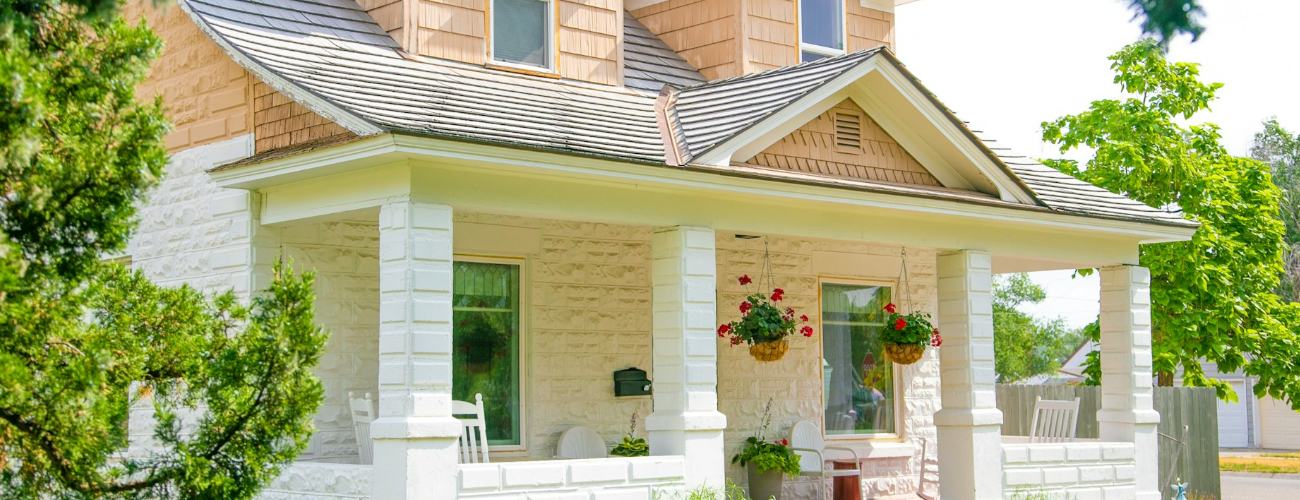
Eco-Friendly Exterior Renovations: Sustainable Materials and Practices
As environmental awareness increases, more homeowners are looking to incorporate sustainability into their home renovation projects. Eco-friendly exterior renovations not only help reduce the environmental impact but also offer long-term savings and enhance the overall value of a property. This comprehensive blog post explores the various sustainable materials and practices that can be employed in exterior renovations, providing homeowners with the knowledge to make informed, environmentally responsible decisions.
Benefits of Eco-Friendly Renovations
Eco-friendly renovations bring several advantages, including reduced energy costs, minimized environmental footprint, and improved indoor air quality. These projects often involve materials and techniques that are durable, require less maintenance, and are better for the health of the occupants and the planet.
Sustainable Materials for Exterior Renovations
Choosing the right materials is crucial for ensuring the sustainability of your exterior renovations. Here are some of the most environmentally friendly options:
- Recycled or Reclaimed Wood: Wood is a timeless material for exterior finishes, but it can be resource-intensive to produce. Using recycled or reclaimed wood not only prevents deforestation but also gives a unique aesthetic appeal to your home. This wood can be used for siding, decking, and trim, providing a rustic and warm appearance.
- Composite Decking: Made from a blend of wood fibers and recycled plastics, composite decking is a durable and eco-friendly alternative to traditional wood decking. It resists rot, warping, and insect damage, and it doesn’t require the chemical treatments that traditional wood does.
- Fiber Cement Siding: This material is made from cement, sand, and cellulose fibers. Fiber cement siding is extremely durable and offers a similar look to wood siding but with greater resistance to fire, termites, and rot. It also has a long lifespan, which reduces the need for frequent replacements.
- Recycled Metal Roofing: Metal roofing is one of the most sustainable choices available. It is durable, fire-resistant, and fully recyclable at the end of its life. Additionally, metal roofs reflect solar radiant heat, which can help reduce cooling costs.
- Green Roofs: Installing a green roof involves covering your roof with vegetation, which helps insulate your home, reduce stormwater runoff, and lower urban heat islands. Green roofs also extend the lifespan of roofing materials by protecting them from the elements.
- Low-Emissivity (Low-E) Windows: These windows have a coating that reflects infrared light, keeping heat inside in the winter and outside in the summer. They also protect against UV rays, preventing your furnishings from fading.
Best Practices for Eco-Friendly Exterior Renovations
Implementing eco-friendly practices during the renovation process is just as important as choosing the right materials. Here are some best practices to consider:
- Energy Efficiency: Focus on upgrades that improve energy efficiency. This could mean adding additional insulation to your walls and attic, installing energy-efficient windows, or upgrading to a smart thermostat.
- Water Conservation: Consider installing a rainwater harvesting system to collect and use rainwater for irrigation or other non-potable uses. Also, choose landscaping that requires low water usage, commonly known as xeriscaping.
- Quality and Durability: Opting for high-quality, durable materials might have a higher upfront cost but they last longer, reducing the frequency of replacements and repairs which is beneficial both economically and environmentally.
- Proper Waste Management: During renovation, ensure that waste materials are properly sorted and sent to recycling centers instead of landfills. Aim to reuse materials wherever possible.
- Hiring Eco-Friendly Contractors: Work with contractors who specialize in green building practices. These professionals will be more knowledgeable about sustainable materials and practices and can help guide your renovation to be as eco-friendly as possible.
Conclusion
Eco-friendly exterior renovations are an excellent way for homeowners to contribute to environmental conservation while enhancing their living space. By choosing sustainable materials and employing green construction practices, you can significantly reduce your ecological footprint, increase your home’s efficiency, and create a healthier environment for yourself and your community. These sustainable choices are not just good for the planet—they’re also beneficial for your wallet and your wellbeing.