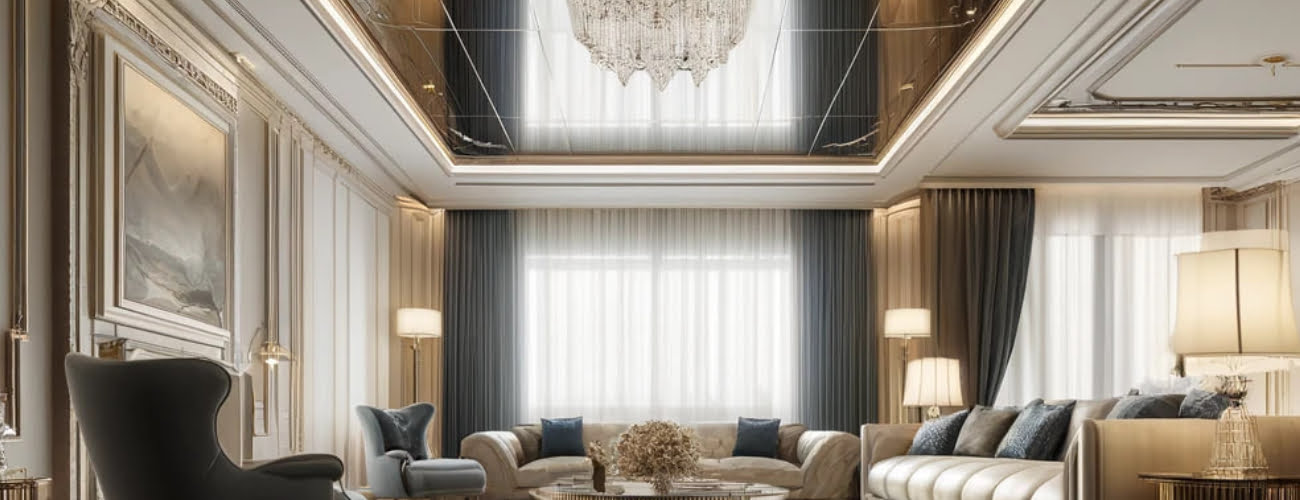
Different Types of Stretch Ceilings
Stretch ceilings have emerged as a popular choice in modern interior design due to their versatility, durability, and aesthetic appeal. These ceilings use a flexible membrane, typically made from PVC (Polyvinyl Chloride) or polyester, which is stretched and secured to a perimeter track. This technology offers a seamless and clean finish that can transform any space. In this post, we explore the different types of stretch ceilings available, their benefits, and how they can be incorporated into various design schemes to enhance both residential and commercial interiors.
PVC Stretch Ceilings
PVC stretch ceilings are among the most common types. The material is waterproof, fire-resistant, and available in a wide range of colors and finishes including matte, glossy, satin, and translucent. Glossy finishes are particularly popular for their ability to reflect light and give the illusion of depth, making small rooms appear larger.
Benefits:
- Water-resistant and suitable for wet environments like bathrooms and kitchens.
- Fire safety compliance, offering peace of mind in commercial settings.
- Easy to clean and maintain.
Fabric Stretch Ceilings
Fabric-based stretch ceilings use a woven material, typically polyester, which is coated with a polyurethane layer. Unlike PVC, fabric stretch ceilings offer a more textured appearance and do not reflect light as much, lending a softer aesthetic to the room.
Benefits:
- Provides a more natural fabric appearance, ideal for living rooms or bedrooms.
- Completely recyclable, appealing to environmentally conscious designers and homeowners.
- Does not require heating for installation, making it quicker and safer to install.
Printed Stretch Ceilings
With advancements in printing technology, custom designs can now be printed on both PVC and fabric stretch ceilings. This option allows for limitless creativity, enabling designers to include bespoke artwork, photographic images, or patterns directly onto the ceiling surface.
Benefits:
- Customization to fit any decor theme or branding requirement.
- Ideal for commercial use in hotels, offices, or retail environments.
- Allows for personalization in residential settings, creating unique room atmospheres.
Acoustic Stretch Ceilings
These ceilings are designed with sound absorption qualities that help reduce noise levels in a room. The membrane is microperforated to allow sound waves to pass through and be absorbed by insulating material above.
Benefits:
- Enhances acoustic comfort in noisy environments such as open-plan offices or restaurants.
- Combines functionality with aesthetic flexibility, maintaining style without compromising on sound quality.
3D and Light Integrated Stretch Ceilings
For those seeking an ultra-modern look, 3D shapes and integrated lighting can be incorporated into stretch ceilings. This involves using special framing to create shapes like waves, domes, or other geometric patterns, often combined with LED lighting.
Benefits:
- Architectural freedom to create visually striking designs.
- Integrated lighting offers both ambiance and practical illumination.
- Perfect for creating focal points in large spaces like lobbies or conference rooms.
Conclusion
Stretch ceilings offer a revolutionary way to approach ceiling design, combining aesthetics with practical benefits like moisture resistance, soundproofing, and ease of maintenance. Whether you’re looking to install a new ceiling in a commercial project or want to revamp your home’s interior, there’s a stretch ceiling solution that can meet your needs. By understanding the different types available and their specific benefits, you can make an informed decision that enhances both the functionality and the visual appeal of your space.